Cookie settings
We use our own and third-party cookies in order to offer our services, display videos, obtain statistics and offer personalized advertising.
For more information, please read our cookies policy.
It was built by the emir Abd al-Rahman I on the ruins of the Gothic church of Saint Vincent. It has a total surface of 23,400 square meters. It is rectangular and follows the design of the primitive mosque of Al-Acqsa in Jerusalem and the Damasco´ s one, due to the use of horseshoe arches. It is supposed to be oriented to the south following the tradition of the mosques of the Omeya Dinasty in Syria.
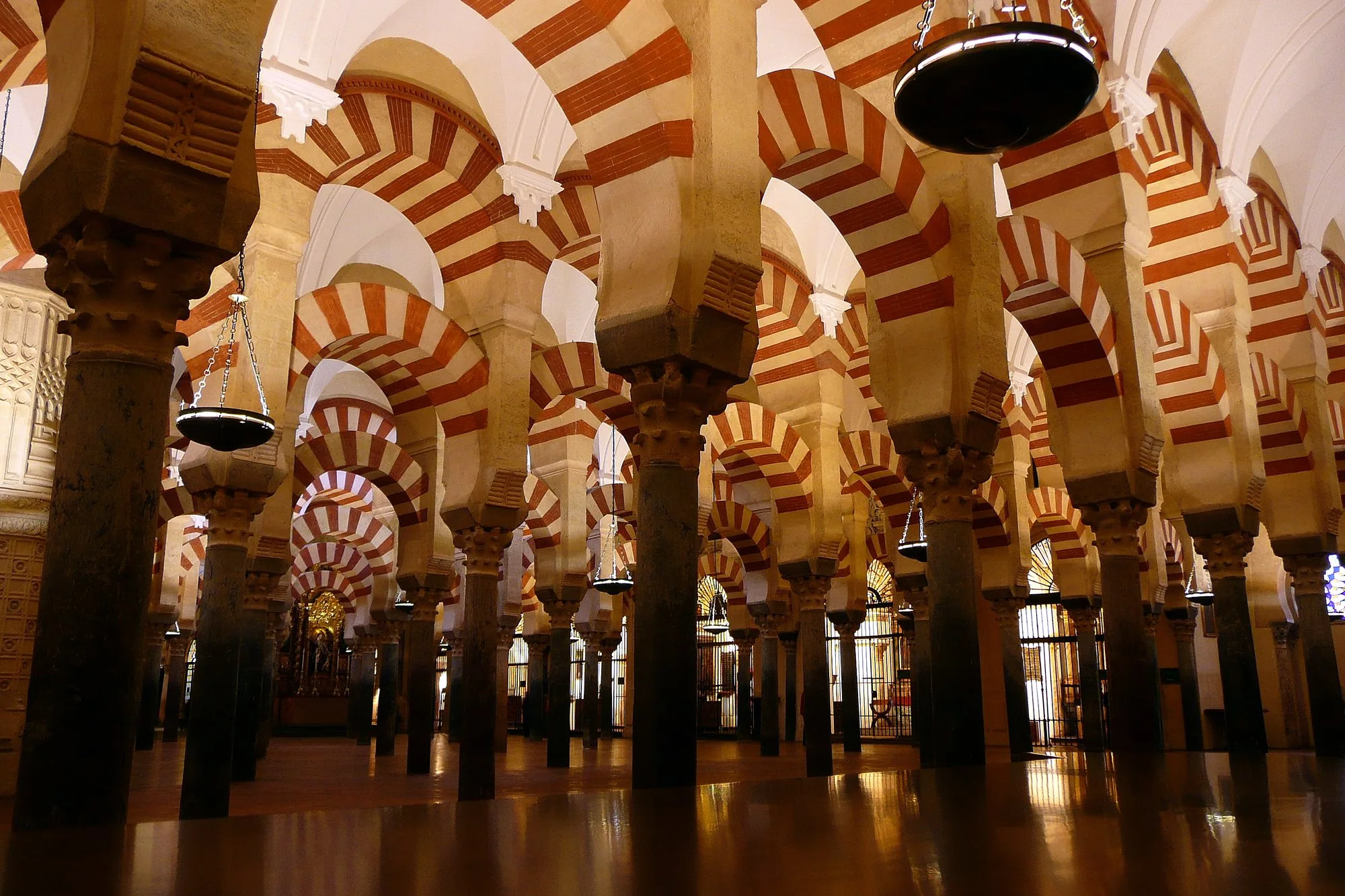
The result was a mosque with 8 naves that are perpendicular to the wall of the quibla. These naves have twelve stretches that are leaned on 110 columns from different styles such as Roman, Paleochristian, Byzantine…, that support painted horseshoe arches and pillars. To solve the problem of the height and to get more lighting, two types of arches are superposed: the lower arches are horseshoe arches, acting like ties, and the upper arches are round arches that support the walls and the ceiling, creating an original complex of arches with white ashlar and red brick.
The mosque has a Minaret (tower), the Sahn (patio de los naranjos), and the Haram (Oratory that has the Cathedral, the Mihrab, and the wall of the quibla inside). It has the main nave in its centre which is wider than the rest of the naves and where you can see the Mihrab that was covered with mosaics given by the emperor of Bizancio in front of you.
The different enlargements that the mosque undergoes during this period permit analyze the evolution of the Cordobes art.
In 833 Abd al-Rahman II made the first enlargement pulling the wall of the quibla down to the South. Later the caliph Abd al Rahman III enlarged the courtyard to the North and built the minaret. In 961 Al- Hakam II added to 12 stretches, a mihrab decorated with marble and the octagonal dome of entwined arches of the quibla. And in 987, Almanzor made the third enlargement to the East. The blue marble columns with composed capitals and the red brown marble columns with Corinthian capitals come from this period.
The lower columns are a weak support, but they give more visibility. The pillar superposition gives more height. The shafts are made of marble and granite and some of them have vertical or in spiral grooves. A cincture has been sculpted in the shaft body. The capitals are composed, follow the Corinthian order and are made of white marble.
After the Christian conquest, in 1523, Hernán Ruíz el Viejo built the Renaissance cathedral. The construction took 234 years, so firstly, the Gothic style is used and then the Renaissance and Barroque styles are added. It has a Latin cross plan, a Plateresque decoration and a Renaissance dome. Inside of it, the main altarpiece, the chorus´ s set of chairs and the cathedral´ s treasure are important.

If you are in Granada and want to visit anodher place nearby that has a great historical and cultural heritage, come and discover Cordoba in 1 day. The tour includes transport, local official guide, entrance ticket to the Mosque, and lunch option.
This is an indispensable and perfect Day Trip for your holidays in Andalusia.
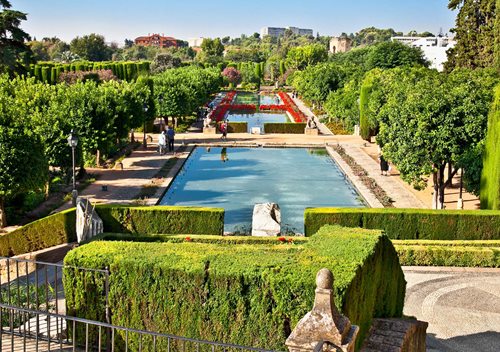
Three essential monuments of Cordoba are the Mosque-Cathedral, the Alcázar of the Christian Kings, and its Jewish Quarter. We propose you a waking tour to know these wonders of the Historical Quarter of Córdoba.
With the complete guided tour: Jewish Quarter + Alcázar + Mosque-Cathedral, you will discover all the historical and artistic details of these emblematic places.
If you book this tour, you will access to a lot of monuments: Mudejar Chapel of San Bartolomé, Synagogue, Califales Baths, Alcázar, Mosque-Cathedral.
Make the most of your stay in Cordoba!
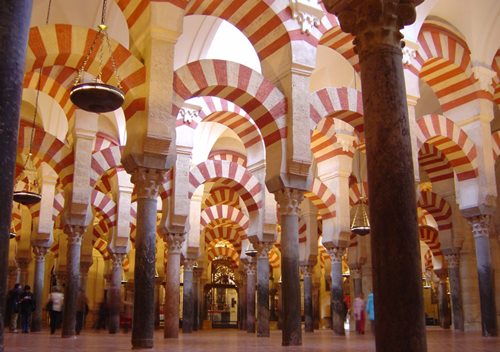
In your trip to Córdoba, you can’t miss a guided visit to the Mosque-Cathedral. This is the temple of the capital of the ancient caliphate of Cordoba. This Mosque was the largest Muslim culture in the Occident.
The best way to discover this monument, is visiting it along with an expert official local guide, who will explain you all the historical and artistic details of this unique place declared World Heritage Site by UNESCO.
The ticket is included.
Three essential monuments of Cordoba are the Mosque-Cathedral, the Alcázar of the Christian Kings, and its Jewish Quarter. We propose you a waking tour to know these wonders of the Historical Quarter of Córdoba.
With the complete guided tour: Jewish Quarter + Alcázar + Mosque-Cathedral, you will discover all the historical and artistic details of these emblematic places.
If you book this tour, you will access to a lot of monuments: Mudejar Chapel of San Bartolomé, Synagogue, Califales Baths, Alcázar, Mosque-Cathedral.
Make the most of your stay in Cordoba!
Address and telephone
Opening times
Prices
If you see any mistakes or want to add anything to this information, please contact us.
If you are in Granada and want to visit anodher place nearby that has a great historical and cultural heritage, come and discover Cordoba in 1 day. The tour includes transport, local official guide, entrance ticket to the Mosque, and lunch option.
This is an indispensable and perfect Day Trip for your holidays in Andalusia.
Three essential monuments of Cordoba are the Mosque-Cathedral, the Alcázar of the Christian Kings, and its Jewish Quarter. We propose you a waking tour to know these wonders of the Historical Quarter of Córdoba.
With the complete guided tour: Jewish Quarter + Alcázar + Mosque-Cathedral, you will discover all the historical and artistic details of these emblematic places.
If you book this tour, you will access to a lot of monuments: Mudejar Chapel of San Bartolomé, Synagogue, Califales Baths, Alcázar, Mosque-Cathedral.
Make the most of your stay in Cordoba!
In your trip to Córdoba, you can’t miss a guided visit to the Mosque-Cathedral. This is the temple of the capital of the ancient caliphate of Cordoba. This Mosque was the largest Muslim culture in the Occident.
The best way to discover this monument, is visiting it along with an expert official local guide, who will explain you all the historical and artistic details of this unique place declared World Heritage Site by UNESCO.
The ticket is included.
Three essential monuments of Cordoba are the Mosque-Cathedral, the Alcázar of the Christian Kings, and its Jewish Quarter. We propose you a waking tour to know these wonders of the Historical Quarter of Córdoba.
With the complete guided tour: Jewish Quarter + Alcázar + Mosque-Cathedral, you will discover all the historical and artistic details of these emblematic places.
If you book this tour, you will access to a lot of monuments: Mudejar Chapel of San Bartolomé, Synagogue, Califales Baths, Alcázar, Mosque-Cathedral.
Make the most of your stay in Cordoba!
In your trip to Córdoba, you can’t miss a guided visit to the Mosque-Cathedral. This is the temple of the capital of the ancient caliphate of Cordoba. This Mosque was the largest Muslim culture in the Occident.
The best way to discover this monument, is visiting it along with an expert official local guide, who will explain you all the historical and artistic details of this unique place declared World Heritage Site by UNESCO.
The ticket is included.

If you do not know the historic center of Córdoba and its main heritage sites, do not miss this tour.
With the company of historians, you will contemplate every corner of the Alcázar of the Christian Monarch, where even the Catholic Kings (Isabel and Fernando) came to live. You will enter the old Jewish quarter, including its Synagogue. Of course, you will visit the symbol of the city, the Mosque-Cathedral.
The reservation includes the price of tickets and the guided tour. Do not miss the opportunity and discover Córdoba in depth.
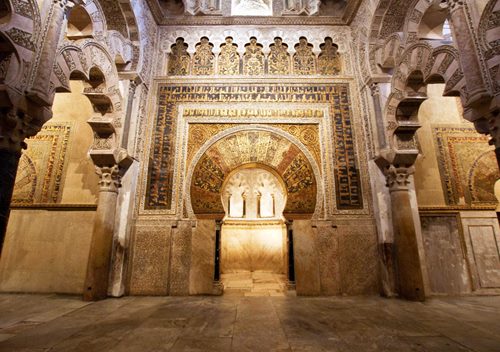
Delve into the incredible Mosque-Cathedral of Córdoba with the company of historian tour guides. They will take you on an incredible journey through time. In addition, you will complete the experience walking through the narrow streets of the Jewish quarter, where you will see by first-hand the Synagogue, the Monument to Maimonides and the Souk.
Tickets are included in the tour. Make your reservation and enjoy delight yourself with the historical wonders of Córdoba.
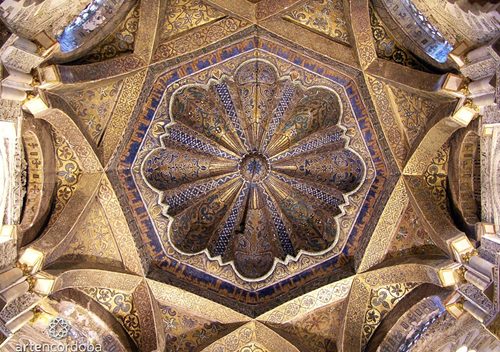
If you have to choose an essential monument to learn about the history and culture of Córdoba, that is the Mosque-Cathedral. But, you can discover better this wonderful "forest" of columns and arches accompanied by a tour guide. You will follow the itinerary in chronological order: since it was the ancient Visigoth basilica of San Vicente to the current cathedral, going through the different construction phases of the mosque.
You will fall in love with this beautiful construction which unites Islamic and Christian religious architecture in great harmony. You will understand why UNESCO declared it a World Heritage Site. Make your reservation and immerse yourself in the Mosque-Cathedral of Córdoba. Don't even worry about tickets. They are included!

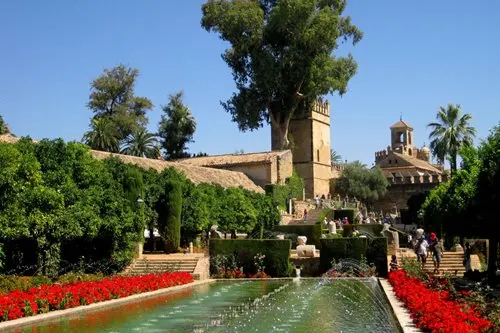
Delve into one of the most important monuments of Córdoba: the Alcázar of the Christian Monarchs. Do it with a historian guide.
It will reveal to you incredible secrets of this place built on the old Umayyad fortress, which was the home of the Catholic Kings. You will learn how the first royal reception of the discoverer Christopher Columbus took place here and other outstanding events in the history of Spain.
Make a trip back the time walking throught its enchanting palatial halls and gardens. The entrance is included in the tour, do not miss it!
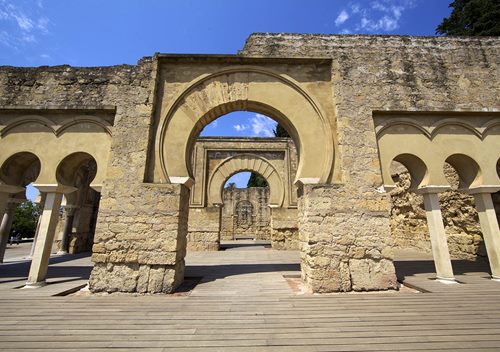
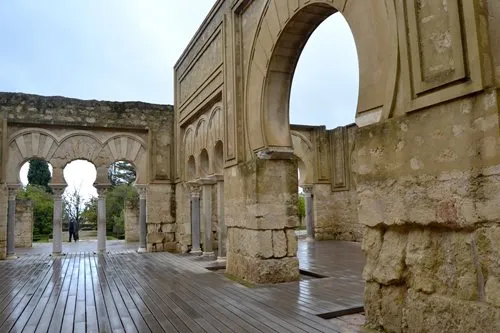
An essential place to learn about the Caliphal past of Córdoba is its center of power, Medina Azahara. This is an Archaeological Ensemble that brings to light an impressive palatine city, which shows the glorious past of the reign of Abd al-Rahman III.
Discover it with historian and archaeologist guides. You will imagine "in situ" what the beautiful palatial rooms of Medina Azahara were like. You will visit the Interpretation Center, where you will see unique pieces found in this very special enclave. In your reservation you can choose the transport from Córdoba, or go to the meeting point with the guide at the same site.
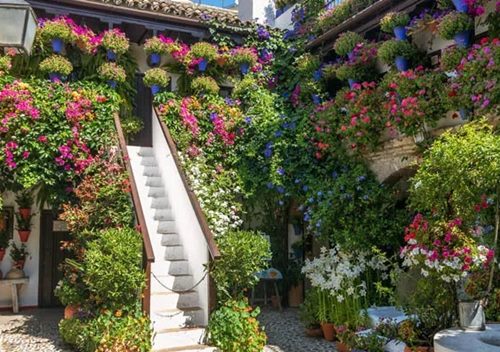
Get to know up close what the popular Cordovan patios are like. You will be accompanied by an expert historian guide. You will visit these charming domestic spaces, while you meet their owners who will tell you stories about their patios and their care.
This visit is visit full of tradition and authentically Cordovan culture in the historic center.

Delve into the Arab and Jewish past of Córdoba with this guided tour. You will visit the spectacular Mosque-Cathedral, knowing all its Muslim history until it became a Catholic Cathedral.
You will walk through the charming streets of the Jewish Quarter, discovering corners such as the Souk and visiting the Synagogue. You will enjoy the company of an official tour guide, who will reveal the history of this multicultural city during the Middle Ages.
The tour includes entrance tickets to the Mosque-Cathedral and Synagogue.

One of the most demanded routes in Córdoba, in addition to its Monuments, is through its "patios" in the San Basilio neighborhood.
Enjoy these charming corners in the historic center of the Córdoba city, full of colorful flowers and centuries-old Andalusian tradition. Do it with this guided tour, which includes an official guide and tickets to 6 spectacular courtyards.
You can reserve and enjoy it at any time of the year (except July and August).
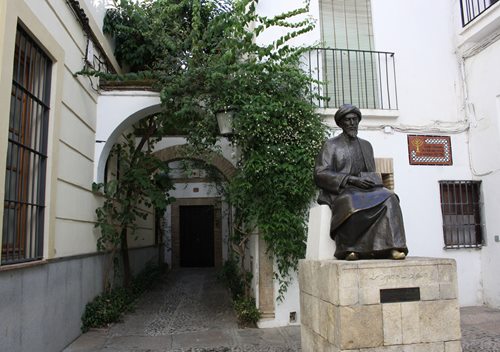
Let yourself be seduced by the most authentic Cordoba on this guided tour. You'll discover the old Jewish quarter in the city's historic centre, declared a World Heritage Site by UNESCO.
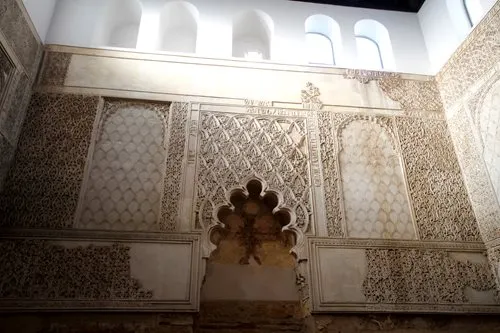
You'll marvel at one of the best-preserved synagogues in Spain. And you'll be accompanied by an official tourist guide.
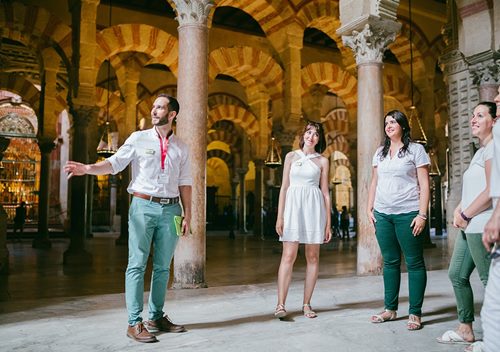
If there are three sites that symbolize the city of Córdoba, they are undoubtedly its Jewish Quarter, its Alcázar, and its Mosque-Cathedral. With this combined tour, you will visit all three monumental sites in detail, as you will be accompanied by a guide on a tour lasting more than three hours. Moreover, you don't have to worry about entrance fees because their price is included in the tour, and the guide will take care of everything.
All you have to do is make your reservation and enjoy the route.
IMPORTANT NOTICE: The Alcázar of the Christian Monarchs will remain completely closed until further notice, so the visit to this monument cannot be carried out as usual. Instead, the visit will include the Caliphal Baths of the Alcázar and a tour of the Alcázar Viejo Quarter, including some of its most emblematic courtyards, at no additional cost and with no changes to your reservation. We apologize for the inconvenience.
Three essential monuments of Cordoba are the Mosque-Cathedral, the Alcázar of the Christian Kings, and its Jewish Quarter. We propose you a waking tour to know these wonders of the Historical Quarter of Córdoba.
With the complete guided tour: Jewish Quarter + Alcázar + Mosque-Cathedral, you will discover all the historical and artistic details of these emblematic places.
If you book this tour, you will access to a lot of monuments: Mudejar Chapel of San Bartolomé, Synagogue, Califales Baths, Alcázar, Mosque-Cathedral.
Make the most of your stay in Cordoba!
In your trip to Córdoba, you can’t miss a guided visit to the Mosque-Cathedral. This is the temple of the capital of the ancient caliphate of Cordoba. This Mosque was the largest Muslim culture in the Occident.
The best way to discover this monument, is visiting it along with an expert official local guide, who will explain you all the historical and artistic details of this unique place declared World Heritage Site by UNESCO.
The ticket is included.
If you do not know the historic center of Córdoba and its main heritage sites, do not miss this tour.
With the company of historians, you will contemplate every corner of the Alcázar of the Christian Monarch, where even the Catholic Kings (Isabel and Fernando) came to live. You will enter the old Jewish quarter, including its Synagogue. Of course, you will visit the symbol of the city, the Mosque-Cathedral.
The reservation includes the price of tickets and the guided tour. Do not miss the opportunity and discover Córdoba in depth.
Delve into the incredible Mosque-Cathedral of Córdoba with the company of historian tour guides. They will take you on an incredible journey through time. In addition, you will complete the experience walking through the narrow streets of the Jewish quarter, where you will see by first-hand the Synagogue, the Monument to Maimonides and the Souk.
Tickets are included in the tour. Make your reservation and enjoy delight yourself with the historical wonders of Córdoba.
If you have to choose an essential monument to learn about the history and culture of Córdoba, that is the Mosque-Cathedral. But, you can discover better this wonderful "forest" of columns and arches accompanied by a tour guide. You will follow the itinerary in chronological order: since it was the ancient Visigoth basilica of San Vicente to the current cathedral, going through the different construction phases of the mosque.
You will fall in love with this beautiful construction which unites Islamic and Christian religious architecture in great harmony. You will understand why UNESCO declared it a World Heritage Site. Make your reservation and immerse yourself in the Mosque-Cathedral of Córdoba. Don't even worry about tickets. They are included!
Delve into one of the most important monuments of Córdoba: the Alcázar of the Christian Monarchs. Do it with a historian guide.
It will reveal to you incredible secrets of this place built on the old Umayyad fortress, which was the home of the Catholic Kings. You will learn how the first royal reception of the discoverer Christopher Columbus took place here and other outstanding events in the history of Spain.
Make a trip back the time walking throught its enchanting palatial halls and gardens. The entrance is included in the tour, do not miss it!
An essential place to learn about the Caliphal past of Córdoba is its center of power, Medina Azahara. This is an Archaeological Ensemble that brings to light an impressive palatine city, which shows the glorious past of the reign of Abd al-Rahman III.
Discover it with historian and archaeologist guides. You will imagine "in situ" what the beautiful palatial rooms of Medina Azahara were like. You will visit the Interpretation Center, where you will see unique pieces found in this very special enclave. In your reservation you can choose the transport from Córdoba, or go to the meeting point with the guide at the same site.
Get to know up close what the popular Cordovan patios are like. You will be accompanied by an expert historian guide. You will visit these charming domestic spaces, while you meet their owners who will tell you stories about their patios and their care.
This visit is visit full of tradition and authentically Cordovan culture in the historic center.
Delve into the Arab and Jewish past of Córdoba with this guided tour. You will visit the spectacular Mosque-Cathedral, knowing all its Muslim history until it became a Catholic Cathedral.
You will walk through the charming streets of the Jewish Quarter, discovering corners such as the Souk and visiting the Synagogue. You will enjoy the company of an official tour guide, who will reveal the history of this multicultural city during the Middle Ages.
The tour includes entrance tickets to the Mosque-Cathedral and Synagogue.
One of the most demanded routes in Córdoba, in addition to its Monuments, is through its "patios" in the San Basilio neighborhood.
Enjoy these charming corners in the historic center of the Córdoba city, full of colorful flowers and centuries-old Andalusian tradition. Do it with this guided tour, which includes an official guide and tickets to 6 spectacular courtyards.
You can reserve and enjoy it at any time of the year (except July and August).
Let yourself be seduced by the most authentic Cordoba on this guided tour. You'll discover the old Jewish quarter in the city's historic centre, declared a World Heritage Site by UNESCO.
You'll marvel at one of the best-preserved synagogues in Spain. And you'll be accompanied by an official tourist guide.
If there are three sites that symbolize the city of Córdoba, they are undoubtedly its Jewish Quarter, its Alcázar, and its Mosque-Cathedral. With this combined tour, you will visit all three monumental sites in detail, as you will be accompanied by a guide on a tour lasting more than three hours. Moreover, you don't have to worry about entrance fees because their price is included in the tour, and the guide will take care of everything.
All you have to do is make your reservation and enjoy the route.
IMPORTANT NOTICE: The Alcázar of the Christian Monarchs will remain completely closed until further notice, so the visit to this monument cannot be carried out as usual. Instead, the visit will include the Caliphal Baths of the Alcázar and a tour of the Alcázar Viejo Quarter, including some of its most emblematic courtyards, at no additional cost and with no changes to your reservation. We apologize for the inconvenience.