Cookie settings
We use our own and third-party cookies in order to offer our services, display videos, obtain statistics and offer personalized advertising.
For more information, please read our cookies policy.
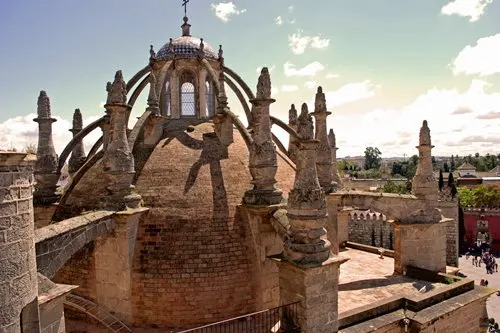
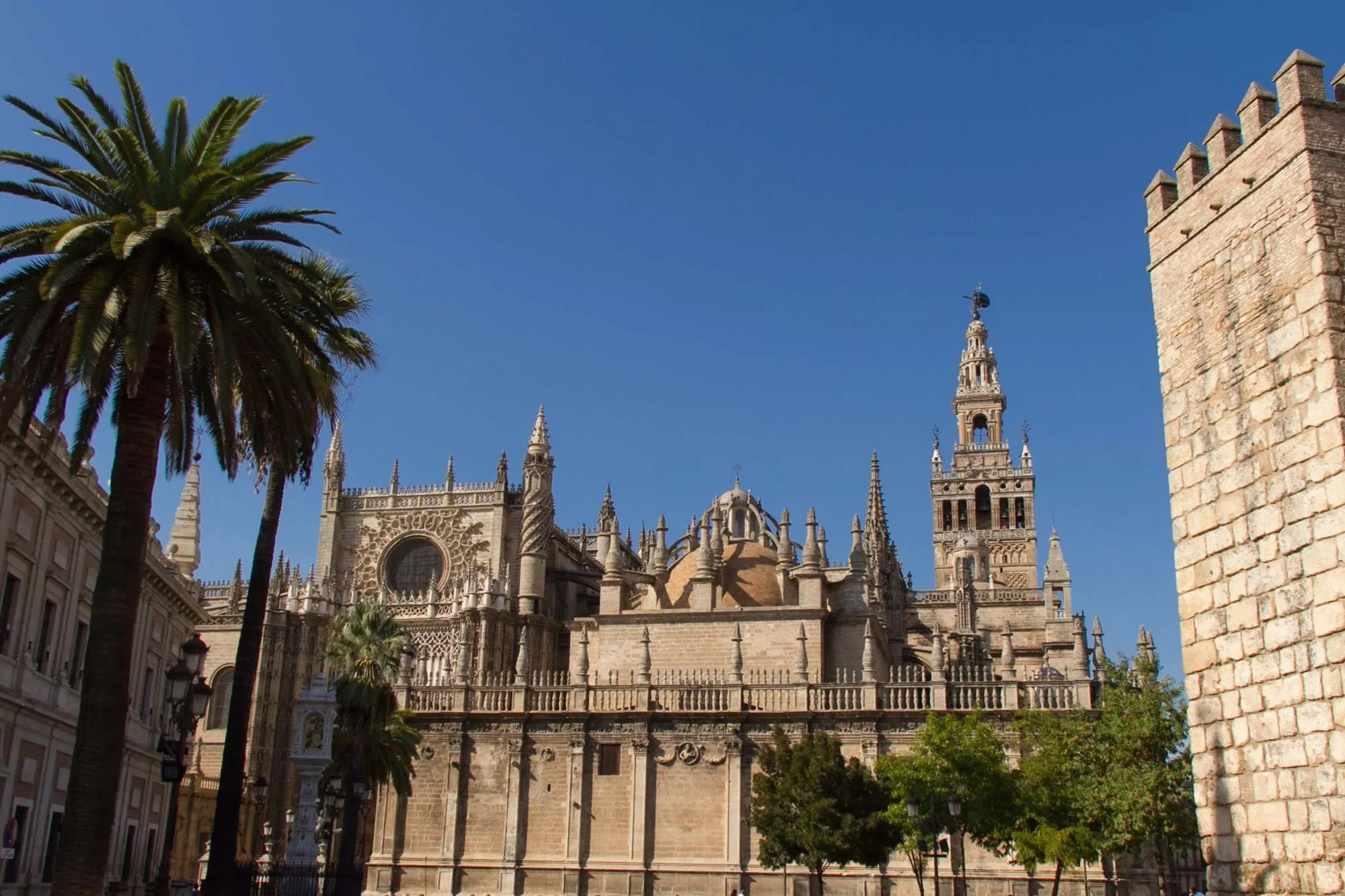
The Seville Cathedral is considered nowadays as one of the most important monuments of the Spanish Architecture, and it is the third-largest church in Christendom. It maintains the Patio de las Abluciones (Courtyard of the Ablutions), the Puerta del Perdón (Gate of Pardon) and the Giralda from the Almohad period.
This cathedral has a rectangular floor. Its dimensions are 116 meters length by 76 meters wide. It has five naves, and is covered by seventy ogive vaults. On the side naves are distributed some chapels with rampants where there are several paintings of Spanish authors; nevertheless this cathedral is famous for having one of the richest artistic treasures of our country, with more than 550 pieces. Work of arts of authors such as Murillo, Valdés Leal, Goya or Ribera.
The Capilla Mayor (Major Chapel) is from the XVI Century. It was built in 1504 following Alonso Rodríguez´ s design. There, you can find the biggest altarpiece in the Christendom, a masterpiece that took almost a century to be made, between the XV Century and the XVI Century. In it, scenes of the life of Christ and the Virgin are represented. Its main authors were Pierre Dancart and the brothers Jorge and Alejo Fernández.
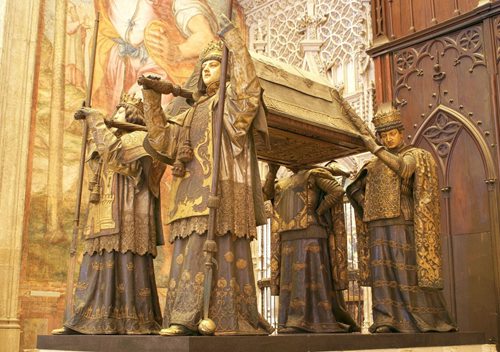
The Tomb of Christopher Colombus, from the year 1891, is located near the Capilla Mayor and it was created by Arturo Mélida. The Knights that carry the coffin represent the four kingdoms of Spain: Castilla, León, Navarra, and Aragón.
Capilla Real (Royal Chapel): it was planned by Martín de Gainza in 1541 and finished by José Roldán in 1770 to be used as a pantheon. It occupies the centre of the apse of the Church. It is important due to its huge Plateresque vault created by Hernán Ruiz el Joven. In one of the vaulted niches of the main altarpiece and under a silver canopy is located the Virgen de los Reyes (Kings´ Virgin), who is the patron saint of the city.
Sacristia de los Cálices (The Main Sacristy): It was designed by Don Diego de Riaño in 1529. Its art gallery has pieces of Alejo Fernández such as El abrazo de San Joaquin a Santa Ana (Saint Joaquin gives a hug to Saint Ana), La Virgen con el Niño (The Virgin with the Child) by Zubarán, Las Santas Junta y Rufina (The Saints Junta and Rufina) by Goya, La Adoración de los Reyes (Kings´ Adoration) by Jordanes in 1603, and finally the crucifix of the Cristo de la Clemencia, a sculpture, which is famous due to its beauty and serenity, is considered as a masterpiece of the Spanish Barroque sculpture.
Altar de la Concepción (Concepcion´ s altar): Better known as the altar of the “Gamba”, due to the altarpiece composed by eight boards. It was created by Luis de Vargas in 1561, and represents Christ´ s Genealogy.
Puerta del Perdón (Gate of Pardon): It is the main entrance to the Patio de los Naranjos (Orange Tree Courtyard). It has the form of a pointed horseshoe arch. The doors are made of bronze.
Patio de los Naranjos: It is the oratory of the old mosque, with pointed horseshoe arches supported by pillars. It has been reformed several times.
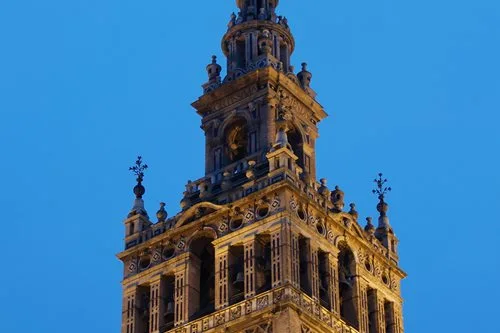
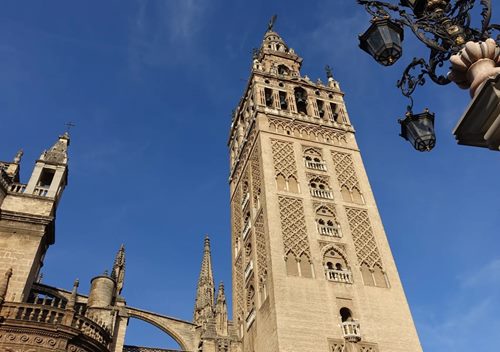
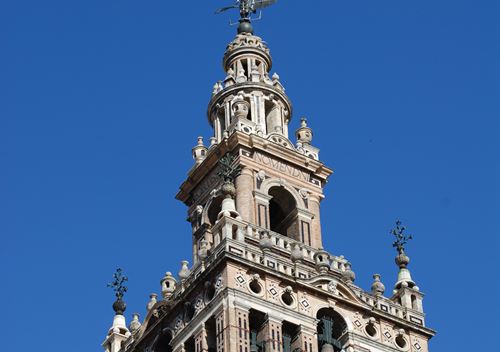
The Giralda Tower: It is the old minaret of the mosque. It has been decorated with sebka panels and polilobed horseshoe arches. In a certain Christian period, it is crowned with Renaissance windows and the monumental sculpture of the Fe Victoriosa (Victorious Faith) by Luis de Vargas, better known as the Giraldillo, is placed.
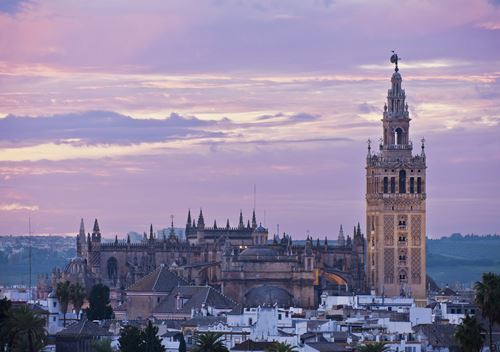
Seville Cathedral is a must-see when visiting the capital of Seville. Its monumental and historical heritage is of immeasurable value. It is the resting place of some Christian kings and Christopher Columbus. It is known as the "Magna Hispalensis" for being the largest in the world in terms of area.
And of course, artistically, it is a true gem, also housing an incredible collection of pictorial and sculptural works inside.
Join this guided tour of Seville Cathedral, without worrying about admission tickets.
A unique opportunity at a surprising price.
During your stay in Seville, this Monumental Visit: Inside the Cathedral is a must. A guided tour through the interior of one of the city’s most iconic monuments, declared a UNESCO World Heritage Site and recognized as a Site of Outstanding Universal Value.
Accompanied by a professional guide, you’ll explore every corner of this magnificent cathedral — its impressive chapels, courtyards, and priceless works of art.
Includes admission to both the Cathedral and the Giralda.
Book this experience and explore at your own pace one of Seville’s most iconic landmarks: the Cathedral and the Giralda, a UNESCO World Heritage Site.
With your official ticket and audioguide, you’ll discover artistic treasures like the stunning main altarpiece and Columbus’s tomb. Climb to the top of the Giralda for breathtaking views of the city.
An essential visit that blends history, art, and unforgettable panoramas in the heart of Seville.
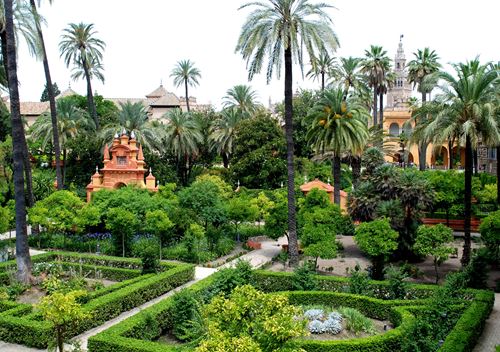
Hasn't you visited the Alcazar of Seville yet? Do not miss then this guided visit. An amazing palace complex, of Islamic origin, which the later historical styles has been added: from Mudejar to Baroque.
This is a fantastic sight that has been scene of great film productions, such as the 5th Season of "Game of Thrones".
An essential monument to visit!
Address and telephone
Opening times
September to June:
July and August (except 17 and 25 July):
Closed: 1 and 6 January and 25 December.
Reduced schedule (from 11:00 AM to 1:00 PM): 5 January, 24 and 31 December.
Prices
If you see any mistakes or want to add anything to this information, please contact us.
Seville Cathedral is a must-see when visiting the capital of Seville. Its monumental and historical heritage is of immeasurable value. It is the resting place of some Christian kings and Christopher Columbus. It is known as the "Magna Hispalensis" for being the largest in the world in terms of area.
And of course, artistically, it is a true gem, also housing an incredible collection of pictorial and sculptural works inside.
Join this guided tour of Seville Cathedral, without worrying about admission tickets.
A unique opportunity at a surprising price.
During your stay in Seville, this Monumental Visit: Inside the Cathedral is a must. A guided tour through the interior of one of the city’s most iconic monuments, declared a UNESCO World Heritage Site and recognized as a Site of Outstanding Universal Value.
Accompanied by a professional guide, you’ll explore every corner of this magnificent cathedral — its impressive chapels, courtyards, and priceless works of art.
Includes admission to both the Cathedral and the Giralda.
Book this experience and explore at your own pace one of Seville’s most iconic landmarks: the Cathedral and the Giralda, a UNESCO World Heritage Site.
With your official ticket and audioguide, you’ll discover artistic treasures like the stunning main altarpiece and Columbus’s tomb. Climb to the top of the Giralda for breathtaking views of the city.
An essential visit that blends history, art, and unforgettable panoramas in the heart of Seville.
Hasn't you visited the Alcazar of Seville yet? Do not miss then this guided visit. An amazing palace complex, of Islamic origin, which the later historical styles has been added: from Mudejar to Baroque.
This is a fantastic sight that has been scene of great film productions, such as the 5th Season of "Game of Thrones".
An essential monument to visit!
This guided tour shows the highlights of Seville: The Cathedral, the Giralda and the Alcazar Royal Palace, with official guide included.
The easiest way to discover Seville.
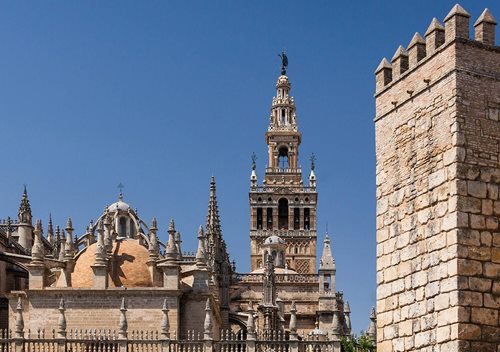
If you want to explore the most emblematic and monumental part of Seville, as well as its history, a perfect visit is to the Cathedral and Royal Alcázar.
You will discover, along with a guide, the different cultures that have passed through this city: Islamic, Jewish, and Christian.
Moreover, this guided tour includes admission to the monuments at an unbeatable price.
Book this experience and explore at your own pace one of Seville’s most iconic landmarks: the Cathedral and the Giralda, a UNESCO World Heritage Site.
With your official ticket and audioguide, you’ll discover artistic treasures like the stunning main altarpiece and Columbus’s tomb. Climb to the top of the Giralda for breathtaking views of the city.
An essential visit that blends history, art, and unforgettable panoramas in the heart of Seville.
Seville Cathedral is a must-see when visiting the capital of Seville. Its monumental and historical heritage is of immeasurable value. It is the resting place of some Christian kings and Christopher Columbus. It is known as the "Magna Hispalensis" for being the largest in the world in terms of area.
And of course, artistically, it is a true gem, also housing an incredible collection of pictorial and sculptural works inside.
Join this guided tour of Seville Cathedral, without worrying about admission tickets.
A unique opportunity at a surprising price.
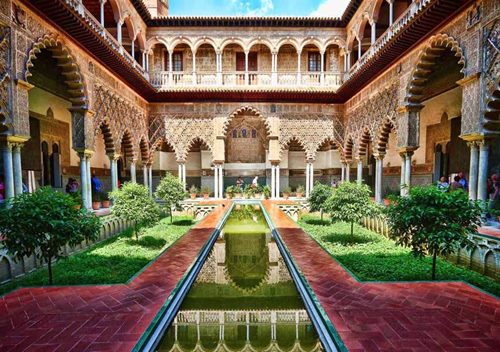
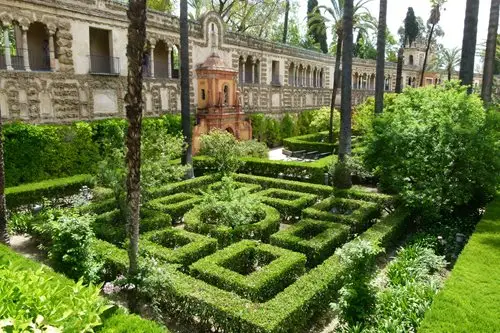
The Royal Alcazar of Seville is one of the most important monuments and essential for understanding the history of the capital of Seville. It began as an Almohad palace complex and today continues to serve as a residence for the Royal Family during their visits to Seville. It also hosts events and film shoots.
This spectacular monument combines Islamic and Christian art and is excellently preserved.
On our guided tour, you will discover its entire history while admiring the beautiful decoration of its walls, ceilings, and baseboards.
You will learn about a small part of the history of the Spanish kings and the protagonists of great events that took place here. You will fall in love with its exotic patios and gardens, which feature a wide variety of flora and fauna; we will also see peacocks during the visit.
Such is the importance of this alcazar that it has been a UNESCO World Heritage Site since 1987 and is one of the most visited monuments in Spain.
In short, a monument you cannot miss during your stay in Seville.
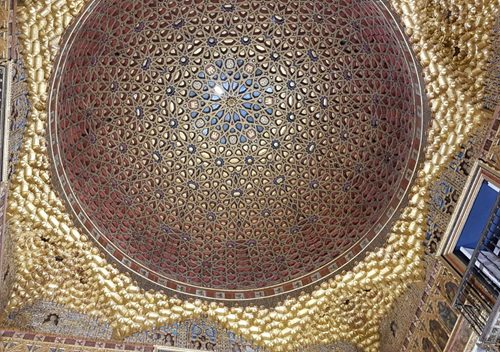
A complete tour of Seville includes visiting its Cathedral and its Real Alcázar. These two unique and key monuments are essential to understanding the history of the Hispalis capital and the legacy of the different cultures that passed through it.
You won't have to wait in line, and you will be accompanied at all times by an official guide who will reveal all the secrets of these two World Heritage jewels.
Tickets are included.
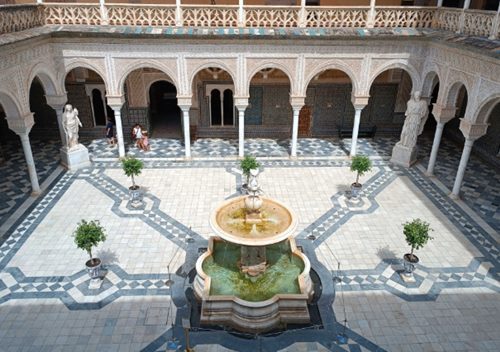
Discover one of the most enchanting palaces in the heart of Seville – the Casa de Pilatos. This stunning 15th-century building blends Mudéjar and Renaissance styles with the true essence of Seville, beautifully reflected in its central courtyard. Inside, it houses valuable artworks and historical manuscripts.
Explore every corner of the Casa de Pilatos with this guided tour led by an expert.
The entrance ticket is included in the booking price.
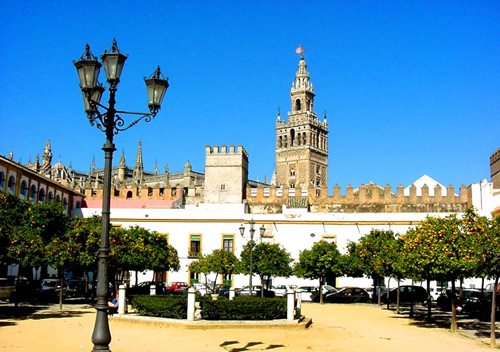
Discover Medieval Seville on this guided tour. Explore the historic heart of the city, where the medieval past of Seville comes to life.
With your guide, you’ll walk around the Cathedral, the Royal Alcázar, and through the narrow streets of the Santa Cruz quarter and the old Jewish neighborhood.
An essential tour to truly experience Seville.
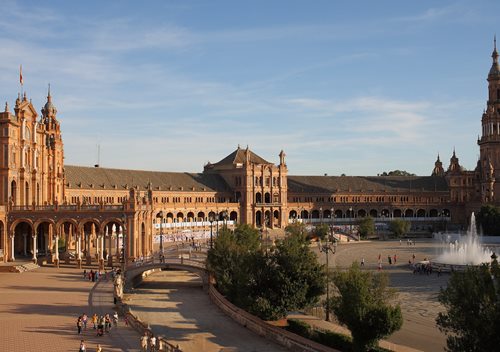
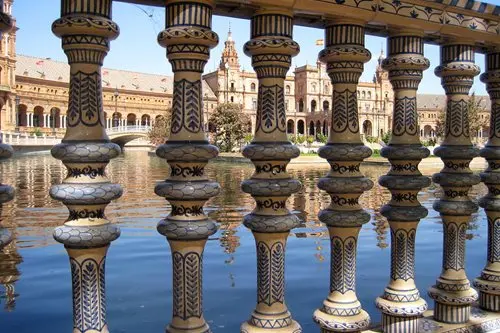
Discover the Movie Magic of Seville with this guided tour. In the romantic and charming María Luisa Park, you’ll explore some of its most special spots, including Plaza de América and the breathtaking Plaza de España.
The latter served as a filming location for iconic movies such as Lawrence of Arabia and Star Wars: Episode II – Attack of the Clones.
Don’t miss this cinematic tour through Seville!
During your stay in Seville, this Monumental Visit: Inside the Cathedral is a must. A guided tour through the interior of one of the city’s most iconic monuments, declared a UNESCO World Heritage Site and recognized as a Site of Outstanding Universal Value.
Accompanied by a professional guide, you’ll explore every corner of this magnificent cathedral — its impressive chapels, courtyards, and priceless works of art.
Includes admission to both the Cathedral and the Giralda.
Hasn't you visited the Alcazar of Seville yet? Do not miss then this guided visit. An amazing palace complex, of Islamic origin, which the later historical styles has been added: from Mudejar to Baroque.
This is a fantastic sight that has been scene of great film productions, such as the 5th Season of "Game of Thrones".
An essential monument to visit!
This guided tour shows the highlights of Seville: The Cathedral, the Giralda and the Alcazar Royal Palace, with official guide included.
The easiest way to discover Seville.
If you want to explore the most emblematic and monumental part of Seville, as well as its history, a perfect visit is to the Cathedral and Royal Alcázar.
You will discover, along with a guide, the different cultures that have passed through this city: Islamic, Jewish, and Christian.
Moreover, this guided tour includes admission to the monuments at an unbeatable price.
Book this experience and explore at your own pace one of Seville’s most iconic landmarks: the Cathedral and the Giralda, a UNESCO World Heritage Site.
With your official ticket and audioguide, you’ll discover artistic treasures like the stunning main altarpiece and Columbus’s tomb. Climb to the top of the Giralda for breathtaking views of the city.
An essential visit that blends history, art, and unforgettable panoramas in the heart of Seville.
Seville Cathedral is a must-see when visiting the capital of Seville. Its monumental and historical heritage is of immeasurable value. It is the resting place of some Christian kings and Christopher Columbus. It is known as the "Magna Hispalensis" for being the largest in the world in terms of area.
And of course, artistically, it is a true gem, also housing an incredible collection of pictorial and sculptural works inside.
Join this guided tour of Seville Cathedral, without worrying about admission tickets.
A unique opportunity at a surprising price.
The Royal Alcazar of Seville is one of the most important monuments and essential for understanding the history of the capital of Seville. It began as an Almohad palace complex and today continues to serve as a residence for the Royal Family during their visits to Seville. It also hosts events and film shoots.
This spectacular monument combines Islamic and Christian art and is excellently preserved.
On our guided tour, you will discover its entire history while admiring the beautiful decoration of its walls, ceilings, and baseboards.
You will learn about a small part of the history of the Spanish kings and the protagonists of great events that took place here. You will fall in love with its exotic patios and gardens, which feature a wide variety of flora and fauna; we will also see peacocks during the visit.
Such is the importance of this alcazar that it has been a UNESCO World Heritage Site since 1987 and is one of the most visited monuments in Spain.
In short, a monument you cannot miss during your stay in Seville.
A complete tour of Seville includes visiting its Cathedral and its Real Alcázar. These two unique and key monuments are essential to understanding the history of the Hispalis capital and the legacy of the different cultures that passed through it.
You won't have to wait in line, and you will be accompanied at all times by an official guide who will reveal all the secrets of these two World Heritage jewels.
Tickets are included.
Discover one of the most enchanting palaces in the heart of Seville – the Casa de Pilatos. This stunning 15th-century building blends Mudéjar and Renaissance styles with the true essence of Seville, beautifully reflected in its central courtyard. Inside, it houses valuable artworks and historical manuscripts.
Explore every corner of the Casa de Pilatos with this guided tour led by an expert.
The entrance ticket is included in the booking price.
Discover Medieval Seville on this guided tour. Explore the historic heart of the city, where the medieval past of Seville comes to life.
With your guide, you’ll walk around the Cathedral, the Royal Alcázar, and through the narrow streets of the Santa Cruz quarter and the old Jewish neighborhood.
An essential tour to truly experience Seville.
Discover the Movie Magic of Seville with this guided tour. In the romantic and charming María Luisa Park, you’ll explore some of its most special spots, including Plaza de América and the breathtaking Plaza de España.
The latter served as a filming location for iconic movies such as Lawrence of Arabia and Star Wars: Episode II – Attack of the Clones.
Don’t miss this cinematic tour through Seville!
During your stay in Seville, this Monumental Visit: Inside the Cathedral is a must. A guided tour through the interior of one of the city’s most iconic monuments, declared a UNESCO World Heritage Site and recognized as a Site of Outstanding Universal Value.
Accompanied by a professional guide, you’ll explore every corner of this magnificent cathedral — its impressive chapels, courtyards, and priceless works of art.
Includes admission to both the Cathedral and the Giralda.