Cookie settings
We use our own and third-party cookies in order to offer our services, display videos, obtain statistics and offer personalized advertising.
For more information, please read our cookies policy.
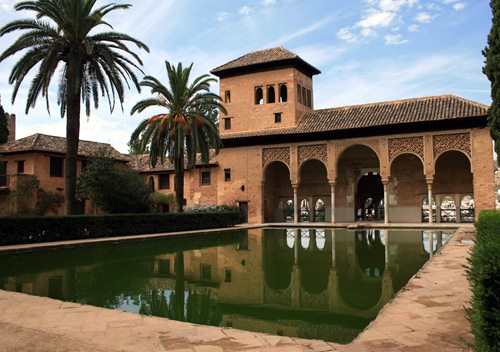
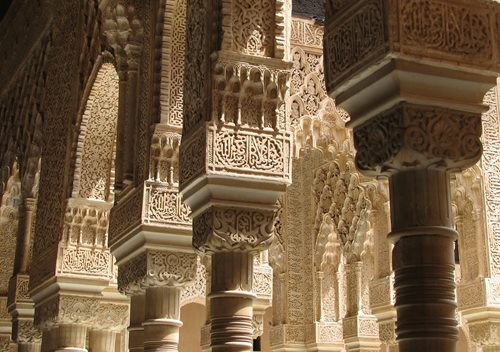
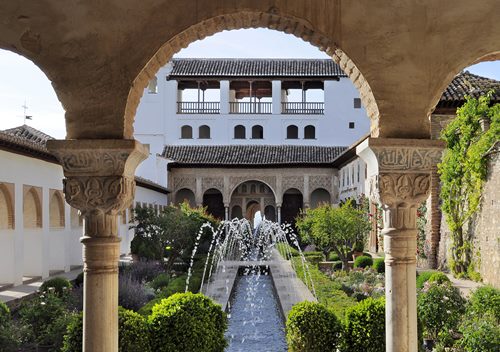
There is no reference of the Alhambra as residence of kings until the XIII Century, although the fortification comes from the IX Century. The Ziries monarchs were probably who built the Alhambra. The history of the Alhambra starts in 1238 when Mohammed I conquered a fortress placed where nowadays is located the Alcazaba, so the Nasrid dynasty was created and in this way the Kingdom of Granada was constituted. This king chose this place to build a city as his and their successors´ residence.
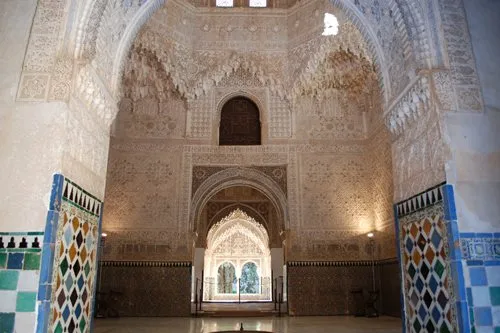
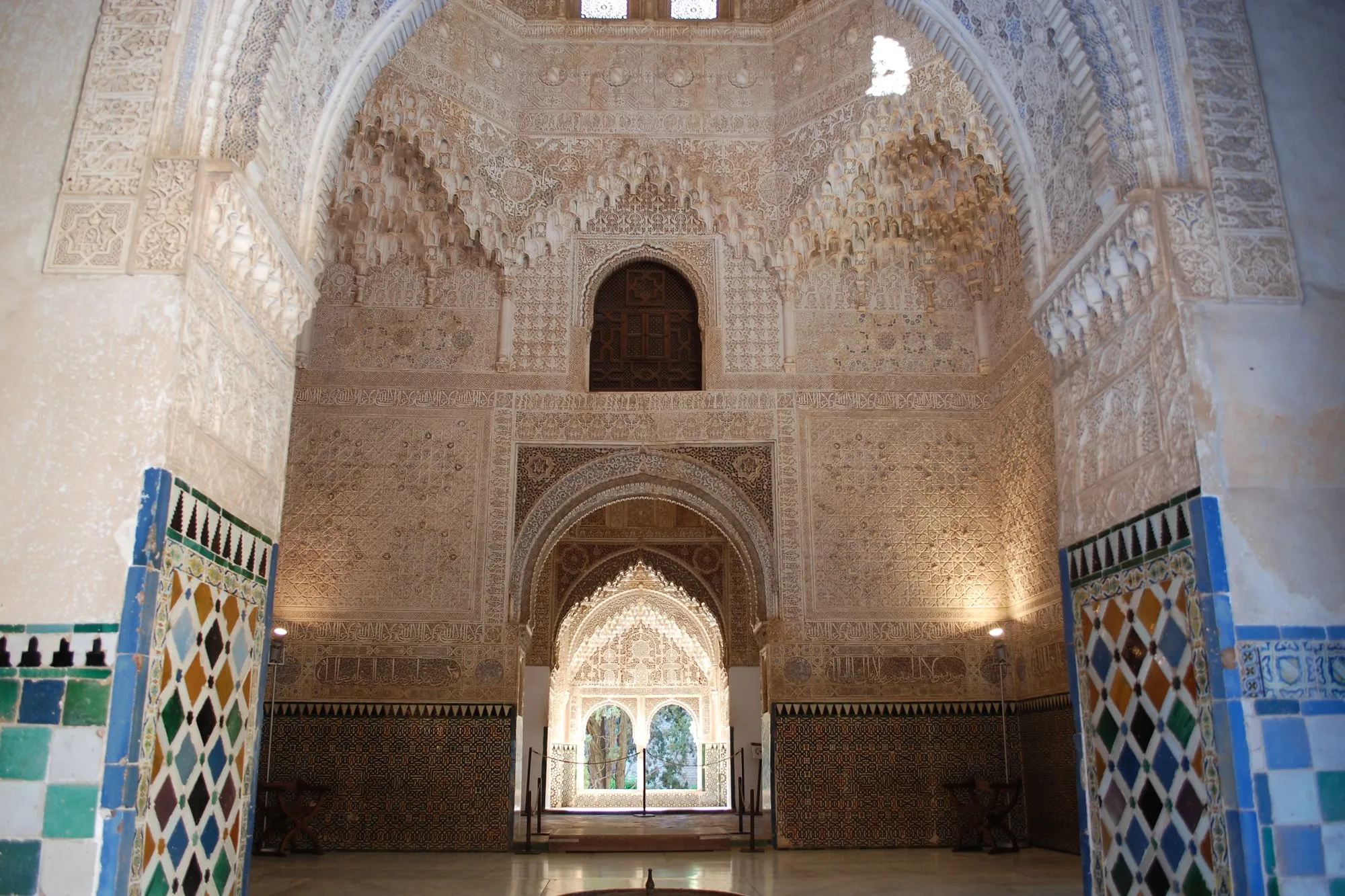
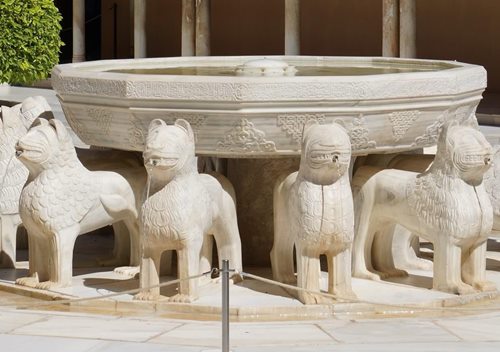
The founder of the dynasty, Mohammed Al-Ahmar, started with the redesign of the old stronghold. His work was completed by his son Mohammed II, whose immediate successors continued with the repairs. The construction of the palaces (called Casa Real Vieja) comes from the XIV Century, and it is a work of two great kings: Yusuf I and Mohammed V. Yusuf I built the Comares Room (Cuarto de Comares) and the Justice Gate (Puerta de la Justicia), the Baths and some towers. His son, Mohammed V, completed the palaces building the Hall of the Lions (Sala de los Leones), as well as other rooms and fortifications.
The Alcazaba became the main political and aristocratic focus of the Arab west. Al-Ahmar, firstly installed in the Alcazaba, started to build a palace on the ruins of Sabika and built an irrigation ditch to bring water from the River Darro. The most refined and impressive enlargement was carried out by Yusuf I and Mohammad V, between 1333 and 1391. In the XV Century, when the Christian troops were in advance, the fight against two opposite sides started. The last sultan who governed in Granada was Abu Ibn Allah Mohammad, better known as Boabdil. The 2nd January 1492, after the signing of the capitulations, he handed the keys of the City of Granada to Fernando the Catholic.
The Alhambra became a Christian Court in 1452 when the Catholic Monarchs conquered Granada. Later, several structures were built to house prominent citizens, barracks, a church and a Franciscan Monastery.
The Emperor Carlos V, who stayed several months in Granada, started the construction of the palace of his own name and made some reforms inside the buildings. These measures caused a meaningful controversy due to political reasons. The following Monarchs, from the Austria dynasty, did not forget this monument and each of them left his sign, although in a more discreet way.
During the XVIII Century and part of the XIX Century, this monument was forgotten and its halls and rooms were used as bars and stables where bad habits people lived. If worst comes to worst, the Napoleonic troops occupied Granada from 1808 to 1812, and turned the palaces into barracks. During a withdrawal, the towers were mined and some of them were destroyed. Two of them, the Tower of the Seven Floors (Torre de los Siete Suelos) and the Water Tower became ruins. In this way, this carelessness continued until 1870 when the Alhambra was declared national monument. Artists and tourists from all over the world fought for the defence of this monument. From then until our days, the Alhambra has been restored, protected and even improved in many aspects for people admiration and enjoying.
4 reviews
Are you in Malaga and desire to visit the Alhambra? Do it comfortably by booking this excursion.
You will visit all corners of the Nasrid Monument accompanied by an official guide, including the Nasrid Palaces.
Do not worry about the tickets or the transport, since all is included in the price of this service.
Why miss this opportunity?

Address and telephone
Opening times
Prices
* Prices for adults. Different fares apply for minors, European Youth Card holders, EU citizens over 65, large families members and people with a disability of 33% or more.
If you see any mistakes or want to add anything to this information, please contact us.
4 reviews
Are you in Malaga and desire to visit the Alhambra? Do it comfortably by booking this excursion.
You will visit all corners of the Nasrid Monument accompanied by an official guide, including the Nasrid Palaces.
Do not worry about the tickets or the transport, since all is included in the price of this service.
Why miss this opportunity?

4 reviews
Would you like to know truly Granada?
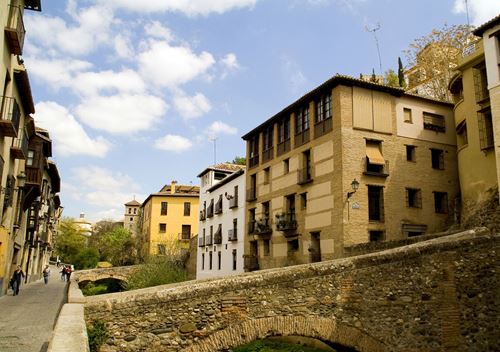
In this walking tour: Albayzin and Sacromonte we will take a walk through the Granada's Historical districts. We will discover the Granada's history and the artistic details of its buildings.
Don't join us?
Can you imagine walking through Granada with a guide just for you and choosing your preference route?
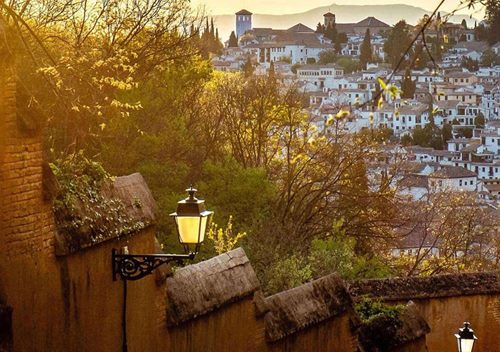
Well, it is possible with these private routes. You can choose between the Historic Center and Albayzín, Albayzín and Sacromonte, or just one of these last two historic neighborhoods declared a World Heritage Site. For more than two hours you will enjoy an exclusive guided tour just for you and yours.
For your next visit to Granada, don't hesitate and book your private route.
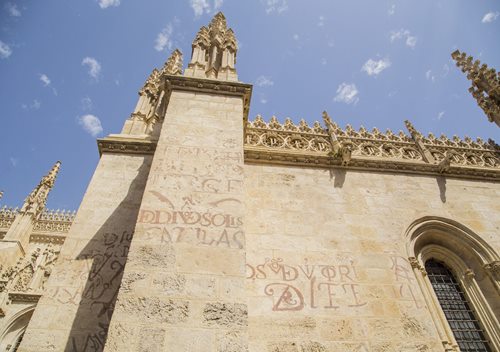
There are two monuments, which are the most visited after the Alhambra, essential to truly understand Granada: the Cathedral and the Royal Chapel. They are a symbol of the history and transformation of the city and Spain after the conquest of Granada by the Catholic Monarchs.
Don't miss out on discovering all their details and book your guided tour. You will visit both buildings and the historic center with a guide who will explain how Granada changed between the 15th and 16th centuries.
You will learn anecdotes you never imagined. Additionally, tickets are included in the price.
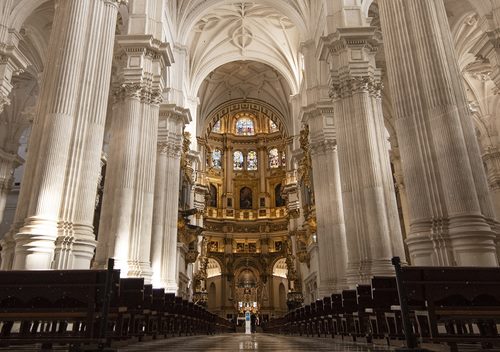
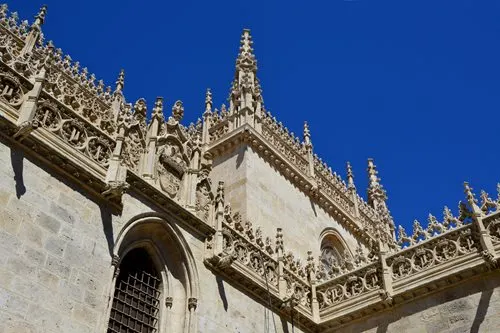
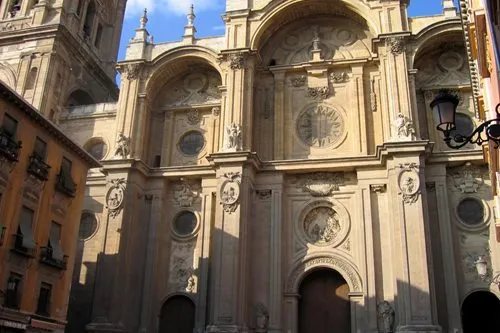
Step into two of Granada’s most iconic landmarks: the Renaissance Cathedral and the Royal Chapel, resting place of Queen Isabella and King Ferdinand.
Discover stunning art, historic architecture, and the legacy of Spain’s Catholic Monarchs. Uncover fascinating stories behind these sacred sites that shaped Spanish history.
Experience the grandeur and cultural heritage at the heart of Granada. Book your tour today and immerse yourself in the city’s religious and artistic treasures.
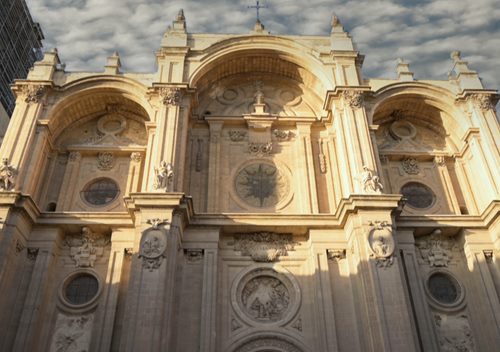
Skip the lines on this private tour of Granada Cathedral and the Royal Chapel with an expert guide.
Discover the beauty of Renaissance architecture and explore the artistic treasures inside.
Visit the tombs of Isabella I of Castile and Ferdinand II of Aragon, the Catholic Monarchs.
Learn the fascinating stories behind these iconic landmarks and their role in Spain’s history.
Enjoy a personalized experience at your own pace, fully immersing yourself in Granada’s religious and cultural heritage.
33 reviews
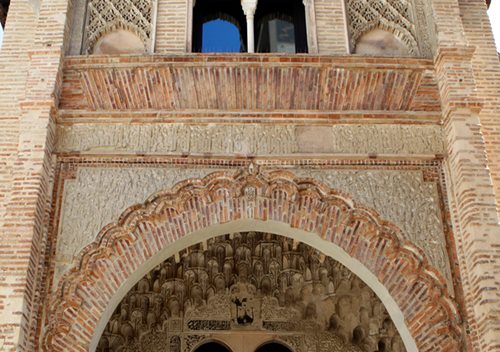
This Free Tour is ideal to discover the most emblematic places of the Granada city centre.
You will visit places as outstanding as Plaza Nueva, the Royal Chapel, the Cathedral, Alcaicería, or the Albaicín Bajo.
Do not pay anything now and put the price at the end of the route.

12 reviews
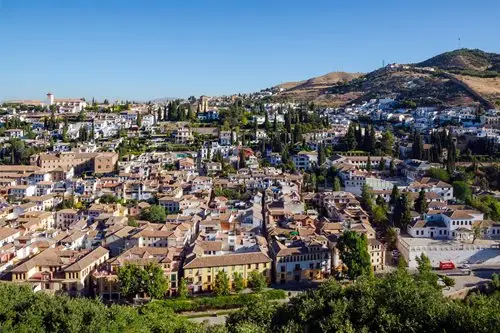
A perfect free tour to understand how changed Granada at the end of 15th Century after Catholic Kings conquest is walking through the historical neighbourhoods. A tour guide will carry to you to stroll the labyrinth and stoned streets of the Albaicin and the picturesque gypsy Sacromonte. Both neighbourhoods are declared World Heritage by UNESCO.
You'll fall in love of Granada and its leyends from the best Alhambra viewpoints.


4 reviews
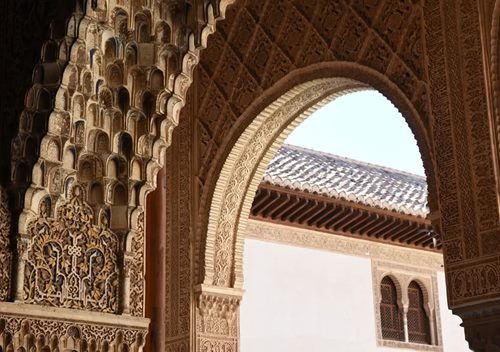
Would you like to know truly Granada?
In this walking tour: Albayzin and Sacromonte we will take a walk through the Granada's Historical districts. We will discover the Granada's history and the artistic details of its buildings.
Don't join us?
Can you imagine walking through Granada with a guide just for you and choosing your preference route?
Well, it is possible with these private routes. You can choose between the Historic Center and Albayzín, Albayzín and Sacromonte, or just one of these last two historic neighborhoods declared a World Heritage Site. For more than two hours you will enjoy an exclusive guided tour just for you and yours.
For your next visit to Granada, don't hesitate and book your private route.
There are two monuments, which are the most visited after the Alhambra, essential to truly understand Granada: the Cathedral and the Royal Chapel. They are a symbol of the history and transformation of the city and Spain after the conquest of Granada by the Catholic Monarchs.
Don't miss out on discovering all their details and book your guided tour. You will visit both buildings and the historic center with a guide who will explain how Granada changed between the 15th and 16th centuries.
You will learn anecdotes you never imagined. Additionally, tickets are included in the price.
Step into two of Granada’s most iconic landmarks: the Renaissance Cathedral and the Royal Chapel, resting place of Queen Isabella and King Ferdinand.
Discover stunning art, historic architecture, and the legacy of Spain’s Catholic Monarchs. Uncover fascinating stories behind these sacred sites that shaped Spanish history.
Experience the grandeur and cultural heritage at the heart of Granada. Book your tour today and immerse yourself in the city’s religious and artistic treasures.
Skip the lines on this private tour of Granada Cathedral and the Royal Chapel with an expert guide.
Discover the beauty of Renaissance architecture and explore the artistic treasures inside.
Visit the tombs of Isabella I of Castile and Ferdinand II of Aragon, the Catholic Monarchs.
Learn the fascinating stories behind these iconic landmarks and their role in Spain’s history.
Enjoy a personalized experience at your own pace, fully immersing yourself in Granada’s religious and cultural heritage.
33 reviews
This Free Tour is ideal to discover the most emblematic places of the Granada city centre.
You will visit places as outstanding as Plaza Nueva, the Royal Chapel, the Cathedral, Alcaicería, or the Albaicín Bajo.
Do not pay anything now and put the price at the end of the route.
12 reviews
A perfect free tour to understand how changed Granada at the end of 15th Century after Catholic Kings conquest is walking through the historical neighbourhoods. A tour guide will carry to you to stroll the labyrinth and stoned streets of the Albaicin and the picturesque gypsy Sacromonte. Both neighbourhoods are declared World Heritage by UNESCO.
You'll fall in love of Granada and its leyends from the best Alhambra viewpoints.


Book your hotel