Cookie settings
We use our own and third-party cookies in order to offer our services, display videos, obtain statistics and offer personalized advertising.
For more information, please read our cookies policy.
The current civil wars (the War of the Spanish Succession and the War of Independence) excluded Spain on a second order in the international scene; that was why it should be reformed in order to compete with the main international powers. It is the Age of Enlightenment. In Spain, the development of an enlightened thought was favoured by the arrival of the Borbón dynasty to the throne and the contact with intellectuals from other European countries.
If the main person to start the reform was the King, the rest of the authorities should support him. In this way, a new critic conscience appeared as a way of patriotism among a minority of Spaniards. The foreign policy should be revised, the power should be centralized, the administration should be reformed, the economy should experience an increase, and in the social field it was necessary to favour an attitude towards the work and renew the culture and the scientific thought. A great part of reformist and political intellectuals took part in this project. This new cultural and intellectual mentality will be spread to the rest of the people by the intellectuals.
The policy of the reform was more developed during Fernando VI´ s reign, and it achieved its fullness during Carlos III´ s reign, thanks to Campomanes´ s intellect and activity.
The first members of the Borbón dynasty, who made Madrid a perfect place for the political, social and cultural life, made a series of modifications in the palace when the city became the capital city of the Empire. In 1561, they carried out a series of internal and decorative reforms based on the French style.
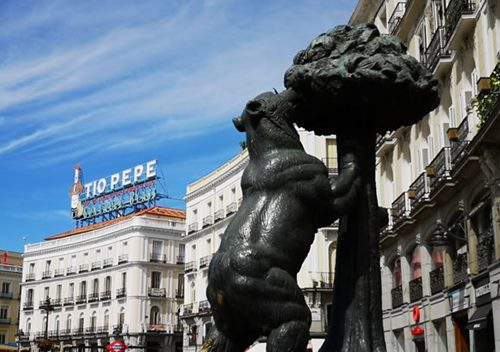
If you're visiting Madrid do not miss an essential tour through its most emblematic places.
This guided tour will takes to you to stroll historical and enchanting Madrid sights such as the Paseo del Retiro, the Barrio de las Letras, the Puerta del Sol and Plaza Mayor.
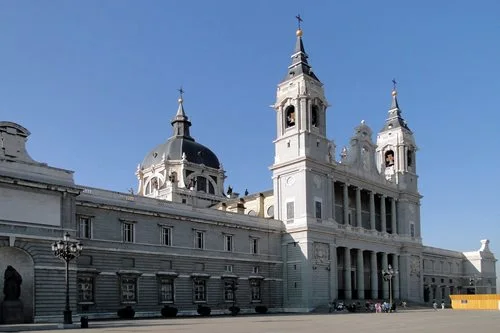
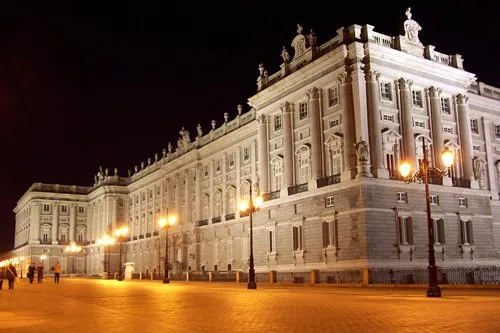
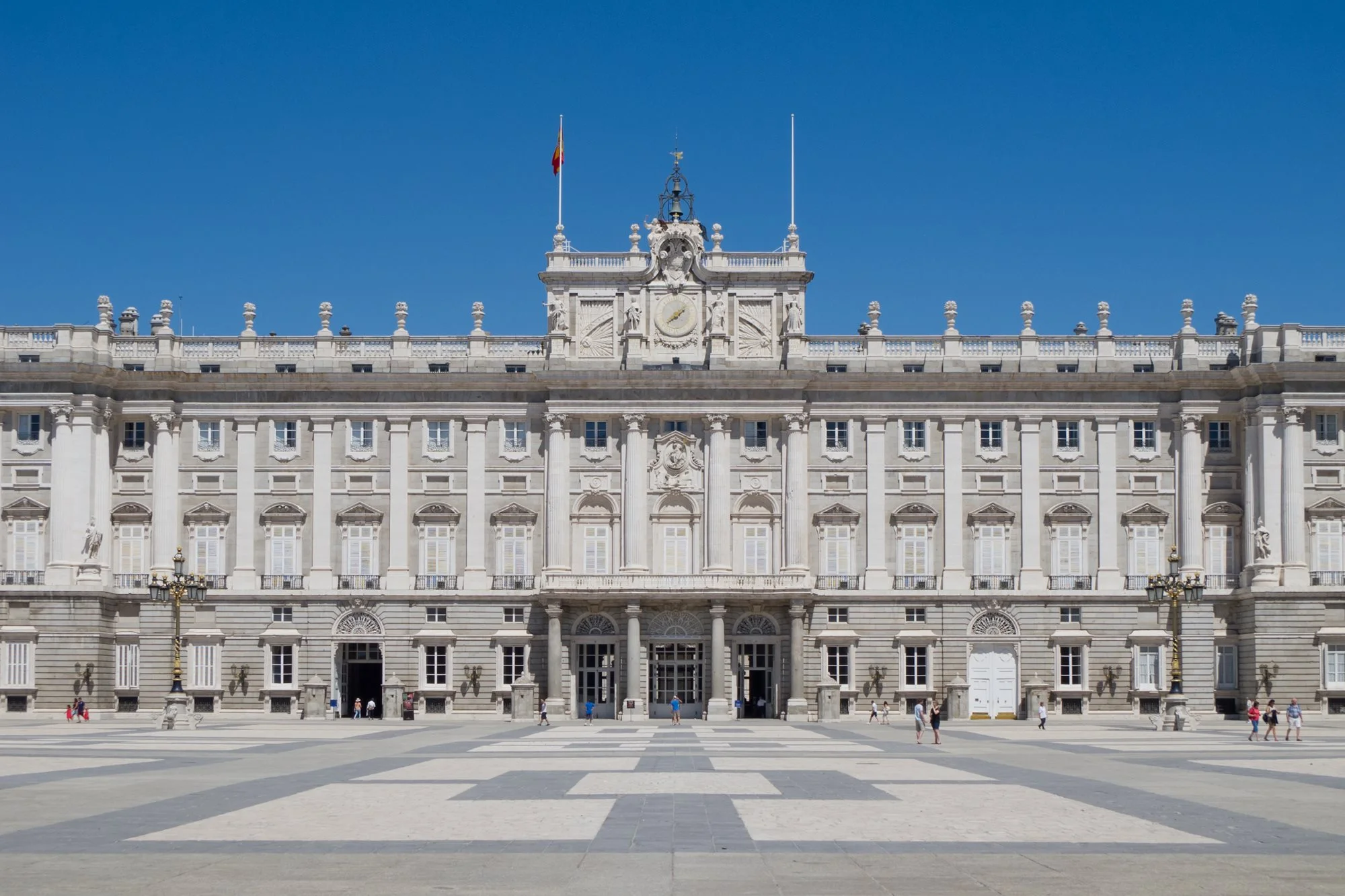
Without forgetting the Plaza de Oriente, where the Royal Palace and the Almudena Cathedral are located.
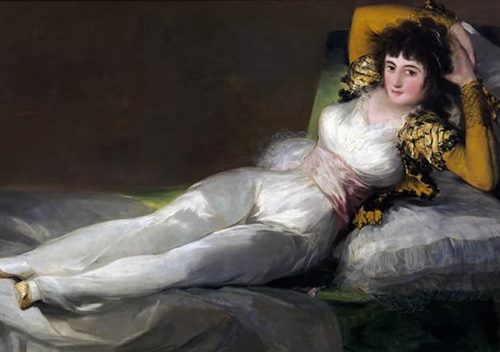
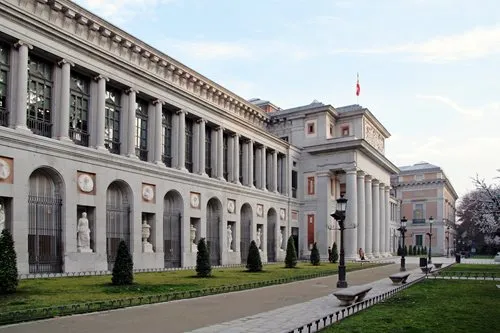
Make the most of your visit to the Prado National Museum. By booking your ticket with an audio guide here, you'll enjoy skip-the-line access to the museum and an app that provides all the details about masterpieces by renowned artists like Goya and Velázquez, as well as great European painters like Rubens.
A perfect option to explore at your own pace one of the largest and most visited art galleries in the world.
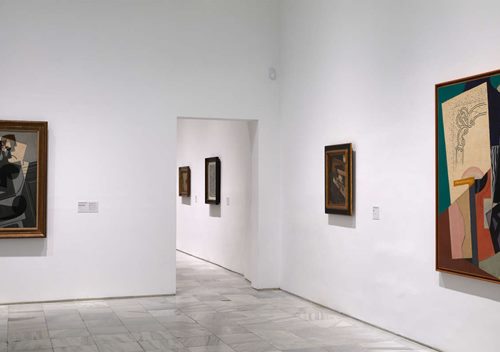
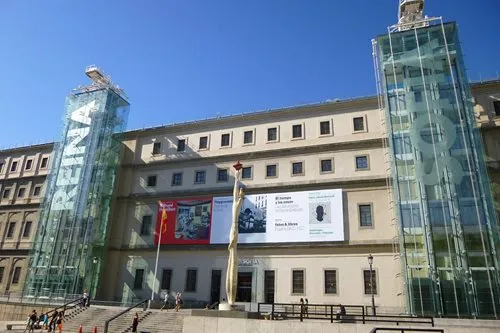
Discover one of Spain's most visited contemporary art museums, the Reina Sofía Museum in Madrid.
Book your ticket with a multilingual audioguide and be captivated by the stories behind masterpieces like Guernica by Pablo Picasso or The Face of the Great Masturbator by Salvador Dalí.
This plan is perfect for exploring the museum at your own pace without missing a single detail.
Address and telephone
Opening times
Prices
If you see any mistakes or want to add anything to this information, please contact us.
If you're visiting Madrid do not miss an essential tour through its most emblematic places.
This guided tour will takes to you to stroll historical and enchanting Madrid sights such as the Paseo del Retiro, the Barrio de las Letras, the Puerta del Sol and Plaza Mayor.
Without forgetting the Plaza de Oriente, where the Royal Palace and the Almudena Cathedral are located.
Make the most of your visit to the Prado National Museum. By booking your ticket with an audio guide here, you'll enjoy skip-the-line access to the museum and an app that provides all the details about masterpieces by renowned artists like Goya and Velázquez, as well as great European painters like Rubens.
A perfect option to explore at your own pace one of the largest and most visited art galleries in the world.
Discover one of Spain's most visited contemporary art museums, the Reina Sofía Museum in Madrid.
Book your ticket with a multilingual audioguide and be captivated by the stories behind masterpieces like Guernica by Pablo Picasso or The Face of the Great Masturbator by Salvador Dalí.
This plan is perfect for exploring the museum at your own pace without missing a single detail.

Would you like to stroll through the heart of Madrid and taste the best tapas? This is your tour.
By booking, you’ll receive a link to download an exclusive, multilingual app. With it, you’ll explore iconic spots like Plaza Mayor, Mercado de San Miguel, and Puerta del Sol.
Discover renowned venues where you can savor the finest Spanish and Madrid-style tapas, from timeless classics to bold innovations. Immerse yourself in the culinary culture of this vibrant city and its people. You’ll even learn fascinating stories and fun facts about each selected bar.
Don’t miss out on this experience!
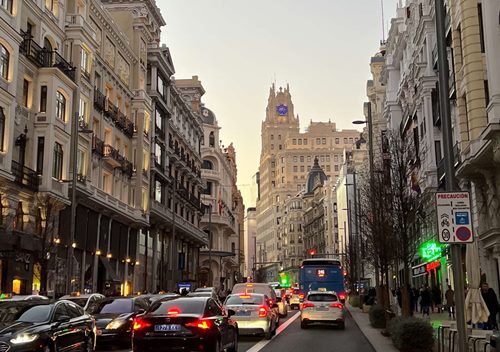
Discover Madrid through its movies with this incredible tour—an original way to explore the city's heritage and culture. You'll learn about Madrid's origins while strolling through film locations and watching their sequences.
Your journey will start at the Royal Palace, passing through the Austrias neighborhood, Plaza Mayor, Sol, and Callao. Along the way, the guide will reveal fascinating anecdotes about Madrid in cinema.
The tour ends on Gran Vía, a backdrop for iconic films, where you'll enjoy a cocktail at the legendary Chicote. Don't just hear about it—experience it yourself!