Cookie settings
We use our own and third-party cookies in order to offer our services, display videos, obtain statistics and offer personalized advertising.
For more information, please read our cookies policy.
Built on top of a former 13th century construction. There is a portico with interesting sculptures.
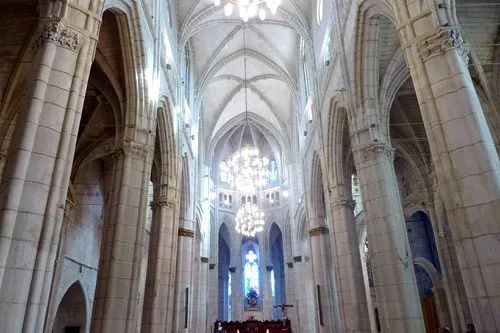
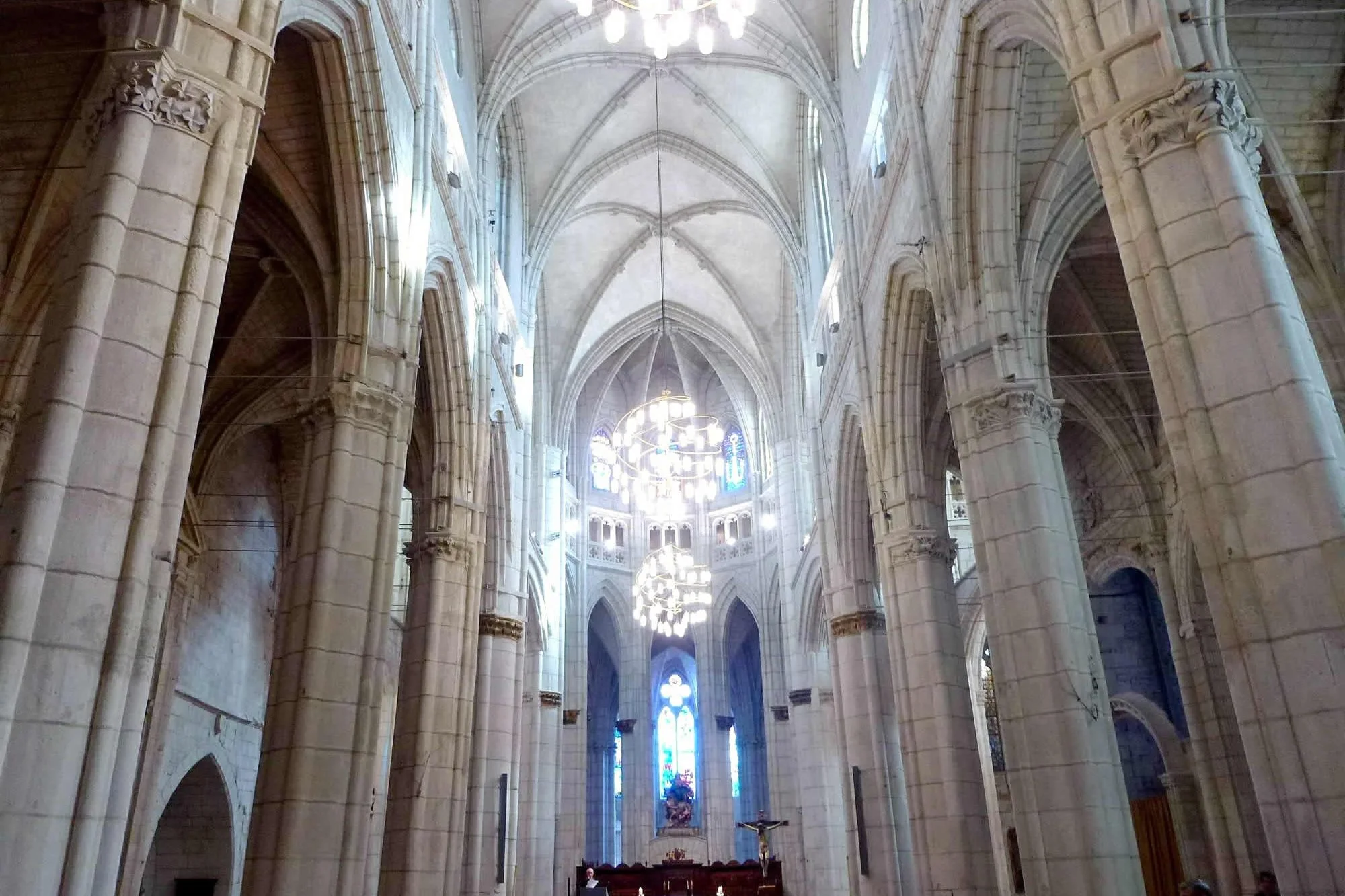
The Cathedral de Santa María originates from a project to build a church-fortress at the beginning of the 13th century.
Later, the construction culminated in various phases during the 14th and 15th centuries under a Gothic influence. The cathedral is supported on enormous columns bulging under the weight, and a beautiful and fragile triforium.
It is now possible to visit this cathedral as never before, because until the year 2010 "it is open for building works". The cathedral's unique Restoration Plan means you can see first hand how restoration work on the building is carried out. These works have been awarded the Europa Nostra Special Prize, granted by the European Union for conservation of and improvements to cultural heritage sites.
Built: XIII-XV Centuries
Author: Anónimo
Style: Gothic
Category: Religious
Type: Cathedral
Address and telephone
Opening times
Daily, 11:00am-1:00pm and 5:00-7:00pm.
Closed, 25 December and 1 January.
Prices
Entry fee: General admission: €3.
Reduced: €1.50.
Free: children under 12 years accompanied by an adult.
Guided tours by prior appointment, in Spanish, Basque, English, French, German and Italian, on tel: +34 945255135
If you see any mistakes or want to add anything to this information, please contact us.
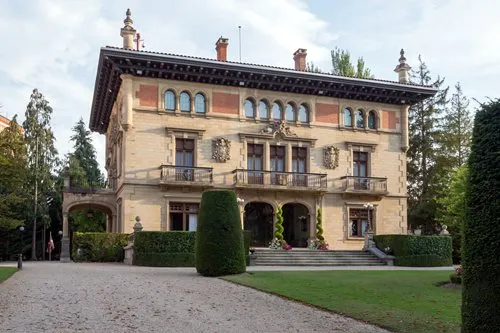
Neo-Basque style stately home built by the industrialist Serafín Ajuria, which is now the official residence of the President of the Basque Government.
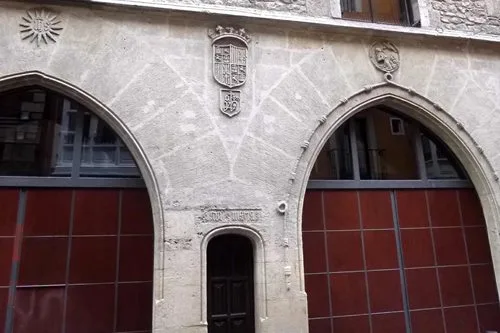
15th Century. Contains a medieval tower and a gothic hall. Its name (which means ‘house of the cord’) comes from the cord of Saint Francis which runs around one of its doors.
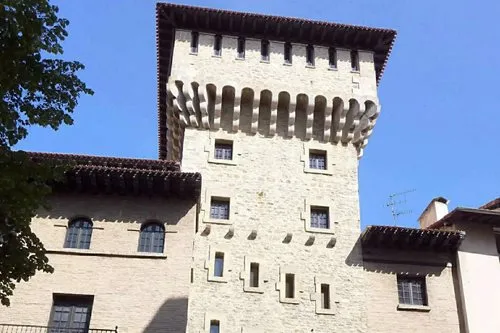
The tower was built in 1970 over the remains of a 15th Century medieval house.
The building houses the Museum of Natural Science. Next to the tower visitors can see a group of houses dating from the 17th and 18th centuries.
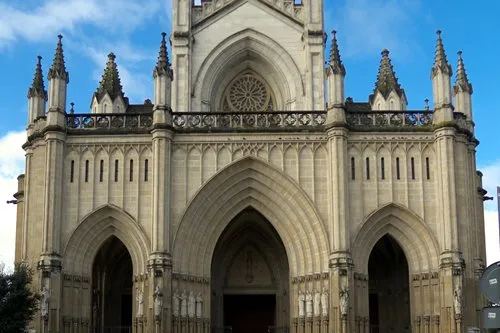
1907-1973. Neo-gothic building designed by the architects Julián Apraiz and Javier Luque. Its most interesting features are the crypt (reached by means of a side door) and the various sculptures and carvings. The building also houses the Museum Religious Art.