Cookie settings
We use our own and third-party cookies in order to offer our services, display videos, obtain statistics and offer personalized advertising.
For more information, please read our cookies policy.
Declared a site of cultural interest.
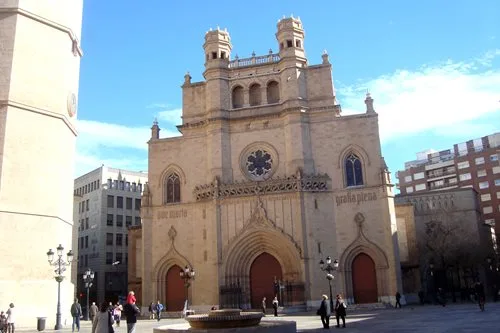
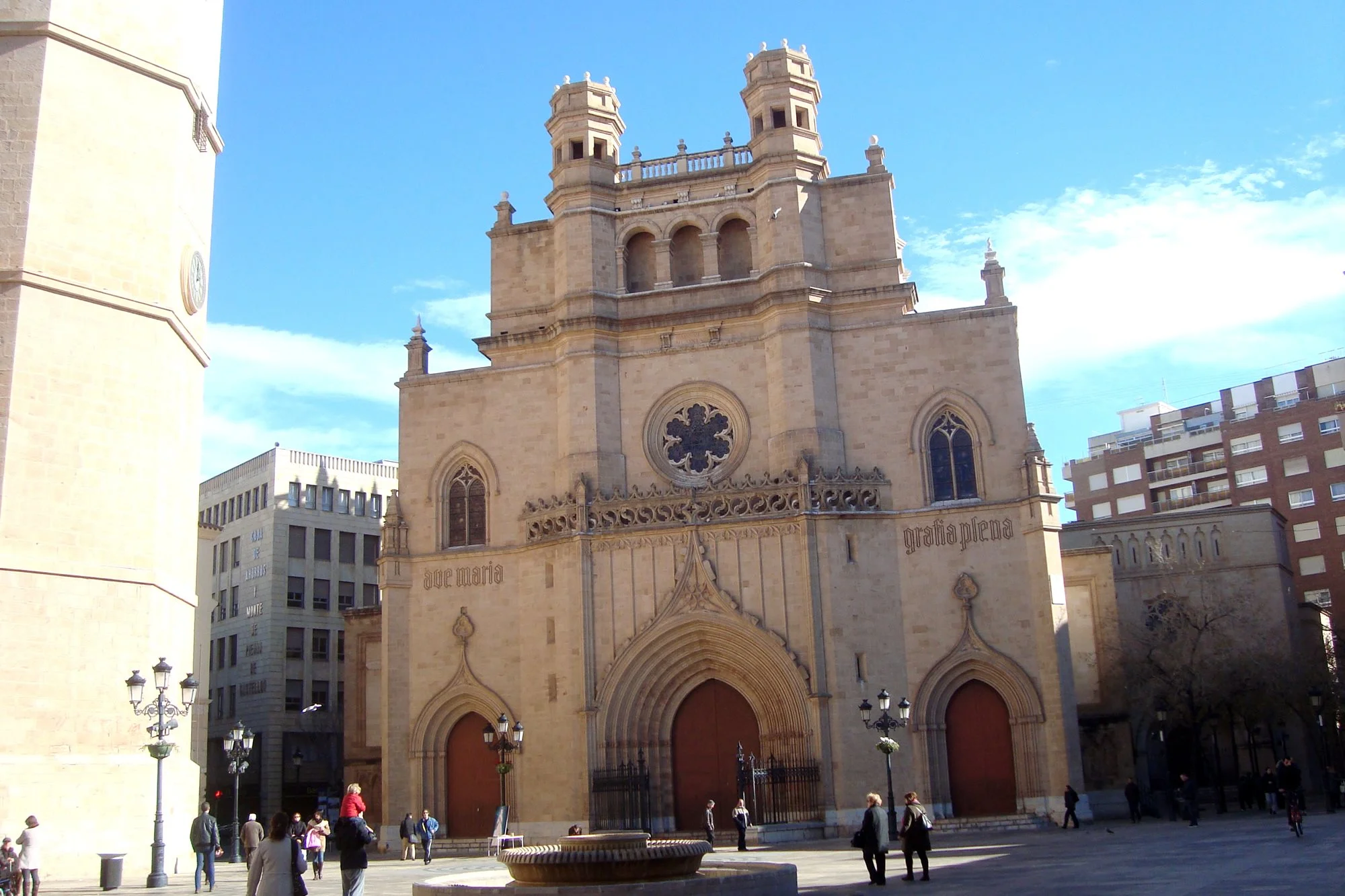
This church was originally built in the 12th Century and rebuilt in the 14th Century after a fire. It was one of the most representative examples of gothic architecture in the Region of Valencia.
It was demolished in 1936 and only two side doors and the main door were left standing. Vicente Traver started re-building work in 1940. Various gold objects and canvases have been preserved.
Built: XIII-XX Centuries
Author: Anónimo
Style: Gothic, Neogothic
Category: Religious
Type: Cathedral
Address and telephone
Opening times
Prices
Free Entry
If you see any mistakes or want to add anything to this information, please contact us.
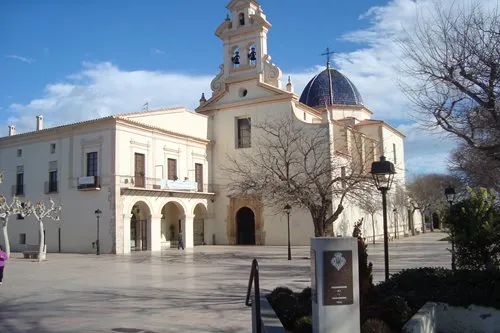
At the end of a wide avenue filled plantain trees, the Basilica Santa María de Lledó rises in the extreme northeast of the city.
Santa María de Lledó has been the patrono f Castellón de la Plana since 1922.
According to griten documents, in the 14th Century there was a chapel located on this site revealing the Discovery of the image of the Virgin by Perot de Granyana, in 1366. The basilica was extended in the 16th Century and was finished in the 18th Century.
As well as the image and a collection of cloaks, inside you’ll find 17th and 18th century carvings as well as canvases and gold objects. It is currently the largest rural sanctuary in Valencia.
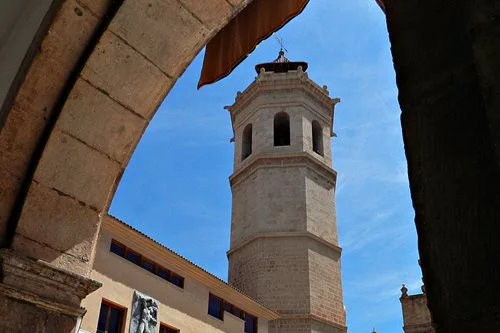
The belltower was built between the 15th and 18th centuries. El Fadrí is located in the Plaza Mayor, next to the Santa María la Mayor Church.
The regional parliament decided to build a bell tower in 1437, but construction work didn’t start until 1940. The master builder Saera intervened in 1457 and built the first section.
The tower is of both gothic and renaissance styles.
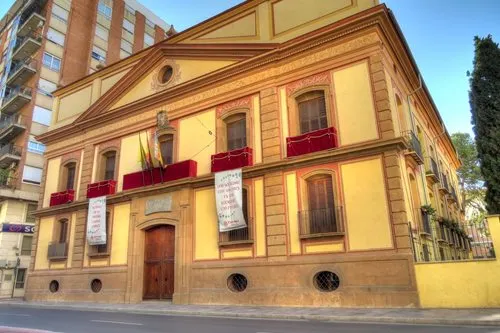
Building work started on this neoclassical palace on the outskirts of the town in 1793. it is one of the few examples of academic architecture in the city.
It was built as a result of economic support from the Bishop Brother Antonio José Salinas and Moreno, who placed the eminent Miguel Tirado in charge of the work.
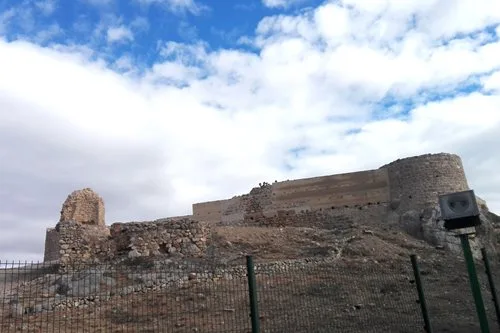
Declared a site of cultural interest. This Islamic-style castle (11th -13th Century) and the Ermita de la Magdalena stand on the Cerro de la Magdalena hill, the current city’s origin.
This has been an occupied site since neolithic times and the chape lis built into the rock (15th Century).

Book your hotel