Cookie settings
We use our own and third-party cookies in order to offer our services, display videos, obtain statistics and offer personalized advertising.
For more information, please read our cookies policy.
Crossed by the Tormes River, Salamanca stands out as one of the cities with the richest historical background in Spain.
The origins of the city date back some 2,700 years. This is known from the remains found on San Vicente hill. The population moved in the 4th century BC to San Isidro hill, where remains of a Vacceo fort were found. Hannibal, the Carthaginian general, besieged and conquered the city (called Helmántica by the Romans). By the 2nd century BC the Roman legions took the area and named the settlement Salmantica. After the fall of the Empire, the Visigoths conquered the territory and made the city an episcopal see.
Around 712 the city became part of Muslim territory, leaving Salamanca significantly depopulated. The situation changed under the rule of Ramiro II of León, who once he took the area began a significant repopulation process. This marked an important period for Salamanca. For example, in 1253 Alfonso X would establish its University, which today remains the oldest active one in Spain. Gradually the city gained economic importance, thanks to the Mesta, the cloth industry and wool.
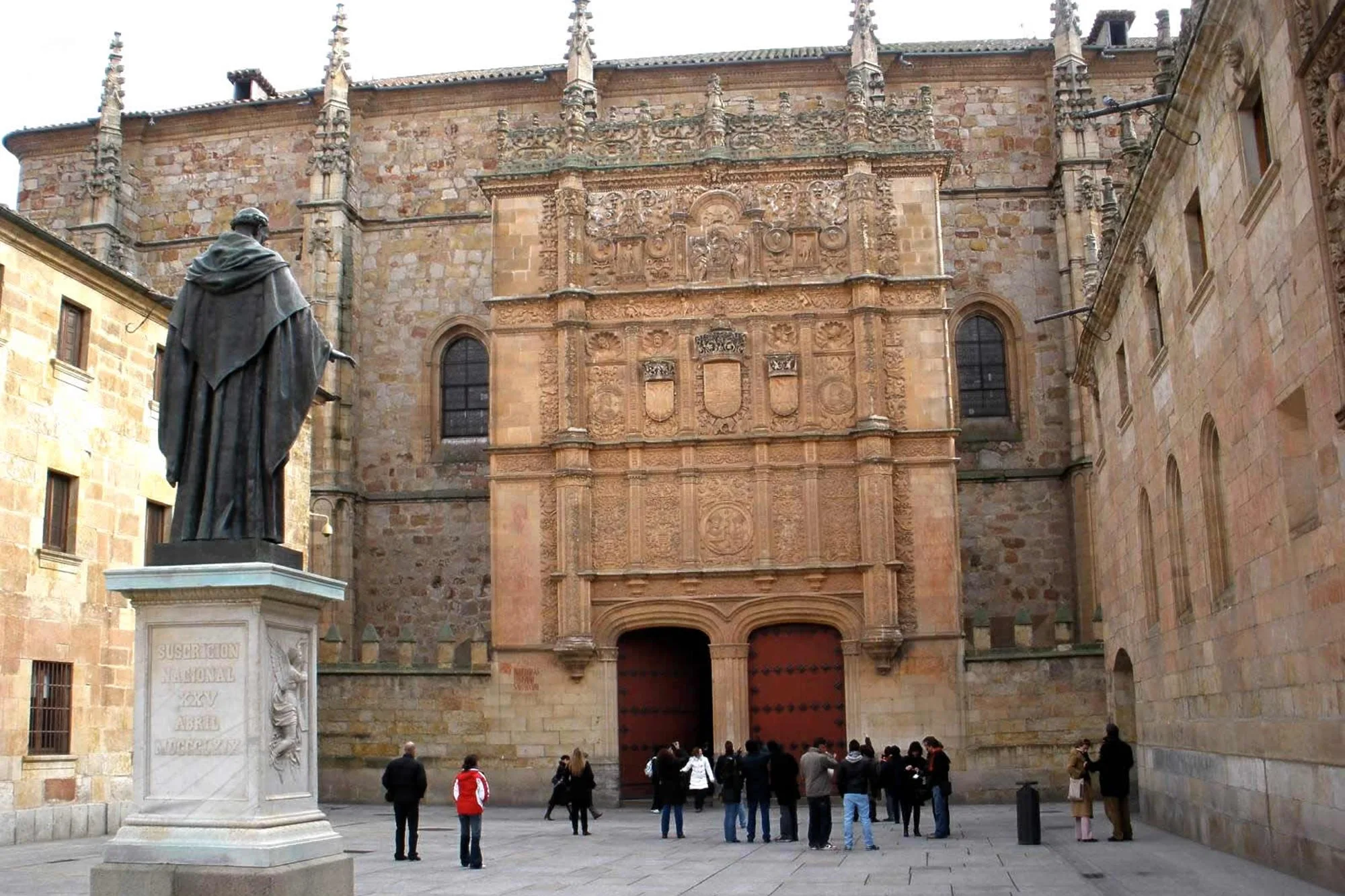
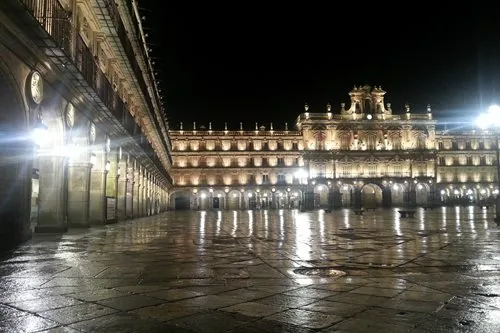
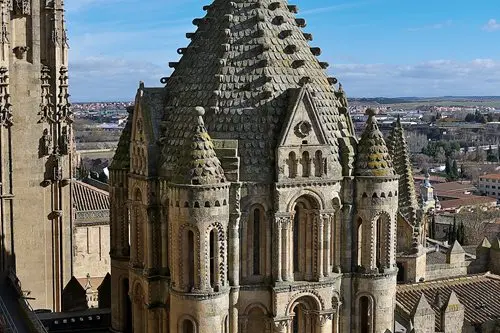
The heritage of Salamanca is truly rich and varied. In 1988 it was declared a World Heritage City by UNESCO and since then the number of visitors has increased annually. Viewing the University's facade, visiting the New Cathedral and the Old Cathedral or strolling through its Roman bridge or Plaza Mayor are some of its major attractions. We cannot forget La Clerecía, the Casa de las Conchas, the Palacio de Monterrey, the Church of San Marcos, the Escuelas Menores, the Convent of San Esteban or the Archbishop Fonseca College.
In reality, the city of Salamanca is a unique heritage assembly in the world. The various cultural itineraries, visits, and activities blend with a diverse offer of gastronomy and leisure in general.


Book your hotel
Things to do
Currently, we do not have any companies with activities in Salamanca.
Do you have a company that offers guided tours, events, shows, active tourism and outdoor activities or other leisure and tourism activities in Salamanca? Contact us and we'll explain how to include these services for free.
