We use our own and third-party cookies in order to offer our services, display videos, obtain statistics and offer personalized advertising. You can accept all cookies by clicking "Accept". If you want to refuse all or some of them, click "Cookie settings". For more information, please read our cookies policy.
Cookie settings
×
Cookie settings
We use our own and third-party cookies in order to offer our services, display videos, obtain statistics and offer personalized advertising.
Technical Cookies
These cookies allow the user to navigate the website and use the different options and services offered. InSpain.org uses its own and third-party technical cookies. Our website needs some technical cookies to work properly. These cookies cannot be disabled.
Analytical cookies
These cookies allow the tracking and the analysis of the visitors’ behaviors from the web site. The gathered information is used for measuring the website activity and to develop statistics to further improve the website. InSpain.org uses third-party analytical cookies.
Behavioural advertising cookies
These cookies collect information about your browsing habits in order to make advertising relevant to you and your interests. InSpain.org uses its own and third-party behavioural advertising cookies.
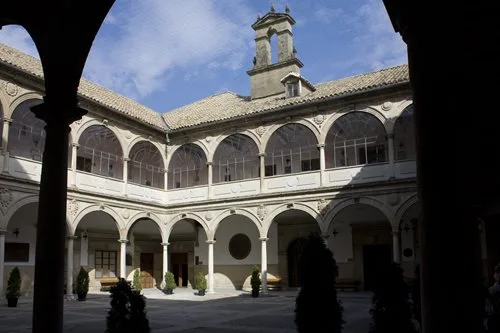
Es ist eine der vier Universitäten, die im 16. Jahrhundert in Andalusien gegründet wurden, zusammen mit Granada, Sevilla und Osuna, und gehört zur Gruppe der „kleinen Universitäten“.
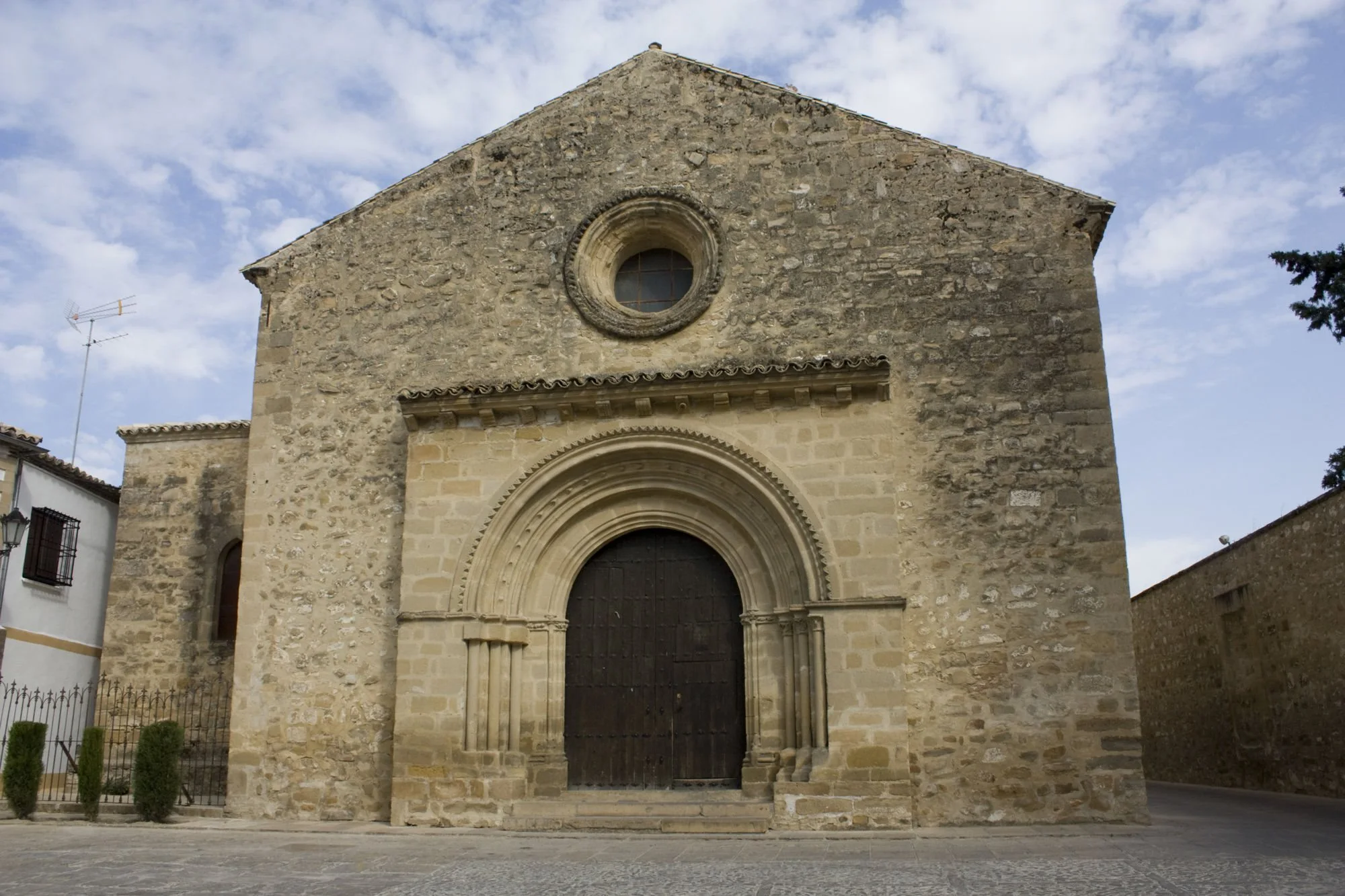
Es ist die einzige Kirche, die von sechs Pfarreien erhalten geblieben ist, die nach der Eroberung durch Ferdinand III. (Kapitulierung von Baeza, 1227) errichtet wurden.
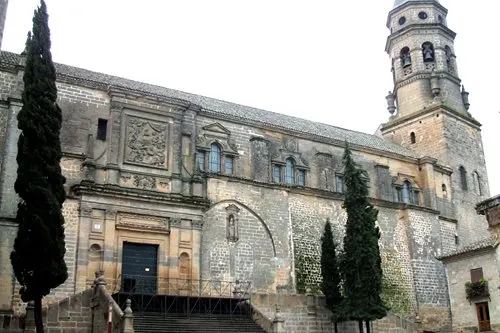
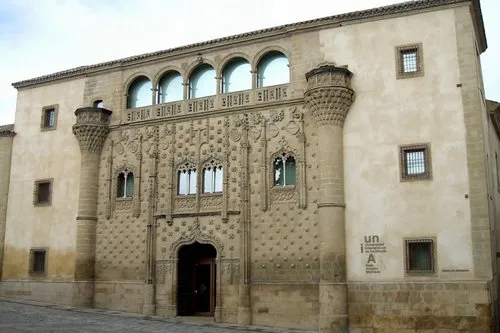
Es handelt sich um einen der Juwelen der Gotik der Katholischen Könige. Er wurde auf Befahl des Herrn von Jabalquinto Juan Alfonso de Benavides Manrique, Cousin des Königs Ferdinand der Katholische, errichtet. Die Fassade wird im Flamboyantstil mit mudejar...