We use our own and third-party cookies in order to offer our services, display videos, obtain statistics and offer personalized advertising. You can accept all cookies by clicking "Accept". If you want to refuse all or some of them, click "Cookie settings". For more information, please read our cookies policy.

Cookie settings
×

Cookie settings

We use our own and third-party cookies in order to offer our services, display videos, obtain statistics and offer personalized advertising.

Technical Cookies
These cookies allow the user to navigate the website and use the different options and services offered. InSpain.org uses its own and third-party technical cookies. Our website needs some technical cookies to work properly. These cookies cannot be disabled.
Analytical cookies
These cookies allow the tracking and the analysis of the visitors’ behaviors from the web site. The gathered information is used for measuring the website activity and to develop statistics to further improve the website. InSpain.org uses third-party analytical cookies.
Behavioural advertising cookies
These cookies collect information about your browsing habits in order to make advertising relevant to you and your interests. InSpain.org uses its own and third-party behavioural advertising cookies.

For more information, please read our cookies policy.

Startseite / Provinzen Spaniens / Tarragona / Tarragona / Sehenswürdigkeiten in Tarragona /

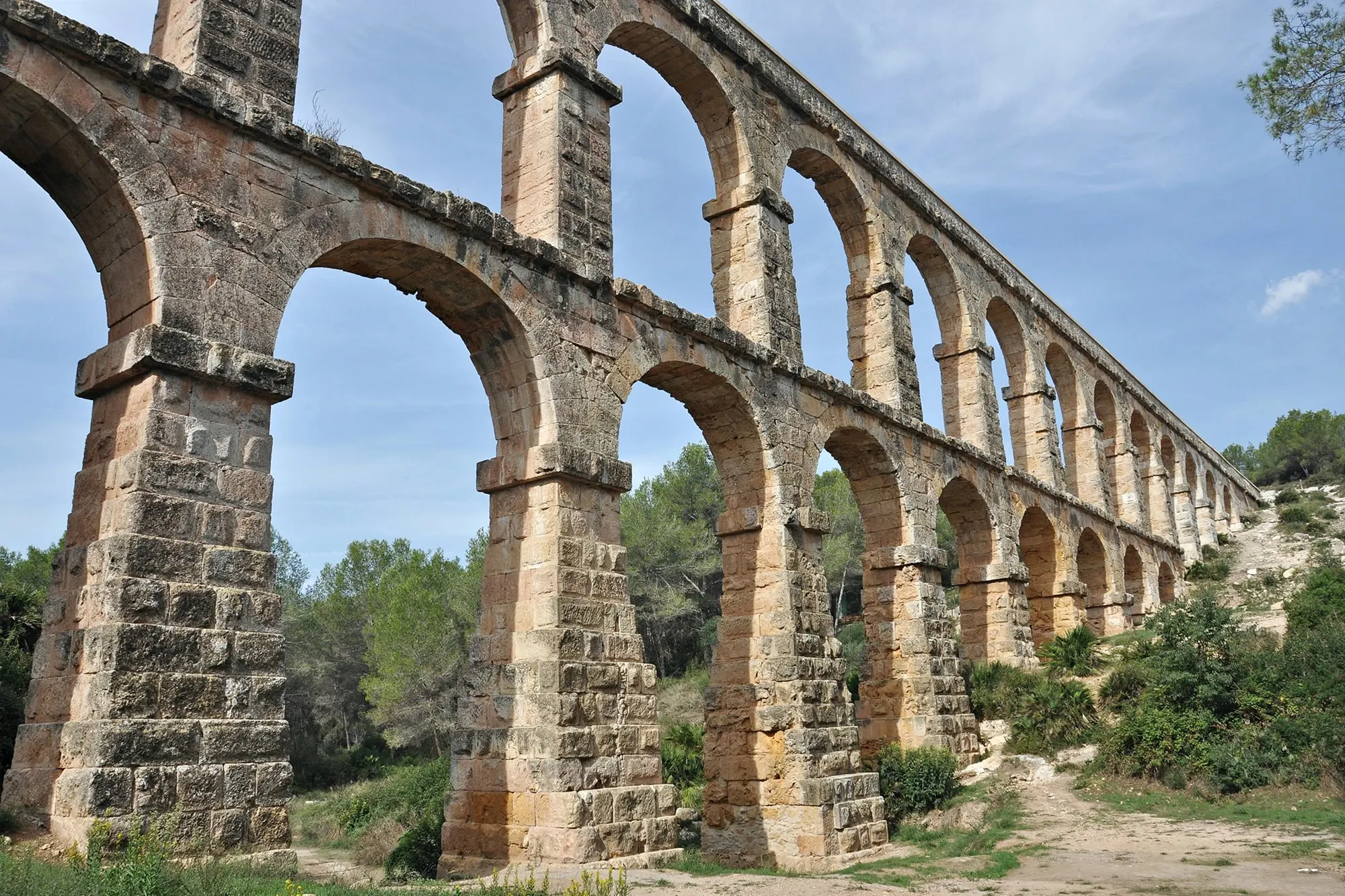
Aqüadukt von Tarragona

Im 1. Jahrhundert wurden zwei lange Aquädukte gebaut, die die Stadt mit Wasser versorgten.


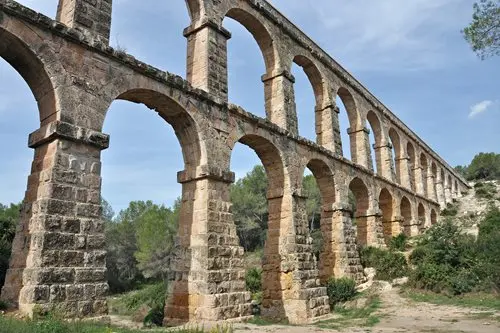
Das erste über 15 km lange Aquädukt schöpfte Wasser aus dem Fluss Francolí Letztgenanntes Aquädukt war eine circa 217 m lange und 26 m hohe Brucke und präsentierte einen eindrucksvollen Verlauf über einem Abgrund.


Seine Baustruktur besteht aus großen Quadersteinen, die ohne Mörtel zusammengesetzt wurden und eine doppelte Arkadenlinie bildeten. Volkstümlich kennt man as als Pont del Diable (Teufelsbrucke) bzw. Ferreres Aquädukt.

Baujahr: 1. Jahrhundert n. Chr.

Verfasser: Anónimo

Stil: Römische Antike

Kategorie: Zivil

Typ: Aqüadukt

Organisieren Sie Ihren Besuch

Adresse

CN-240 de Valls a Lleida a 4 Km. de Tarragona 43006 Tarragona

Öffnungszeiten

Freier Zutritt.

Wenn Sie einen Fehler entdecken oder diese Informationen ergänzen möchten, wenden Sie sich an uns.
Wo

Sehenswürdigkeiten in Tarragona

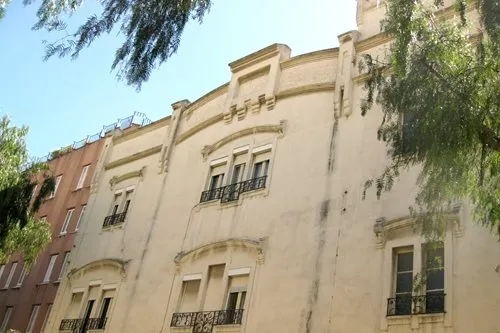
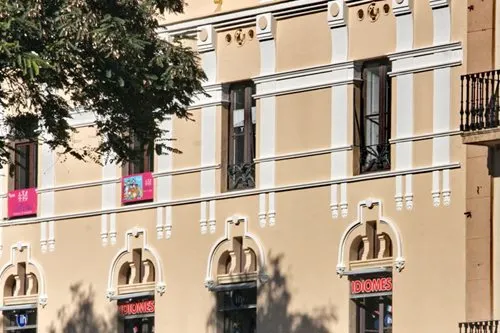
Im Jahr 1920 schuf Josep maría Pujol für die Schwestern Bofarull ein Wohnhaus, das an der Ecke der Rambla Nova und der Straße „Carrer Sant Agustí“ lag.
Das Haus von Doktor Aleu wurde vom Architekten Josep Maria Pujol i de Barberà im Jahr 1927 entworfen.
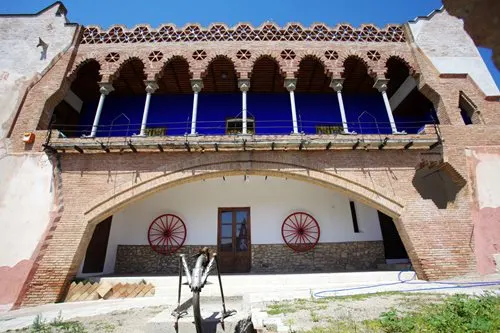
Im Jahr 1913 baute der Architekt Josep Maria Pujol i de Barberà das Haus auf einen Aussichtspunkt der Stadt mit Blick in die Natur, d.h. mit Sicht aufs Meer. Es erinnert stark an ein Märchenschloss.
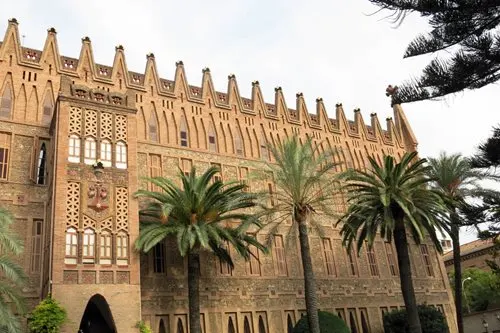
Die Fassade des Gebäudes ist zweifelsohne besoners aufallend. Durch die Dimensioned des Gebäudes wird der Stellenwert und die wohlwollende Aufnahme der Schwestern Anfang des vorigen Jahrhunderts verdeutlicht.

Buchen Sie Ihr Hotel

Booking.com