We use our own and third-party cookies in order to offer our services, display videos, obtain statistics and offer personalized advertising. You can accept all cookies by clicking "Accept". If you want to refuse all or some of them, click "Cookie settings". For more information, please read our cookies policy.
Cookie settings
×
Cookie settings
We use our own and third-party cookies in order to offer our services, display videos, obtain statistics and offer personalized advertising.
Technical Cookies
These cookies allow the user to navigate the website and use the different options and services offered. InSpain.org uses its own and third-party technical cookies. Our website needs some technical cookies to work properly. These cookies cannot be disabled.
Analytical cookies
These cookies allow the tracking and the analysis of the visitors’ behaviors from the web site. The gathered information is used for measuring the website activity and to develop statistics to further improve the website. InSpain.org uses third-party analytical cookies.
Behavioural advertising cookies
These cookies collect information about your browsing habits in order to make advertising relevant to you and your interests. InSpain.org uses its own and third-party behavioural advertising cookies.
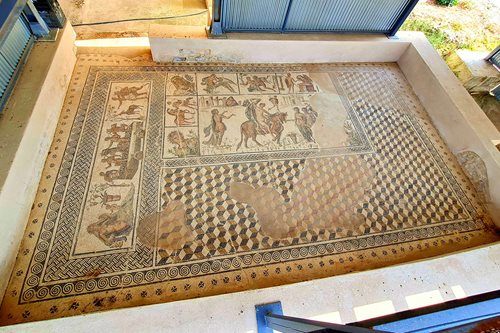
Die archäologische Ausgrabungsstätte Plaza de Armas (oder Alcázar von Écija) befindet sich in einer der höchsten Lagen der Stadt. Ihre Fläche beträgt 5.480 Quadratmeter. Sie repräsentiert die Geschichte Écijas, da man anhand verschiedener Schichten die...
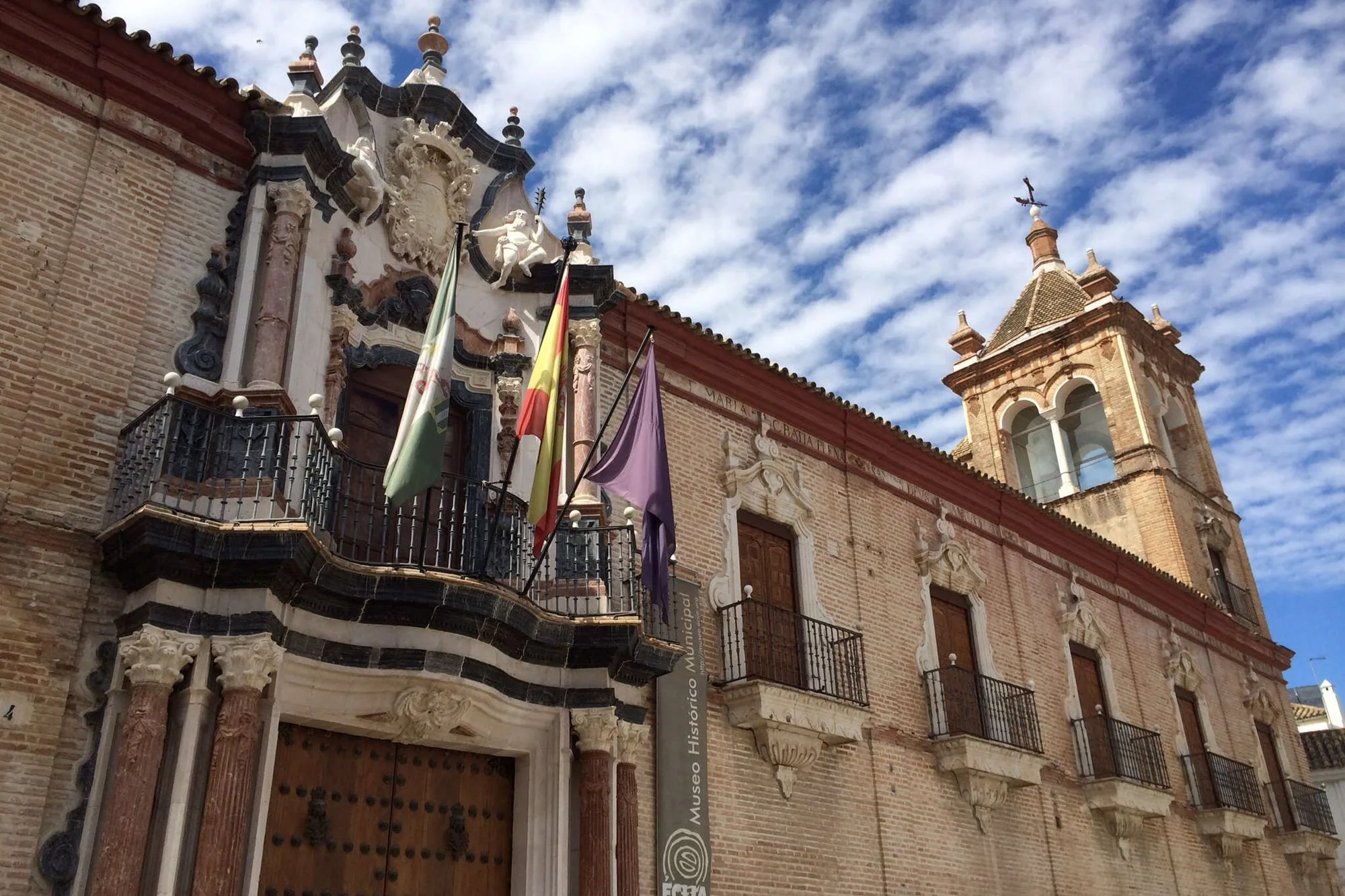
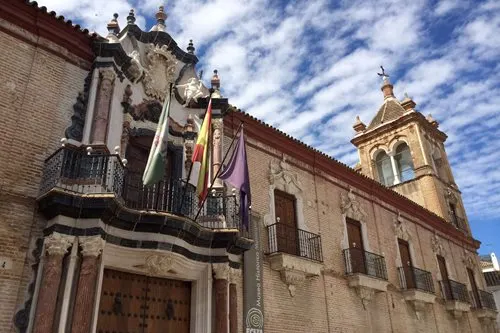
Der Palast der Markgrafen von Benamejí ist ein hervorragendes Beispiel für den Barockstil des 18. Jahrhunderts, der typisch für Écija und das südliche Andalusien ist.
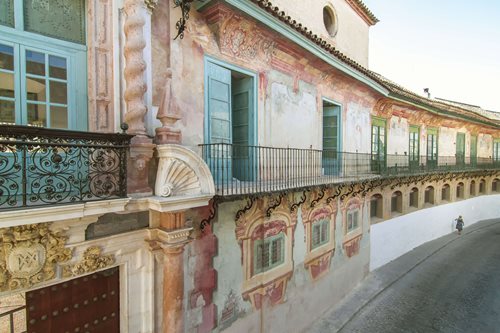
Der Palast der Marqueses von Peñaflor und Cortes de Graena, auch bekannt als der Palast der langen Balkone, ist eines der besten Beispiele für die barocke Architektur von Écija.