Cookie settings
We use our own and third-party cookies in order to offer our services, display videos, obtain statistics and offer personalized advertising.
For more information, please read our cookies policy.
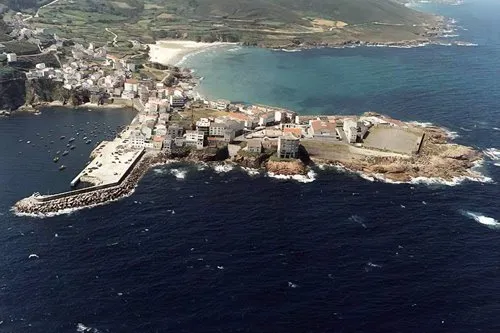
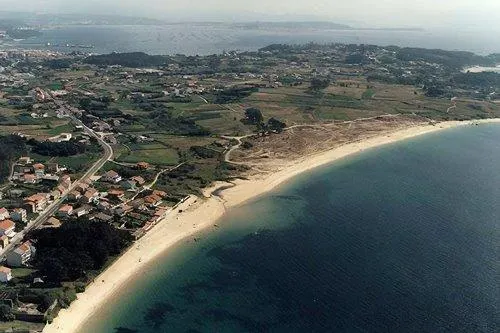
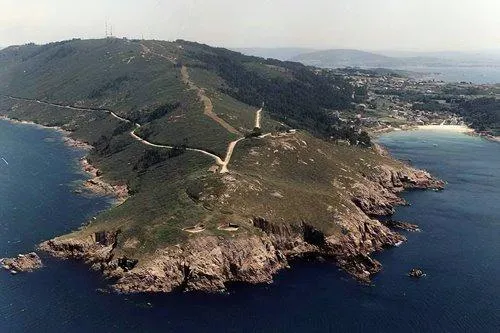
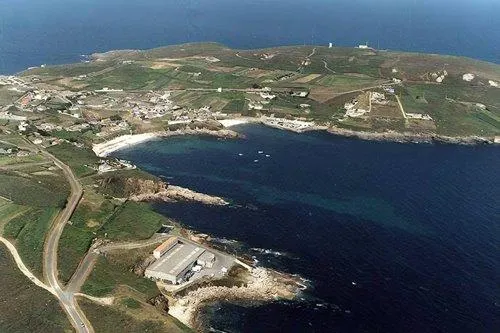
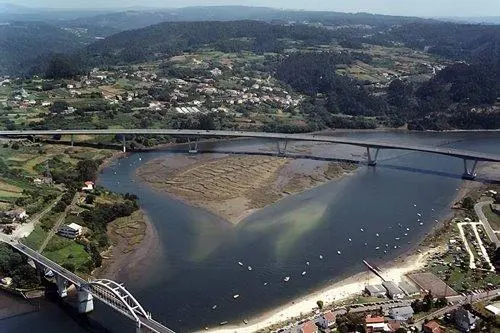
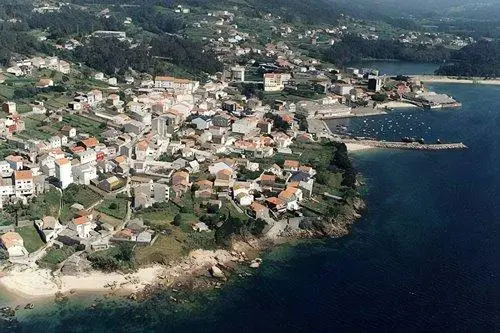
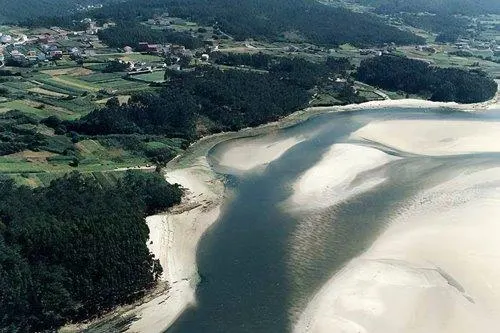
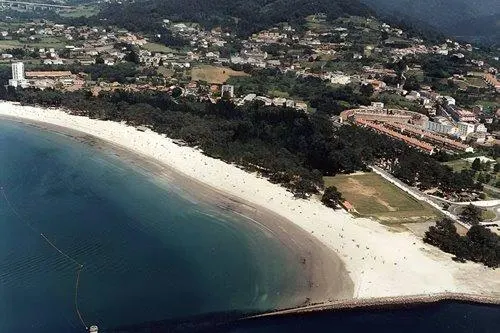
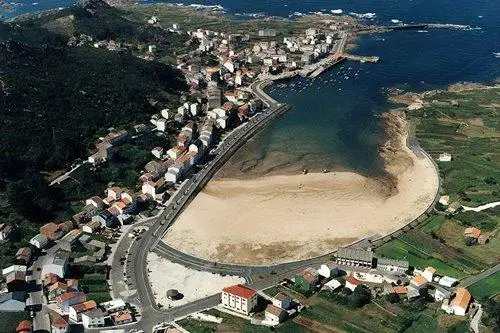
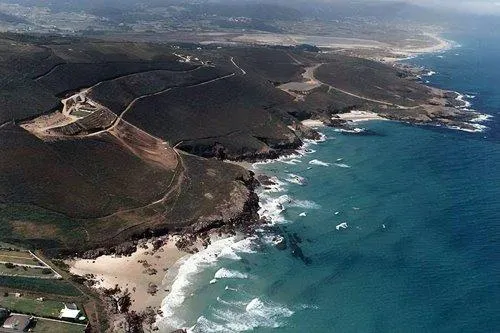
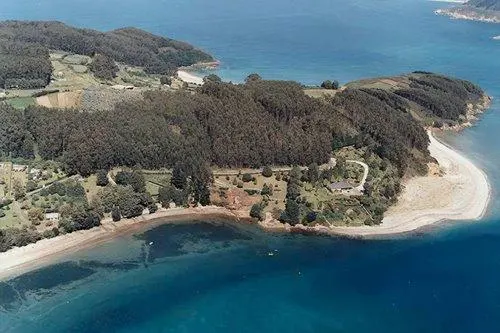
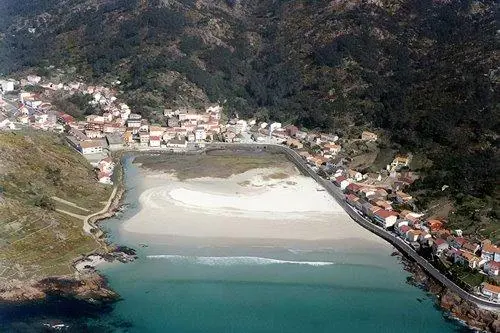
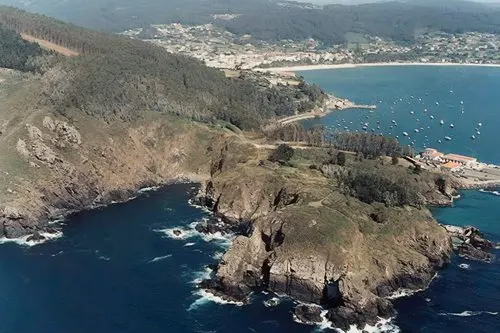
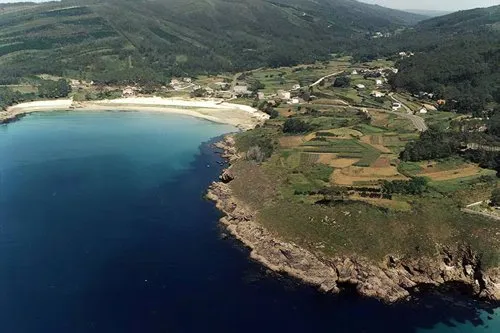
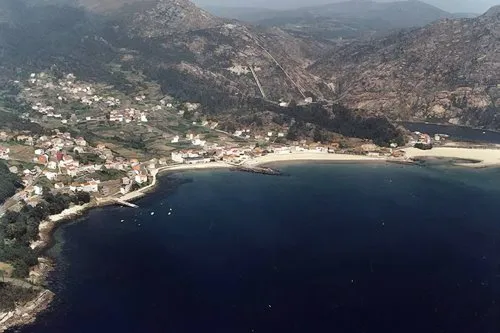
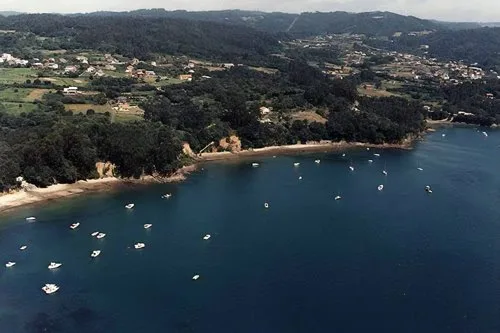
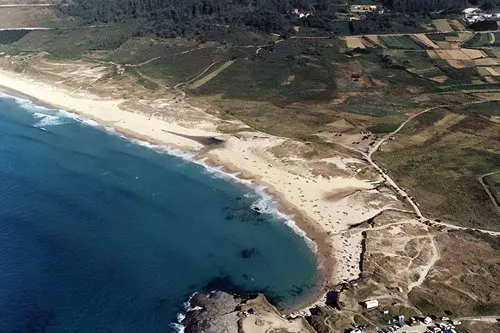
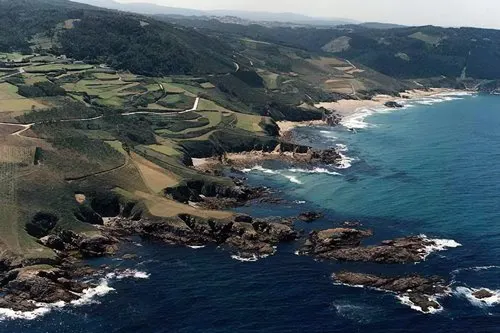
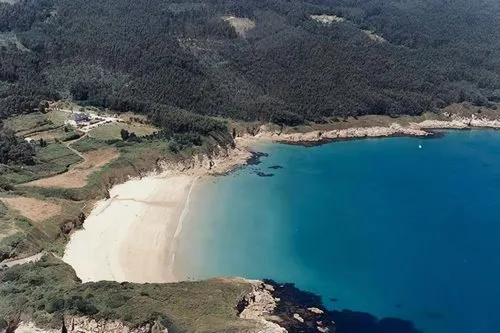
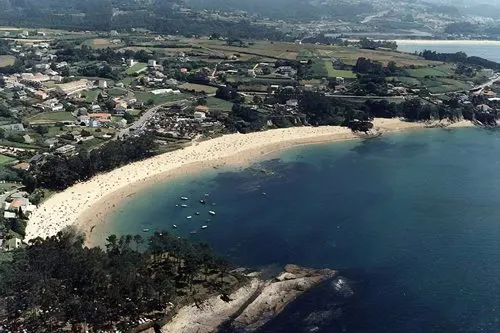
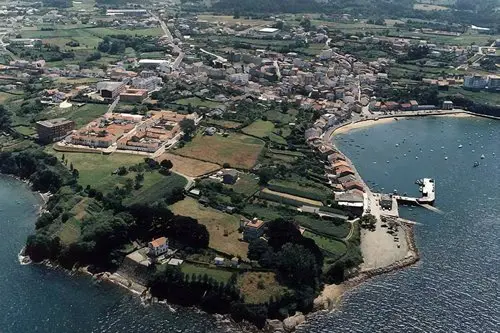
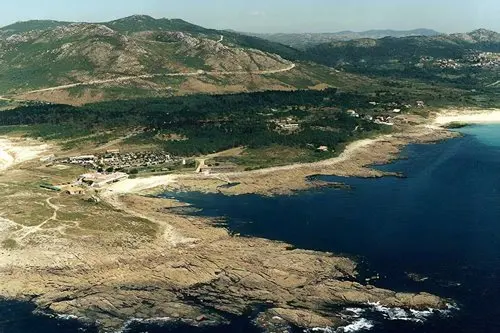
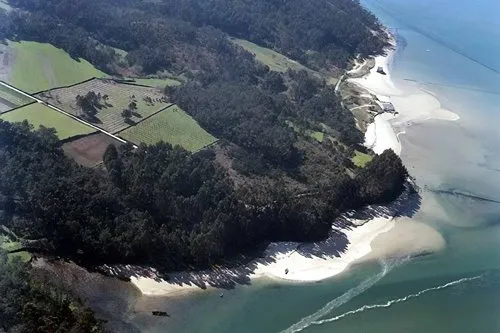
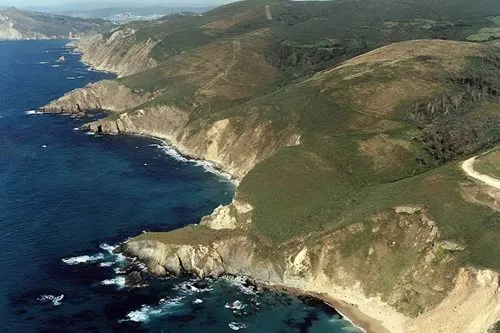
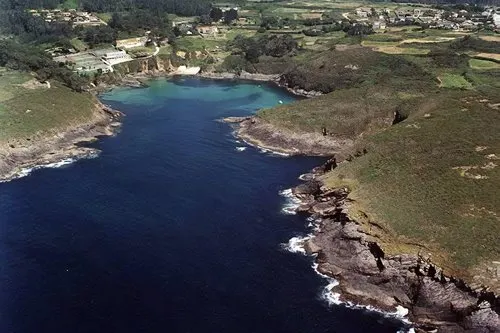
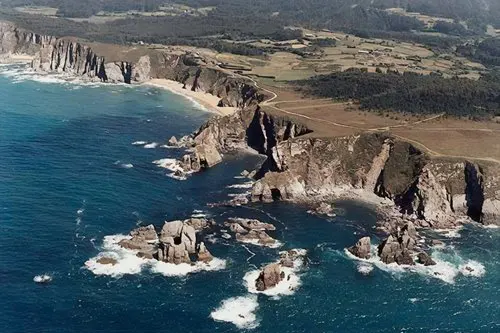
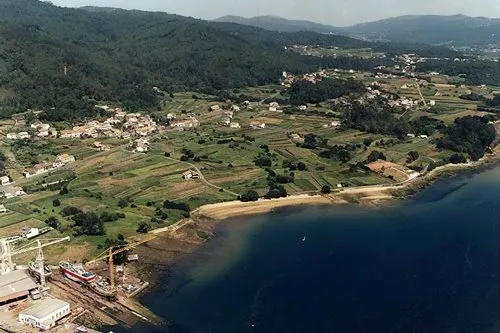
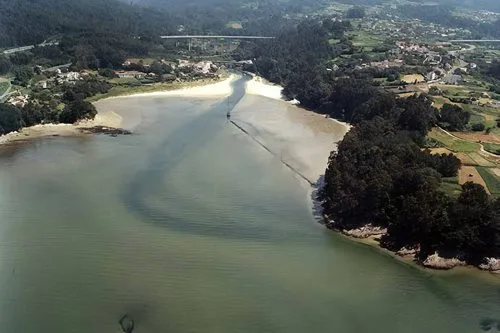
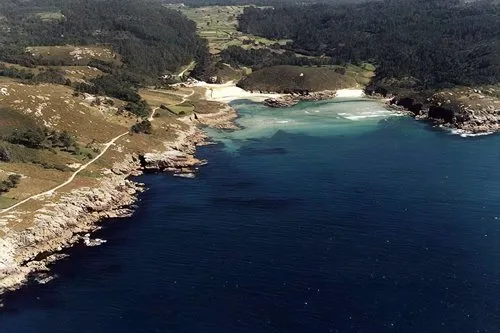
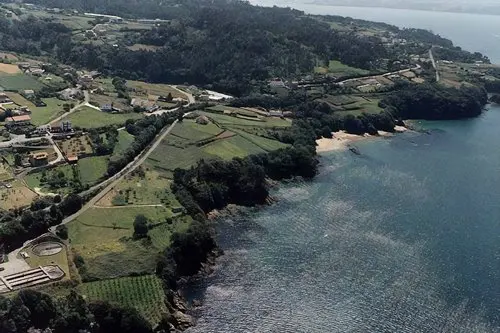
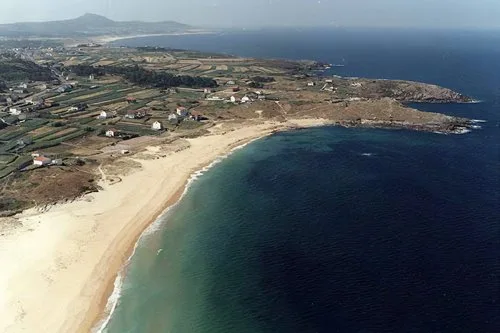
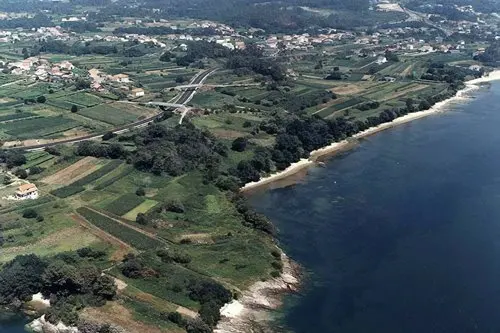
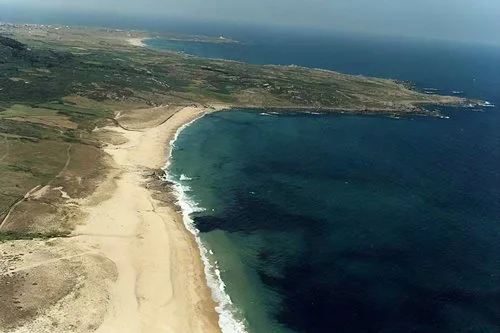
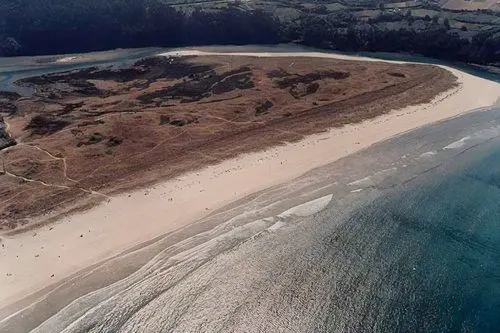
The province of A Coruña is located in the far northwest of the country, and the greenery of its natural surroundings is due to the amount of rainfall it receives each year as a result of Atlantic fronts. Its natural environment includes the Costa da Morte, named for the dangers posed by its cliffs and the strong storms that batter the coast. On the other hand, stunning underwater scenes, dune beaches, and beautiful fishing towns can also be observed here. Other places in the natural landscape of A Coruña include the As Mariñas Coruñesas e Terras do Mandeo Biosphere Reserve, the Fragas do Eume, and the Corrubedo Dunes Natural Park and the Carregal and Vixán lagoons. A Coruña and Santiago are the two most important cities in the province.
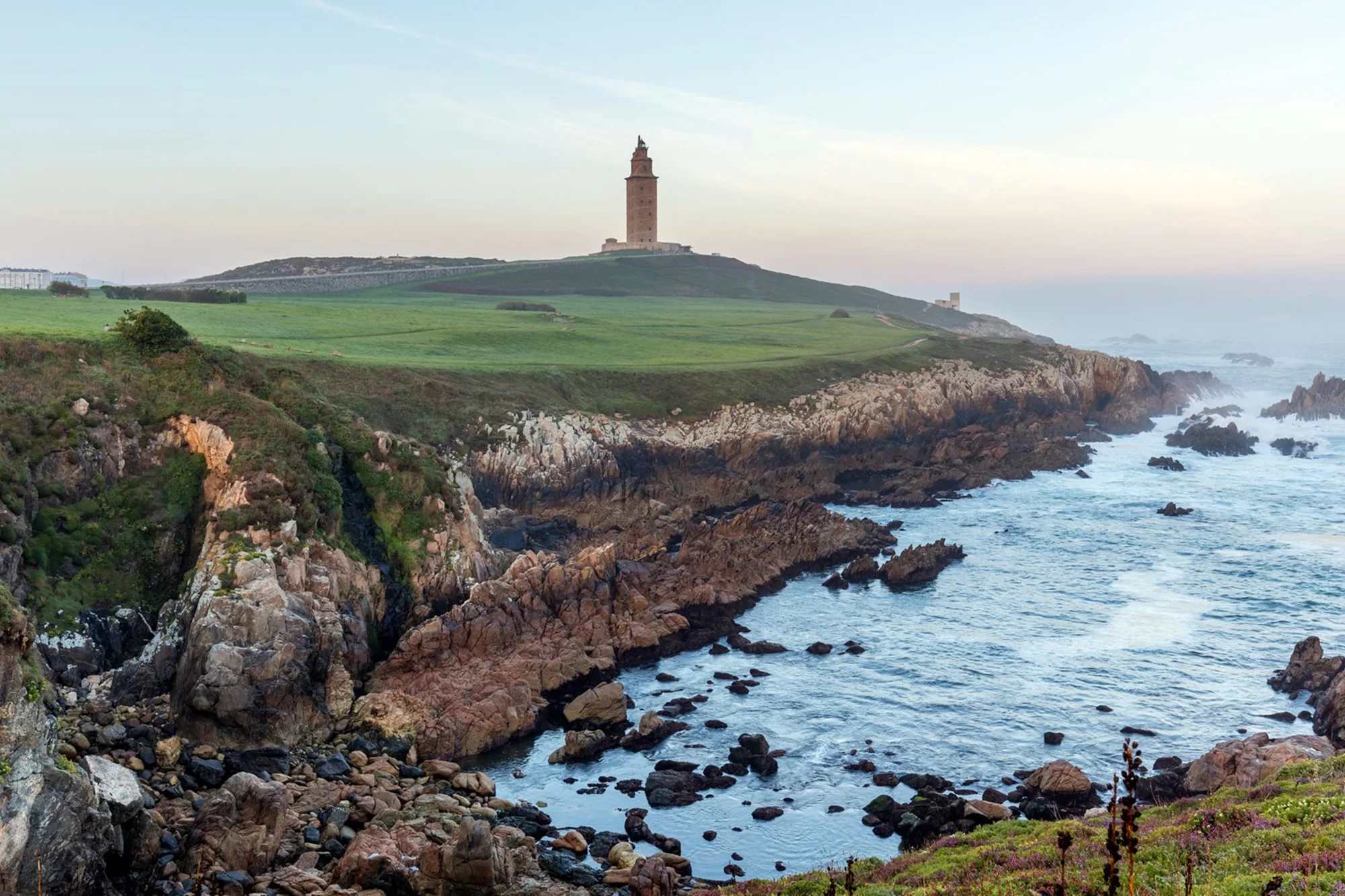
A Coruña is the capital of the eponymous province. The city was conquered by Emperor Julius Caesar in 62 BC, and he called it 'Brigantium'. The Tower of Hercules is one of the most emblematic structures in A Coruña and was erected by the Romans in the first century of our era. It is the oldest lighthouse in the world still in operation. The San Antón Castle dates from the 16th century and is located on an islet in the Bay of A Coruña. It was built with the purpose of defending the city from sea attacks. Another outstanding building in the capital of A Coruña is the Santa María del Campo Collegiate Church, constructed between the 12th and 13th centuries.
Santiago de Compostela, the capital of Galicia, is the pilgrim's final destination for venerating the relics of Saint James in the cathedral, at the Plaza del Obradoiro. The city has a historic quarter declared a World Heritage Site. The Praza das Praterías, where the Casa del Cabildo is located, or the Mazarelos Arch, an ancient gate to Santiago, are some of the city's most significant places.
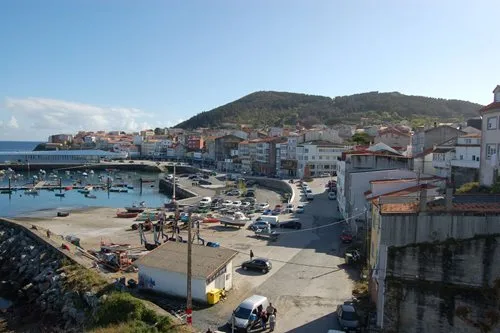
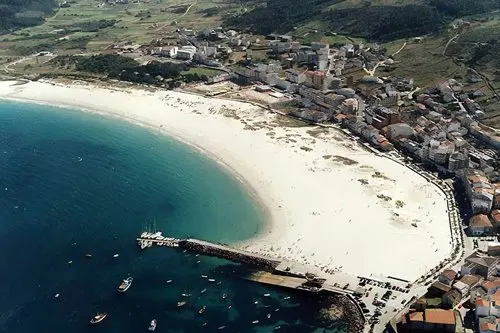
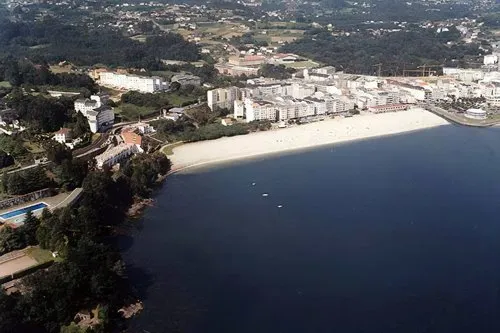
Corcubión, a lovely town on the Costa da Morte declared, like the town of Betanzos, a heritage and artistic complex, are two of the most beautiful places in A Coruña. Noia, in turn, is a small coastal town in the Rías Baixas whose San Martiño church is one of the finest examples of marine Gothic. Arteixo, with its magnificent beaches, and Ferrol, a town by the sea where strolling through the Magdalena neighbourhood is an unforgettable experience, join the beauty of the marine porticoes of Muros buildings.
Galician gastronomy is one of the best in Spain. In A Coruña, we can enjoy delicious seafood, superb Galician beef, and fish-based recipes such as monkfish stew.
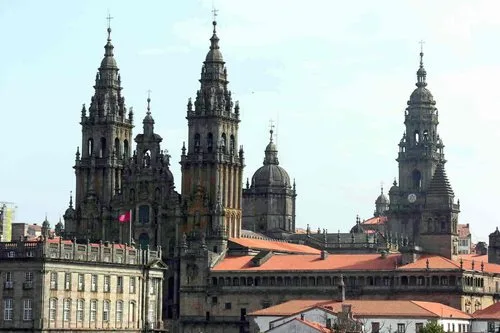
Declared a World Heritage Site, it is the destination for thousands of pilgrims who set out on the journey each year. Its cathedral houses treasures like the Pórtico de la Gloria. Santiago has monasteries and pilgrim hospitals intended to accommodate travellers. The house of the Dean and the house of the Chapter are also places of historical and artistic interest. The Galician Centre of Contemporary Art is one of Santiago's museums, which also offers restaurants and taverns where one can enjoy products such as seafood or Galician beef.

Book your hotel