Cookie settings
We use our own and third-party cookies in order to offer our services, display videos, obtain statistics and offer personalized advertising.
For more information, please read our cookies policy.
Amid a cluster of mountain ranges and rocky formations, next to the Mediterranean Sea, lies the city of Castellón de la Plana.
The occupation of the area dates back to the Neolithic period. This is known because various remains have been found in the surroundings of the Desert of the Palms natural park indicating this. However, no remains or traces have been discovered in the current city. Iberian and Roman artefacts, ceramics, or constructions have been discovered in districts of the city such as the Grao.
From the Islamic period, the population spread throughout the plain. After a few years of disputes with the Kingdom of Aragón and various armed conflicts in which El Cid himself even intervened, King James I conquered the territories of Castellón. The reality is that Castellón de la Plana would be born as such in 1251, when James I of Aragón authorised the creation of the current municipality. From that moment, urban expansion was really rapid. In fact, in the 18th century a general reform of the urban layout was undertaken in which the old walls were demolished to improve connections with the suburbs that had emerged outside the walls.
The heritage of Castellón de la Plana, due to its particular origin, is truly iconic. It is worth noting how it is increasingly being appreciated, as it has generally been underestimated.
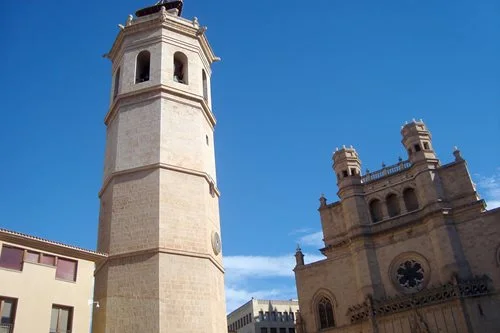
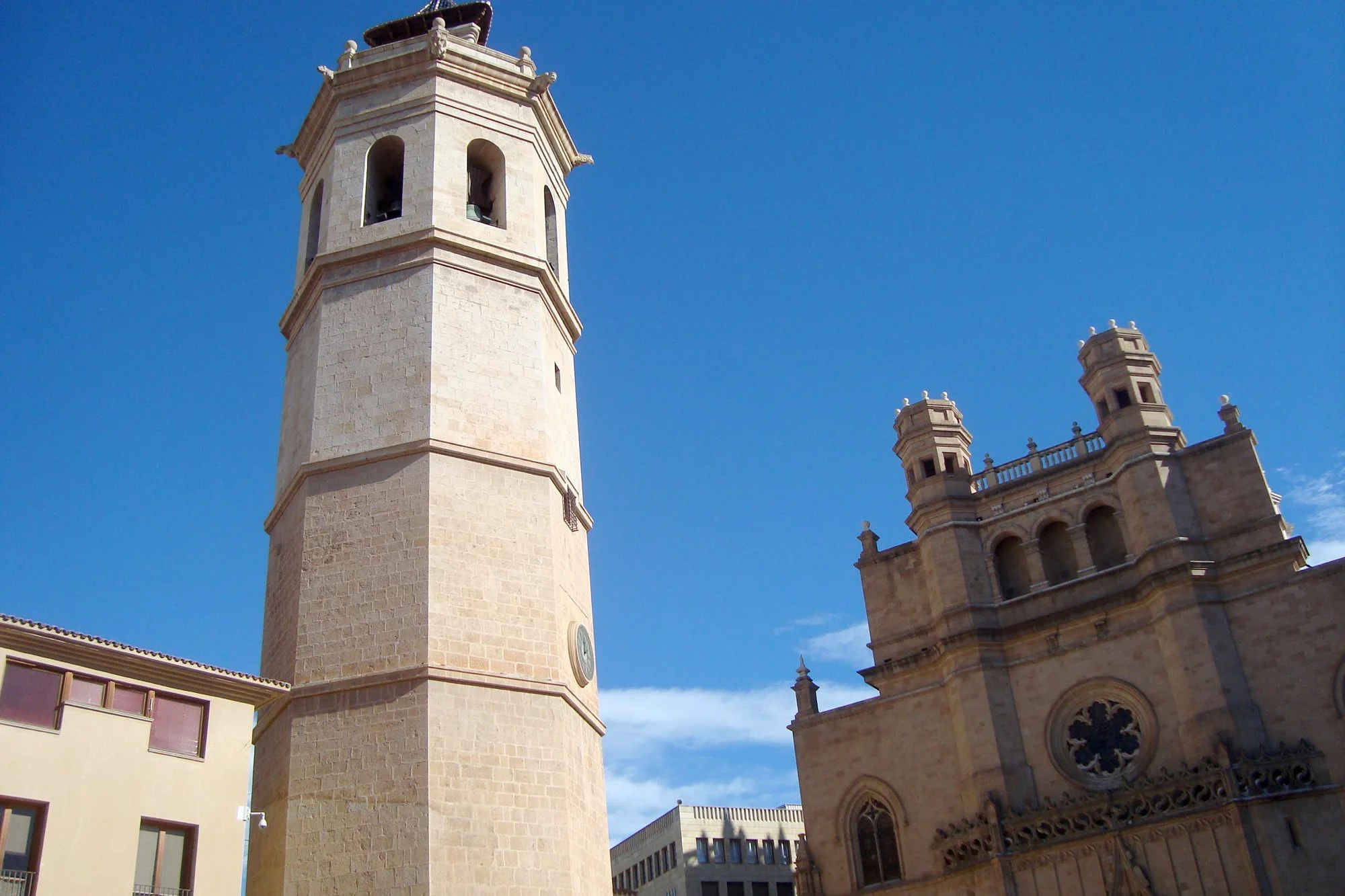
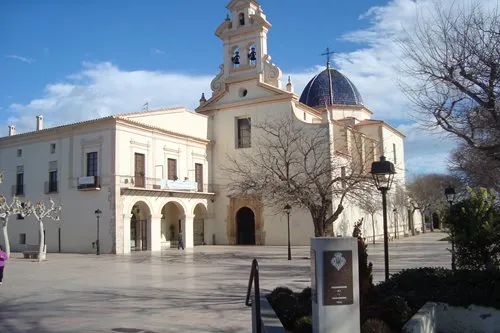
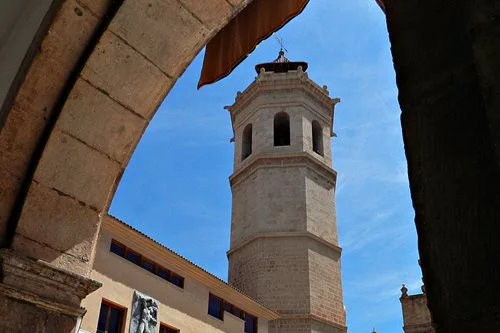
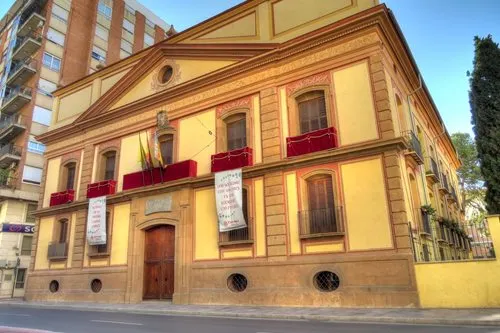
The most notable include the Basilica of the Mother of Déu de Lledó and the Co-Cathedral of Santa María. Although undoubtedly the major icon is El Fadrí, a bell tower located in the Plaza Mayor. The building of the Municipal Palace, now Town Hall, is also very well known. On the other hand, the Episcopal Palace and the Lonja are also noteworthy. In general, all these buildings date from the 16th to the 18th centuries. This is because it was the moment when the urban development of a city that was really young at that time took place. Within the municipal boundary, the remains of the Ermita de la Magdalena are also prominent.
At the same time, Castellón de la Plana boasts a unique natural setting within its boundaries

Book your hotel
Things to do
Currently, we do not have any companies with activities in Castellón de la Plana.
Do you have a company that offers guided tours, events, shows, active tourism and outdoor activities or other leisure and tourism activities in Castellón de la Plana? Contact us and we'll explain how to include these services for free.