Cookie settings
We use our own and third-party cookies in order to offer our services, display videos, obtain statistics and offer personalized advertising.
For more information, please read our cookies policy.
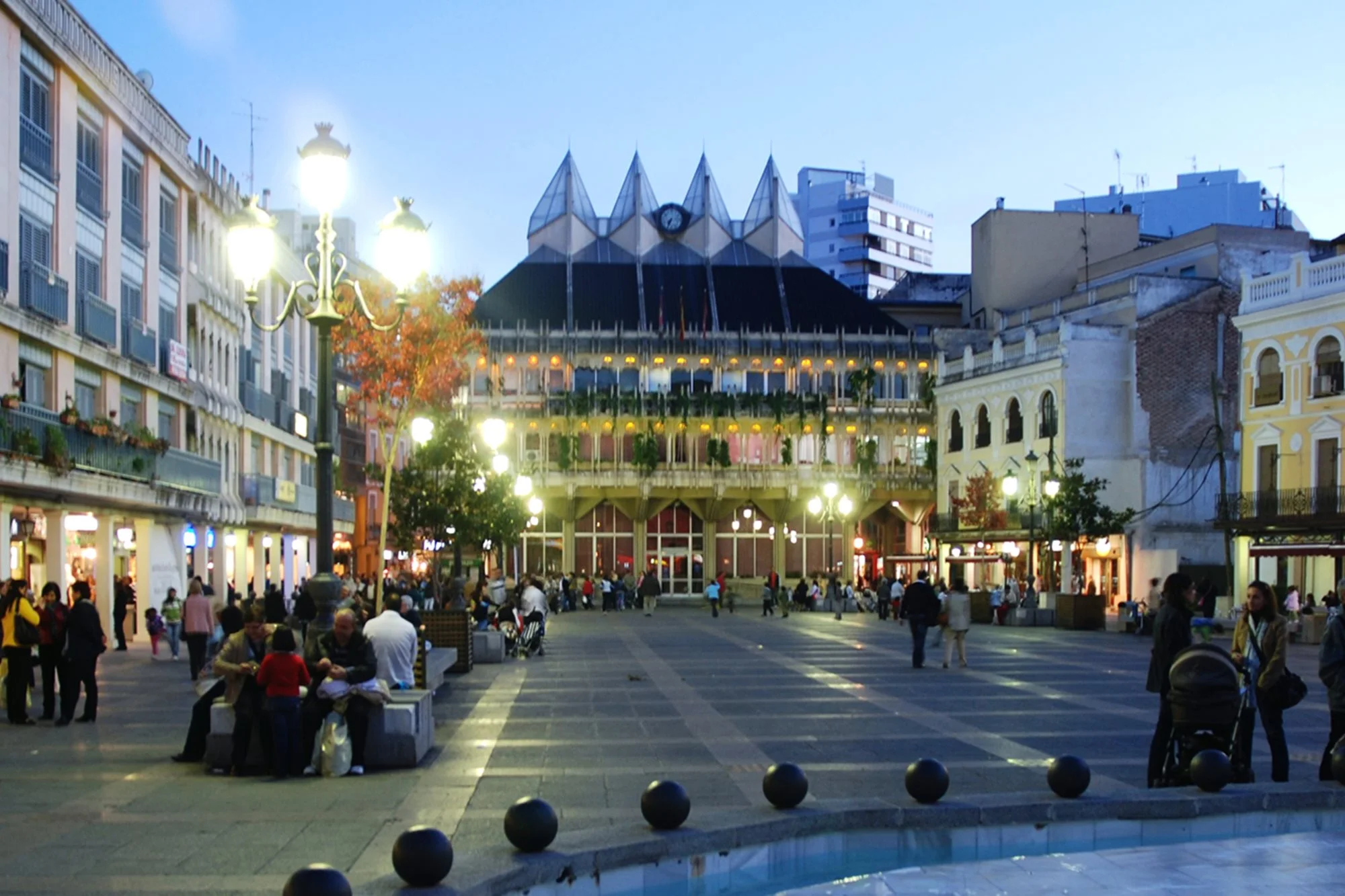
Popularly known as "the capital of La Mancha" due to its former status as a capital, Ciudad Real is a hub with a truly unique history.
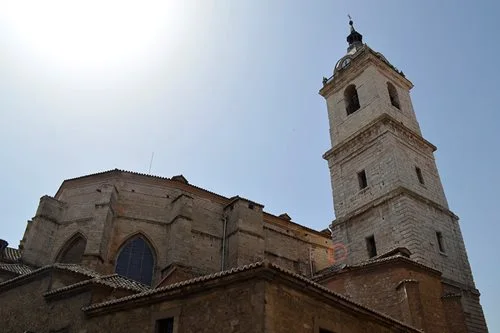
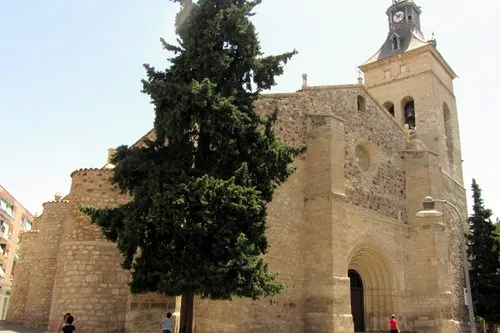
The origins of Ciudad Real are truly fascinating. Its history should be linked to that of the old villa of Alarcos. A settlement that was attempted to be repopulated by Castile in the 13th century. Faced with failed attempts to attract settlers, Alfonso X decided to establish a new city 9 km from Alarcos, in the village known as Pozuelo Seco de Don Gil. This new hub was named Villa Real. Its name changed to the current one in the time of Juan II, specifically in 1420. This was due to the support of its inhabitants for the monarch against the military orders that challenged his power. From this era dates the Church of San Pedro, a Gothic structure of great value.
Since its foundation, Ciudad Real experienced a period of splendour, being a vital political centre for Castile. In 1483, the Tribunal of the Inquisition was established in the city and from 1494 the Royal Chancery, the kingdom's main body of justice. In turn, in 1691 Ciudad Real was named the capital of the La Mancha region. In the following centuries, the city continued to be a crucial hub for peninsular communications.
Today, Ciudad Real offers a multitude of visitor attractions that reveal its unique history. An example would be the Alarcos Archaeological Park, a site combining Visigothic and Iberian remains with Muslim ones, just 8 km from the city centre.
Its surroundings are also highly valued for the numerous natural trails available. Highlights include routes passing by the Iron Bridge and several dedicated to stork observation.
Ciudad Real also boasts a significant gastronomic offer. Annual events such as the Regional Ham Cutting Championship, Wine Week or Tapearte Ciudad Real, showcase the importance placed on local cuisine and products.

Book your hotel
Things to do
Currently, we do not have any companies with activities in Ciudad Real.
Do you have a company that offers guided tours, events, shows, active tourism and outdoor activities or other leisure and tourism activities in Ciudad Real? Contact us and we'll explain how to include these services for free.