Cookie settings
We use our own and third-party cookies in order to offer our services, display videos, obtain statistics and offer personalized advertising.
For more information, please read our cookies policy.
The Granada town of Salar is located in the southern part of the Loja region. It is a small municipality with fewer than 3,000 inhabitants but possesses a series of heritage vestiges that make it one of the most historically rich places in the province.
To understand the etymology of its name, we must go back to the Romance language, specifically the word "Sall", from Latin "Sallere". A concept that would describe a rugged, complex, ravined terrain. Some experts such as F.J. Simonet interpret its origin as stemming from the Arabic "al sal", meaning inhabited house.
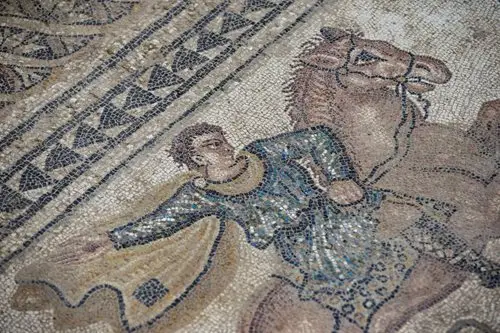
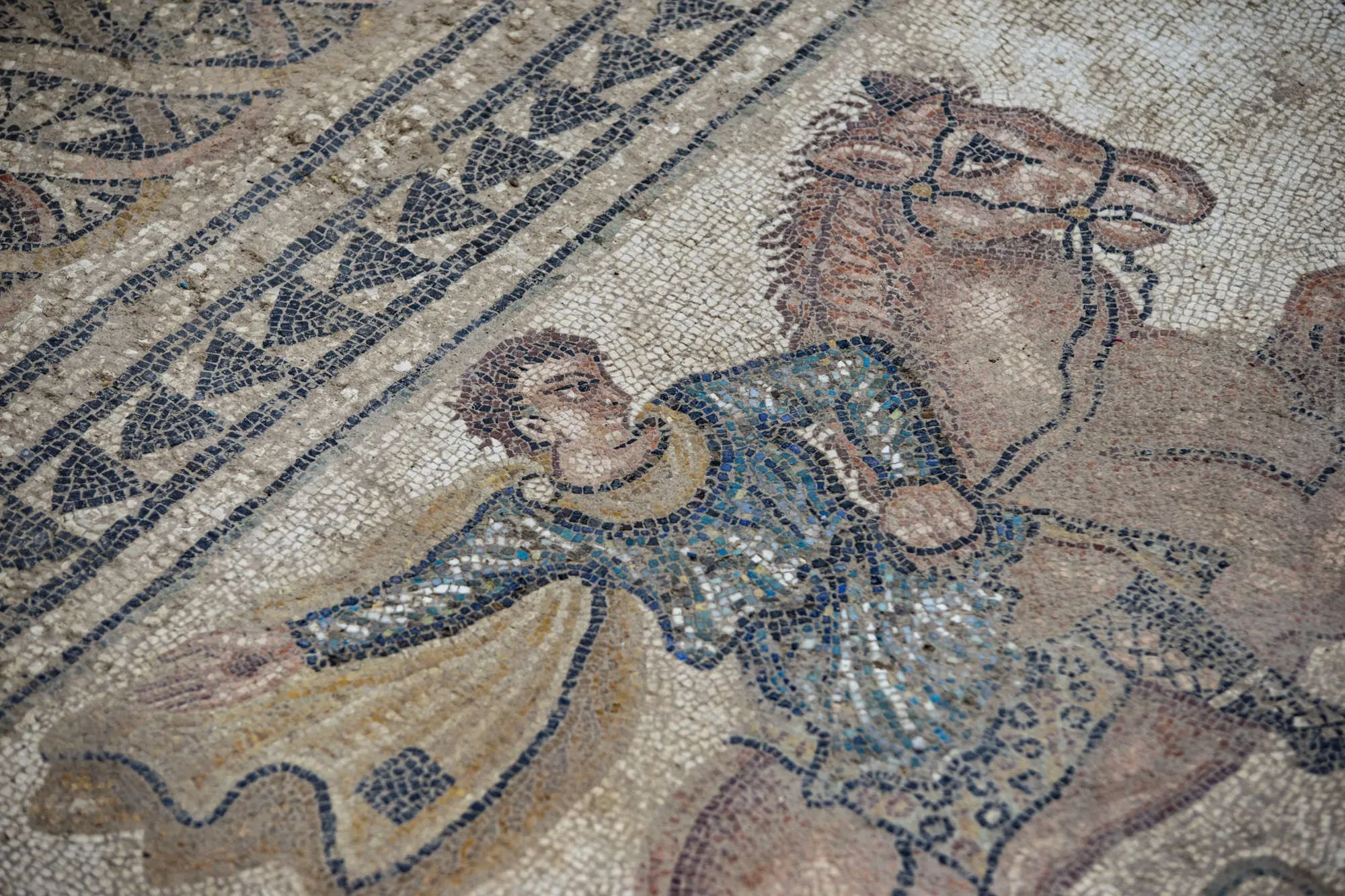
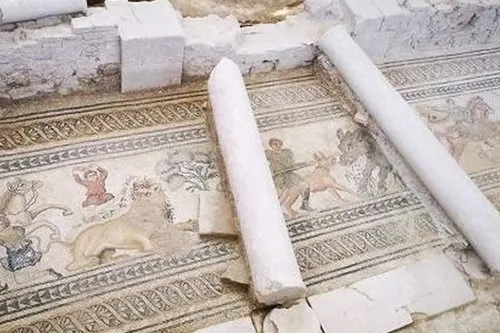
Salar was occupied since the late Neolithic, a period from which a series of vestiges such as arrowheads or ceramic remains have been found in the so-called Cuevas del Tajo Cartamal. Following this period, Iberian occupation has been dated and later Roman in Cerro de Gabino and its surrounding area. The recently discovered Roman Villa has significantly revalued the area, being a testament to the incredible historical importance of the municipality.
With the Muslim occupation of the area, a series of watchtowers appeared throughout the region. In Salar, the one known as Torre de Salar, dating from the 13th century, stands out.
By the 15th century, with the Castilian conquest, Hernán Pérez del Pulgar y Osorio founded the manor of Salar by royal concession. From this moment on, their descendants were significant figures for the town.
Salar is also notable for being one of the few towns in Spain that preserves its own Royal Livestock Fair. Additionally, the festivities of San Marcos on April 25th and those of Santiago Apóstol and Santa Ana on July 25th and 26th are significant.
Book your hotel

7 reviews
Visit one of the most important Roman villas from ancient Hispania in Salar, a village in Granada.
An expert will take you to discover the archaeological site and unique sculptures, such as the Venus Púdica Capitolina. You’ll also visit the Visitors’ Centre, where you’ll experience at first hand the original Villa and the wealthiest Roman society, like the family that lived in this villa.