Cookie settings
We use our own and third-party cookies in order to offer our services, display videos, obtain statistics and offer personalized advertising.
For more information, please read our cookies policy.
Capital of the Segrià district, the city of Lleida is the second Catalan capital with the highest number of inhabitants after Barcelona.
The origins of Lleida take us back to the Bronze Age. From the 6th century BC, the area was occupied by the Ilergetes, an Iberian tribe residing in a settlement called “Iltirta”. With the arrival of the Roman regions, the area was conquered, receiving the name “Ilerda”. The Visigoths took over the area from the 4th century until the year 714, when it was invaded by the Muslims. This marked the beginning of a conflictual period for Lleida, partly due to continuous attacks by the Franks. In 1149, the city surrendered to the Christian troops of Ramón Berenguer IV of Barcelona. The subsequent centuries were marked by wars and epidemics that almost completely destroyed the city, especially after the War of the Spanish Succession. The city suffered another siege during the Napoleonic invasion and was bombed in the Civil War.
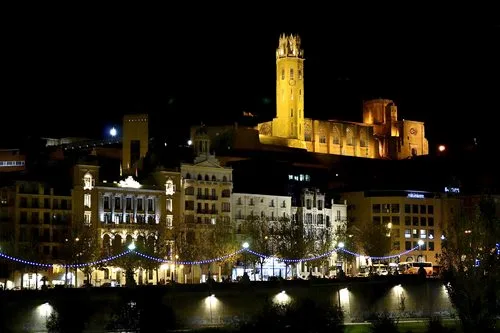
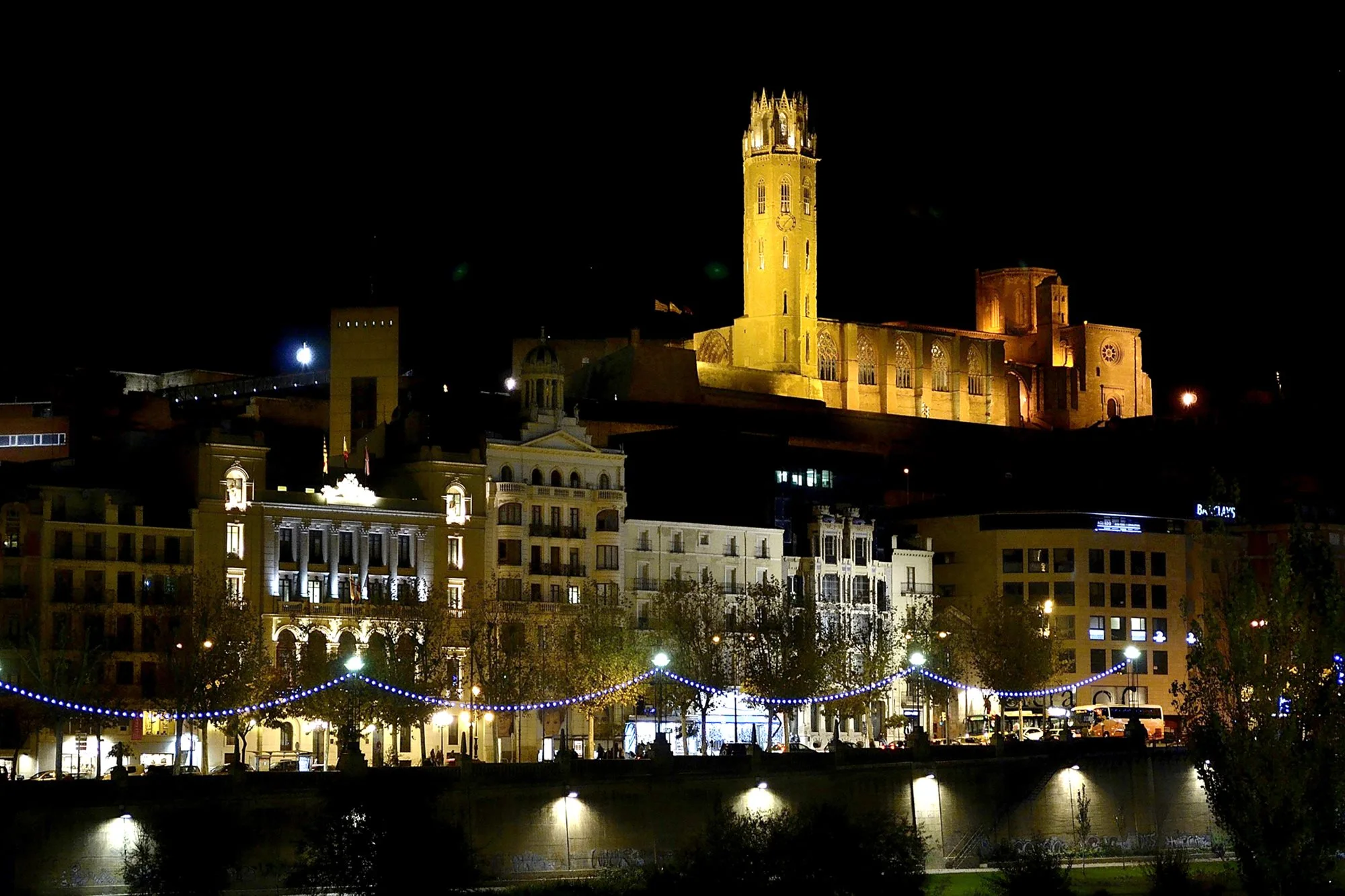
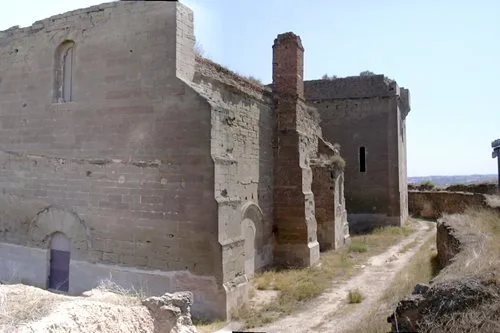
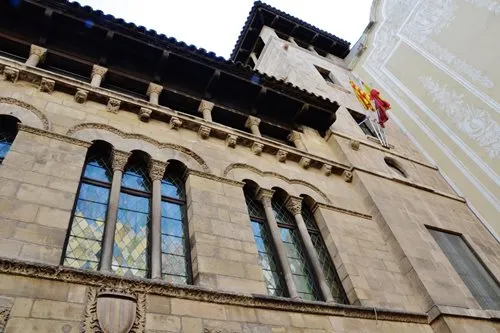
Despite the continuous conflicts the city endured, in the last century it has managed to expand and rebuild itself to become a hub of reference in Spain. Its history leaves us with sites like the Templar Castle of Gardeny, dating from the 12th century, or the Andalusi Castle of La Suda. Also the Palace of Paeria, a Romanesque complex that has been restored and refurbished and now houses the Municipal Archive. Finally, mention the Old Cathedral, which was originally a paleochristian temple, later becoming a mosque and finally a Christian building again.
Lleida boasts large green, natural spaces. Primarily, the banks of the Segre River have become a place of leisure and enjoyment. This, combined with its rich gastronomy, makes Lleida an ideal spot for inland getaways.

Book your hotel
Things to do
Currently, we do not have any companies with activities in Lleida.
Do you have a company that offers guided tours, events, shows, active tourism and outdoor activities or other leisure and tourism activities in Lleida? Contact us and we'll explain how to include these services for free.