Cookie settings
We use our own and third-party cookies in order to offer our services, display videos, obtain statistics and offer personalized advertising.
For more information, please read our cookies policy.
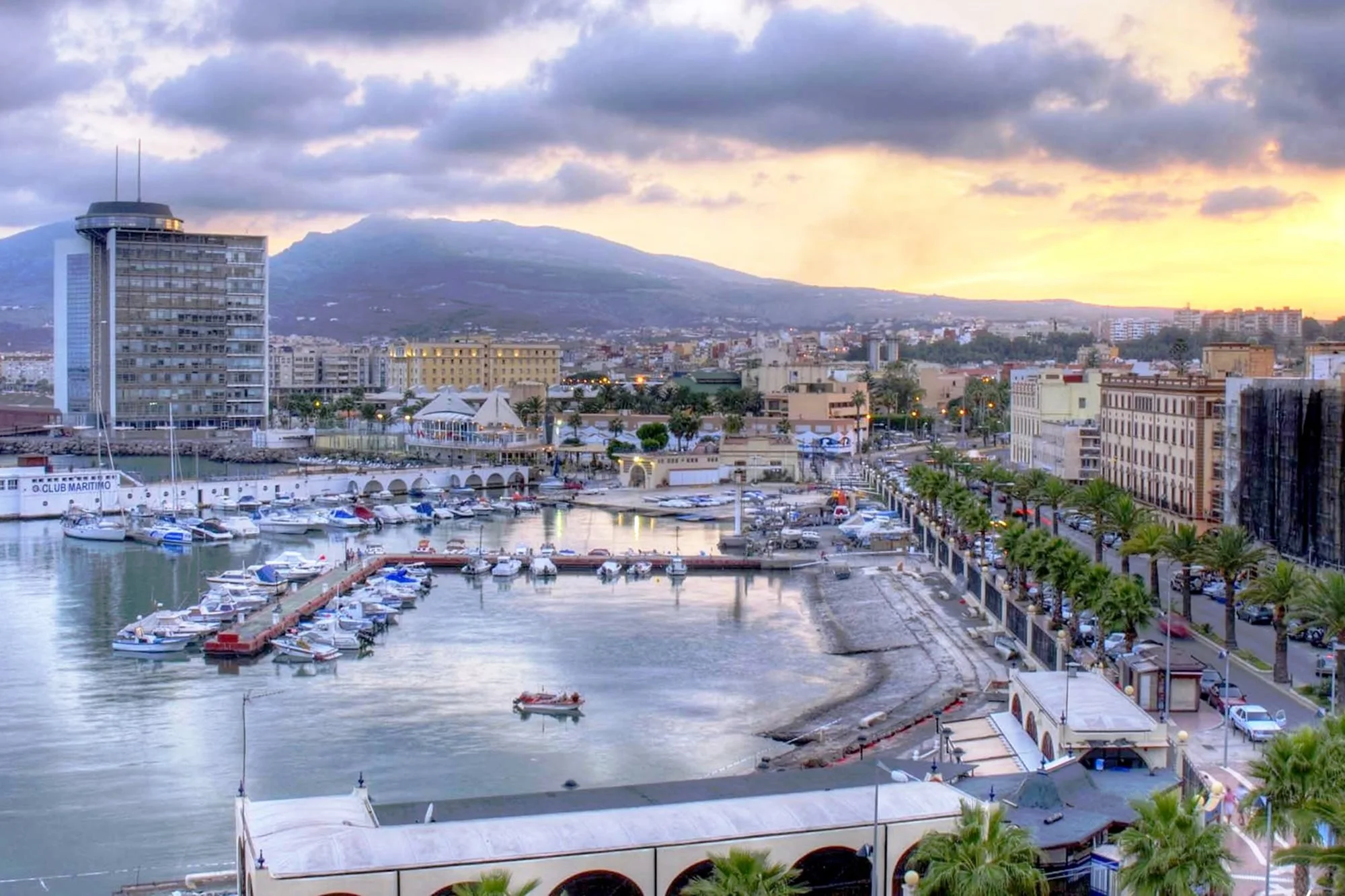
The autonomous city of Melilla stands out for being, together with Ceuta, one of the two Spanish territories located on the African continent. The city is situated on the Tres Forcas cape, in the heart of the Rif region.
Its history is very similar to that of Ceuta. Its origins date back to the 8th century BC, when it became a Phoenician trading post. Later, in the 2nd century BC it became part of Roman territory. After the barbarian invasions and the fall of the Roman Empire, it ended up being controlled by the Umayyad Caliphate until the Castilian conquest. Like Ceuta, it had to be heavily fortified against first Berber attacks and later British attacks. Its borders were not fixed and agreed upon with Morocco until the 19th century, when Isabel II signed the Treaty of Wad-Ras.
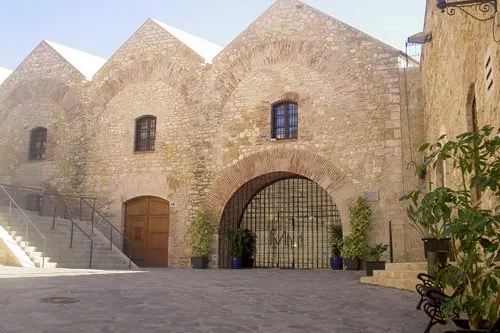
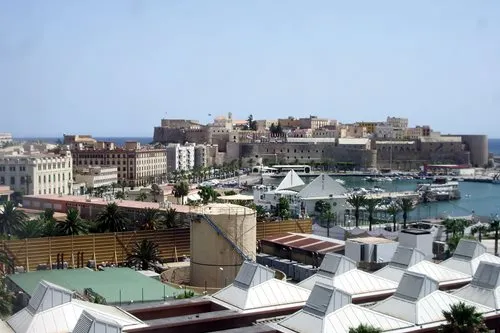
From all this period, we have been left with a truly incredible heritage. The citadel known as “Melilla la Vieja” stands out, a large defensive walled structure dating from the 16th century. In addition, “Melilla la Nueva” is worth mentioning, an extension of the city dominated by modernism. This modern area is composed of iconic buildings such as the Fort of Camellos, the Fort of Reina Regente, the Fort of Cabrerizas Altas, or the Fort of Rostrogordo. In both cases, both Melilla “la Vieja” and “la Nueva” were declared as a Cultural Interest Site in 1986, forming the Historical Complex of Melilla.
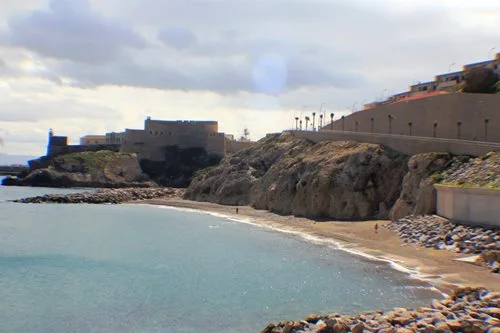
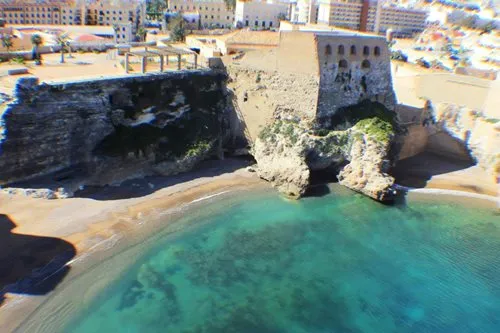
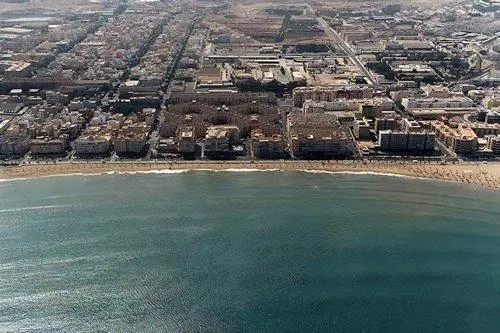
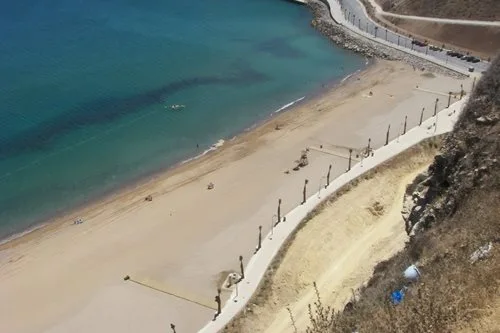
Its impressive beaches are also a great tourist attraction. Notable are the beach of the Alcazaba and the Ensenada de los Galápagos.

Book your hotel
Things to do
Currently, we do not have any companies with activities in Melilla.
Do you have a company that offers guided tours, events, shows, active tourism and outdoor activities or other leisure and tourism activities in Melilla? Contact us and we'll explain how to include these services for free.