Cookie settings
We use our own and third-party cookies in order to offer our services, display videos, obtain statistics and offer personalized advertising.
For more information, please read our cookies policy.
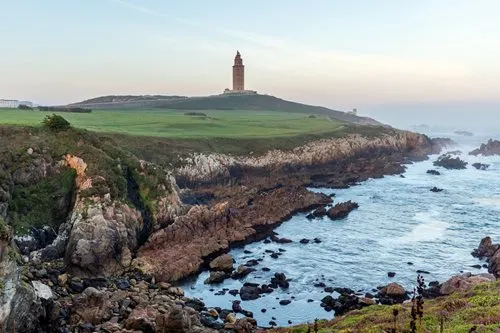
A Coruña is notable for its coastline of impressive cliffs and idyllic beaches, its important monuments, and for having some of the best gastronomy in Spain. Santiago de Compostela is the endpoint of the pilgrimage for those who come to its cathedral to revere the relics of the apostle. In the province, one can visit the natural areas of the Fragas do Eume and the Dunes of Corrubedo.
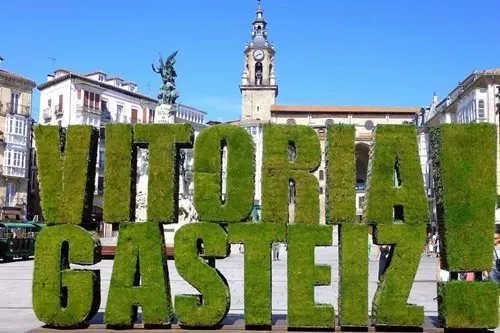
Álava boasts a beautiful natural environment throughout the province, famous for its delicious cuisine of pintxos and Basque wines. The urban centre of Vitoria has lovely streets, Renaissance palaces, and two cathedrals. In its enclave of gardens and wide avenues, you will find very important buildings. Every summer, the city celebrates the Vitoria Jazz Festival and hosts the most important artists of the genre.

The appeal of the province of Albacete is founded on the cultural heritage of towns such as Alcalá de Júcar or Almansa and the natural parks of Lagunas de Ruidera and Calares del Río Mundo. In addition to this, there is the modernity of its capital, which is evident from its inexhaustible leisure offerings, its large parks and buildings, and the atmosphere of its streets.

Book your hotel
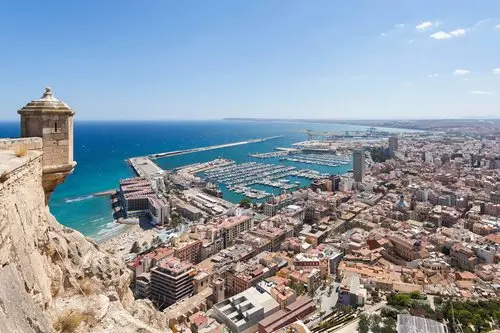
Alicante is situated at the foot of the Santa Bárbara castle. The tranquil, warm waters of the Costa Blanca wash over the entire province. The Elche palm grove, declared a World Heritage site, and the charming island of Tabarca, just a few minutes by boat from Alicante, are two of the most special places in the province along with areas like the Santa Pola Salt Flats. Alicante's cuisine is based on rice cooked in various ways, nougat, and Jijona ice creams.
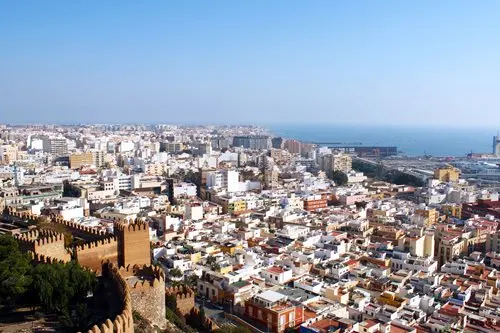
What makes Almería a fascinating province is the Cabo de Gata-Níjar natural park, with pristine beaches perfect for diving and a great diversity of flora and fauna. In the interior of the province lies the Tabernas desert, one of the most impressive in Spain and the setting for some of the best westerns in film history. Its capital boasts important monuments and sites that help to understand the history of the Mediterranean city.

The beauty of Asturias is partly due to the magnificent natural surroundings of the lakes of Covadonga in the Picos de Europa; and to its coastline of peaceful beaches, with seafaring towns full of history such as Ribadesella or Gijón. Oviedo has an important cultural heritage, with pre-Romanesque art standing out. Fabada, cider, or Cabrales cheese are some of the typical products of Asturian's rich gastronomy.
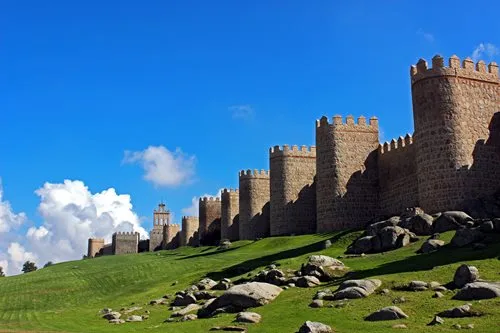
Ávila, declared a World Heritage Site, is famous for having one of the best-preserved walls in Europe. Additionally, it boasts many other sites such as renaissance palaces and museums. The province possesses a great historical and artistic heritage founded in its Romanesque temples and in the Mudejar architecture of Arévalo. Another of Ávila's great attractions is its gastronomy: its steaks and the roast suckling pig and lamb are famous internationally.

The cultural heritage of Badajoz rests on its medieval past. In Mérida, the great Roman architectural heritage still reflects the city's glory from those days. Every summer, the Mérida Classical Theatre Festival is held in its Roman theatre, the best-preserved in Europe. The Cornalvo natural park, with its Roman dam, is another of the major attractions of the Extremadura province.
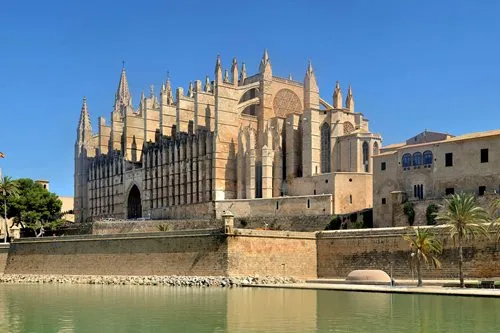
The islands of Mallorca, Menorca, Ibiza, and Formentera, with their turquoise coves and white sandy beaches, boast beautiful historic quarters and a cuisine based on the Mediterranean diet. Baleares offers a wide range of nightlife: Ibiza is home to some of the best clubs in the country. Along with the fantastic coves of the islands, there is a beautiful natural environment formed by places like S'Albufera or the Caves of Drach.
Find a beach
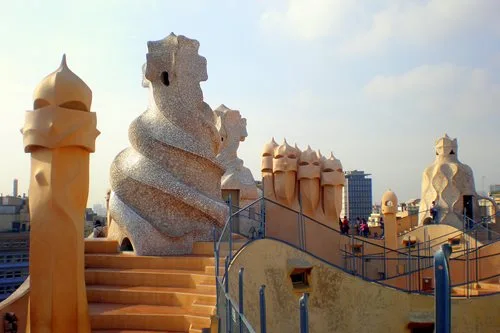
The province of Barcelona boasts a great historical and artistic heritage: monuments, districts, and architectural works of Catalan Romanesque and artists such as Dalí or Gaudí. The capital is a vibrant city with a great cultural offer of museums, exhibitions, concerts, etc. Its charm lies in the cosmopolitanism that characterises it. The natural surroundings of Barcelona are formed by its coast, which has more than 100 km of beaches where we can find restaurants, bars, and pubs to have fun; and by three natural parks of great biological and landscape richness.
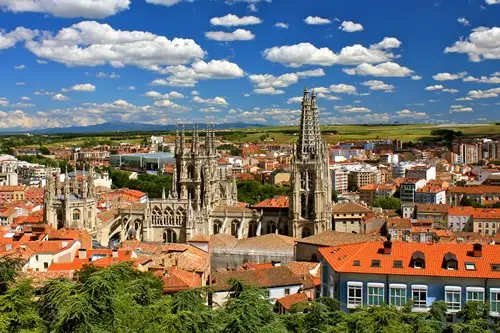
Fundamental for the study of human evolution thanks to the Atapuerca site, Burgos boasts a vast artistic heritage composed of temples and monasteries like that of Silos, a Romanesque masterpiece; in addition to the castles and medieval palaces spread throughout the province. In the capital city of Burgos, its cathedral stands out as one of the most beautiful Gothic cathedrals in the country. Burgos is also the birthplace of the Ribera del Duero designation of origin and a path of the Camino de Santiago.
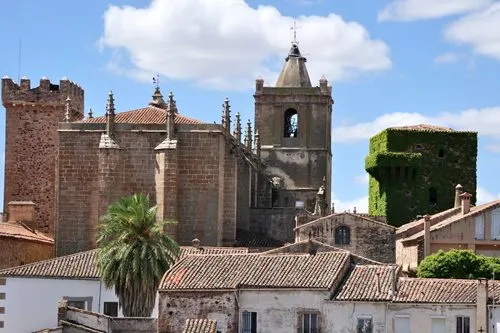
The Extremaduran province is rich in history, wines and hams. In its capital, the "old city" is a UNESCO World Heritage site, as is the Royal Monastery of Santa María de Guadalupe, with its Gothic-Mudéjar style, located in the town of the same name. The Jerte Valley offers a stunningly beautiful image of spring with its blooming cherry trees. The ancient Silver Road leads pilgrims to Santiago. The Monfragüe Natural Park is home to many bird species. Places like Trujillo or Plasencia boast significant artistic heritage.
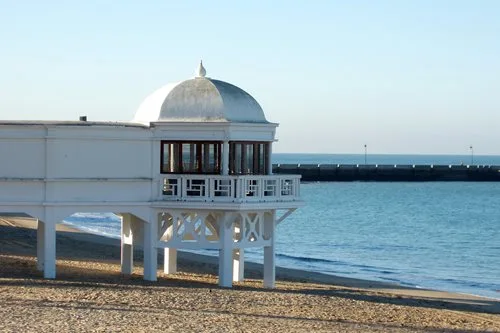
Known as the "Silver cup", Cádiz is famous worldwide for its carnivals. One of the main tourist attractions of Cádiz is its Costa de la Luz, with beautiful white sandy beaches, notably the town of Tarifa, a perfect spot for windsurfing enthusiasts. In the area, you can also visit the Roman ruins of Baelo Claudia. Also in the province, the route of the white villages and the natural environment of the Sierra de Grazalema make Cádiz a dream location.

The greenery of Cantabria is partly due to its natural surroundings, featuring beautiful natural parks such as Peña Cabarga and Saja-Besaya. Along the Cantabrian coastline, the towns of San Vicente de la Barquera and Laredo are noteworthy. The Altamira cave, in Santillana del Mar, is considered the «Sistine Chapel» of rock art and is a UNESCO World Heritage site. In Santander, the Sardinero area boasts luxurious period buildings along with beautiful squares and gardens.
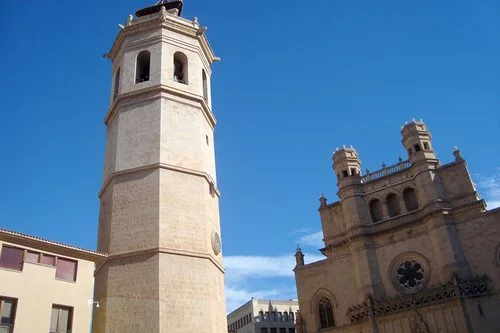
Its main attraction is its Mediterranean beaches. Its capital offers a wide range of cultural activities and gastronomy based on paella. In the province, the coastal town of Peñíscola and the Columbretes Islands natural park stand out. Morella is one of the most beautiful inland towns. The FIB is one of the most important cultural events internationally.
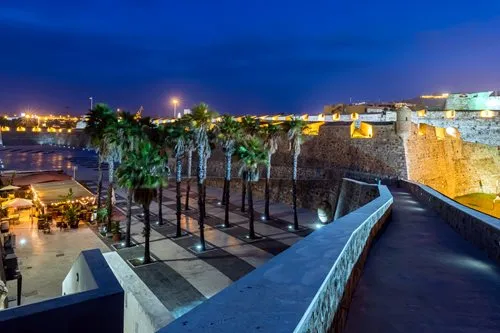
Across the Strait, Ceuta is one of the most unknown places. The African city offers a vast cultural and recreational selection based on its Mediterranean beaches where you can enjoy and practise water sports; and in the valuable modernist heritage of the city. The monuments and remains of its various settlers help trace its history.
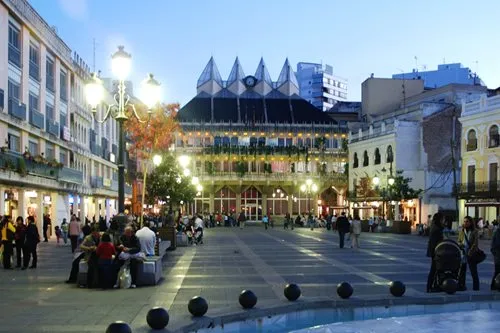
The province includes Almagro, famous for its International Classic Film Festival; or Villanueva de los Infantes, a historical and artistic complex. Its capital stands out for the blend of modernity of the current city with other monuments from different eras. Other attractions of Ciudad Real include its famous Manchego cheese and wines; not forgetting the natural environment of Las Tablas de Daimiel.
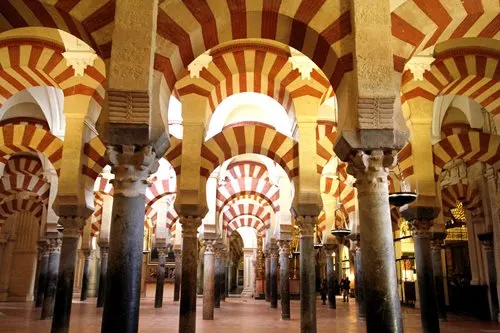
‘Moorish Sultana’ and also Jewish and Christian, Córdoba is internationally renowned for its mosque and for Medina Azahara. The province offers many cultural and leisure activities such as festivals and the beauty of the patios in May. Its natural surroundings are shaped by the Sierra de Hornachuelos, the Sierras of Cardeña and Montoro and villages like Zuheros. All of this, along with its significant Andalusian heritage, its Montilla-Moriles wines and its delicious cuisine of salmorejo and flamenquín, make Córdoba an essential destination.
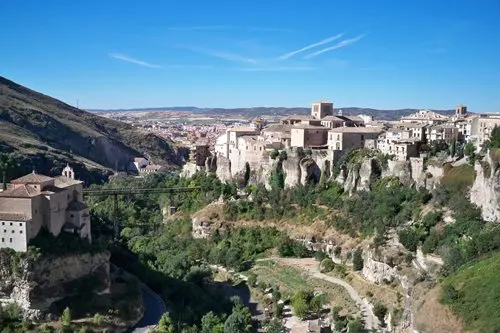
The Hanging Houses, perched on a rocky outcropping over the Huécar River, are the emblem of Cuenca, whose capital was declared a World Heritage Site. Its natural surroundings, the Cuenca mountain range, are home to the beautiful waterfall source of the Cuervo River and the Enchanted City, one of the most special places in the province along with the Roman ruins of Segóbriga or the castles of Belmonte or Alcorcón. In Cuenca's gastronomy, morteruelo, alajú, or resolí liqueur stand out among other products.

The Costa Brava, with its turquoise coves and significant archaeological heritage such as that of Empúries, is one of Spain's main tourist attractions. Girona is home to an important part of Catalonia's Romanesque architecture, with highlights including the Sant Pere de Rodes Monastery and the village of Pals. Its natural surroundings include the wetlands of the Empordà and the volcanic area of La Garrotxa. In the capital, its walled old quarter and the monumental cathedral stand out.
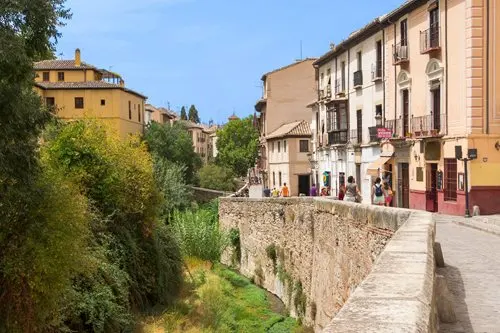
Granada is universally known for the Alhambra and its tapas cuisine. The Albaicín and Sacromonte are its most emblematic neighbourhoods, and Sierra Nevada is one of the best spots for winter sports. The capital has an important cultural and leisure agenda. The Science Park is the only interactive museum of its kind in Andalusia. Halfway between Sierra Nevada and the coast, whose excellent climate makes it possible to enjoy its beaches at any time, is La Alpujarra, a region with a great historical heritage.
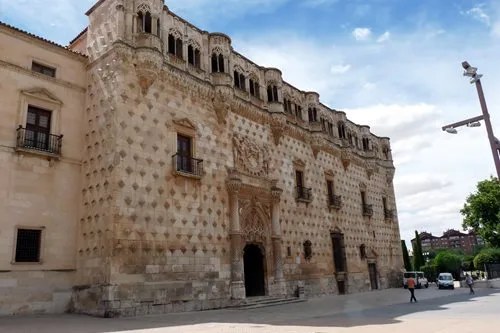
The Alcarria is one of the most beautiful regions in Spain, and for this reason, it has inspired various artists and writers. The Palace of the Infantado is considered the symbol of its capital, which houses important examples of religious architecture. Its natural surroundings highlight the so-called Black Architecture, slate buildings in the northwest sierra, and the natural park of Hayedo de Tejeda Negra. Towns like Zafra and Sigüenza are famous for their castles. In Alcarrian cuisine, products like honey, cold gazpacho, or pickled quail stand out.
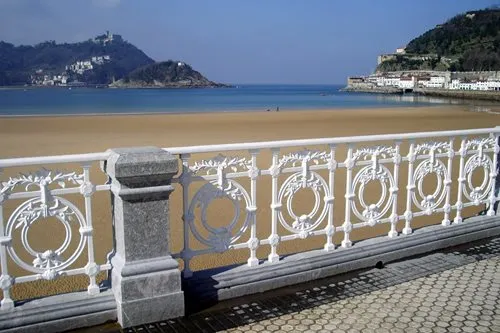
Renowned internationally for its gastronomy, Guipúzcoa is home to the Concha Bay, one of the most spectacular on the Basque coast. The architectural heritage of San Sebastián includes outstanding buildings such as the Buen Pastor Cathedral, the Kursaal, and the Miramar Palace. Its capital also hosts prestigious film and music festivals. The Aiako Harria and Aralar natural parks boast extraordinary beauty, comparable to the coastal towns of Zumaia, Getaria, and Hondarribia.
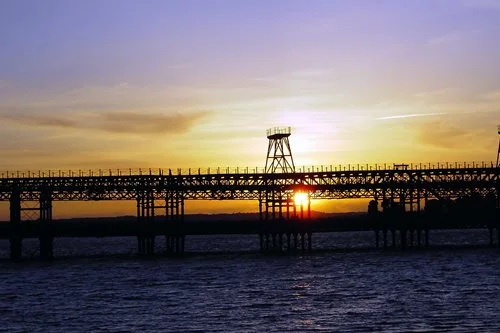
Closely linked to the Discovery and with a strong mining tradition, the charm of Huelva lies in the natural environment of dunes and marshes that form Doñana, in the endless white beaches of the Costa de la Luz, and in the historical importance of its capital. Its gastronomy stands out for Jabugo ham, strawberries, and seafood. The Colombinas Festivals or the Ibero-American Film Festival are some of the most important events held in the province of Huelva.

Located in the Aragonese Pyrenees, Huesca boasts some of the best ski resorts in Spain, such as Formigal and Candanchú. Its historical and artistic heritage is of unique beauty, enhanced by its surroundings. In the municipality of Jaca, you can find the first Romanesque cathedral built in Spain. Huesca is a province with a great confectionery tradition, so alongside its cuisine of meats and river products, it is possible to taste many typical sweets of the area.
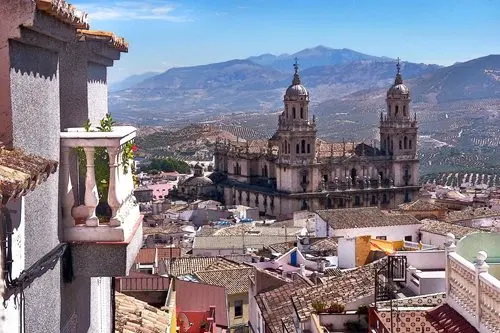
In addition to being famous for its olive oil culture, Jaén boasts a historical and artistic heritage primarily grounded in the Renaissance ensemble of its capital, whose cathedral is the most important monument of this style in the city, as well as in Úbeda and Baeza. Furthermore, the province is home to an unparalleled natural environment: the Sierras de Segura, Cazorla, and Las Villas, where the Guadalquivir River originates. Jaén's gastronomy is renowned for dishes such as ajoatao, pipirrana, and ochíos, all made with oil.

To the excellence of its wines are added the many leisure opportunities that La Rioja offers, such as the Valdezcaray ski resort for winter sports or the stages of the Camino de Santiago and the monastery route, which take us through the main monasteries of La Rioja. There are also numerous excellently preserved castles in the province. All of this, along with the magnificent natural setting of the Sierra de Cebollera Natural Park, make La Rioja one of the most captivating communities in Spain.
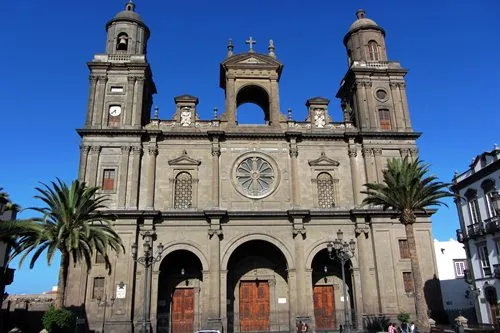
The magnificent beaches with dunes and crystal-clear waters of Gran Canaria, Fuerteventura and Lanzarote, the cheerful and colourful carnivals of the province, the multitude of protected areas found there, among which the Timanfaya National Park stands out, and the Canarian cuisine, famous for dishes such as 'papas arrugás' with 'mojo' and for products like avocado and 'sancocho', along with the warm climate enjoyed all year round, make this province a true paradise.

León boasts numerous vestiges of its Roman origins. In the capital, one can enjoy delicious tapas in the Húmedo quarter, visit the Collegiate Church of San Isidoro and the pantheon of the kings of León, which contains 12th-century frescoes. Noteworthy places in the province include Castrillo de los Polvazares, declared a historical-artistic ensemble. The Picos de Europa and the routes of the Camino de Santiago are other major attractions of the province, where in the region of El Bierzo, the traditional maragato stew can be tasted.
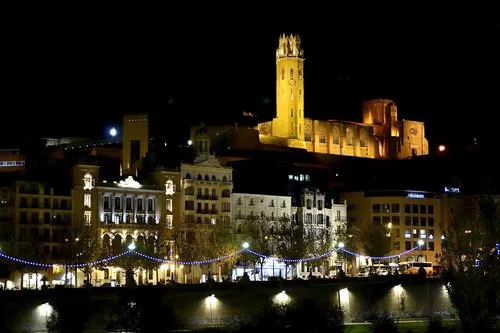
The capital of Lleida is situated at the foot of a hill and boasts Romanesque churches and castles, as well as examples of modernist architecture. In the Vall de Boí, there is a collection of Romanesque architecture declared a World Heritage Site for its beauty and historical interest; and in the Vall d'Aran, we can visit towns like Bagergue or Les. Baqueira-Beret, one of the best ski resorts in Spain, is also located there. Snails are one of the many gastronomic specialities of the province, and at the L'Aplec Caragol festival, thousands of them are consumed.

The oldest city in Galicia still retains its entire wall perimeter, from which the old town can be viewed. One of its main tourist attractions is the Arde Lucus festival, when the city and its people remember their Roman past. Inside the province, the Terra do Miño Biosphere Reserve is notable. The Beach of the Cathedrals, in the municipality of Ribadeo, is one of the most famous and beautiful places in Lugo; which is also one of the best provinces to enjoy Galician cuisine.

Madrid is one of the most cosmopolitan places in Europe and one of the most visited in the world. The important historical heritage of the province is based on places such as Aranjuez, Alcalá de Henares, or San Lorenzo de El Escorial. In Madrid, we can find a wide range of commercial, cultural, and leisure options: international brand establishments, museums, theatres, exhibitions, musicals, etc. Additionally, Madrid boasts a lively nightlife. Among the typical Madrid dishes, the stew, potato omelette, and sweets like churros stand out.
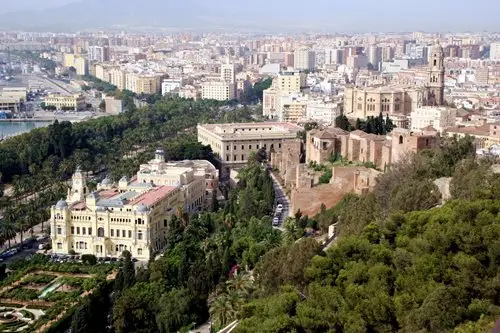
It is one of Spain's main tourist destinations. The Costa del Sol, with its wide range of leisure activities and the magnificent Mediterranean beaches of towns such as Marbella or Estepona, is the main attraction of the province. Inland, Málaga boasts charming white villages. Its capital is a result of its status as a commercial port: Phoenicians, Romans and Arabs were some of its settlers, who left important vestiges. The city hosts a Holy Week of International Tourist Interest for its grandeur.

The city boasts an old town, where you can find the Citadel and the Santiago Chapel, which is the only Gothic monument in Melilla; and the modernist area, with the African city being the second in Spain with the most buildings in this style. There are numerous museums that allow us to enjoy a beautiful cultural route. We cannot forget its beaches, warm and washed by the Mediterranean Sea. Its gastronomy represents a mix of Arabic and Andalusian cuisine.
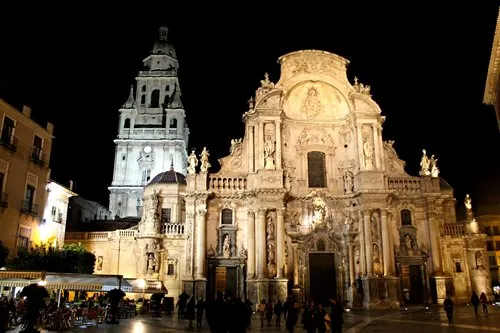
The main attractions of Murcia are the Costa Cálida, a paradise of two seas; and its Easter Week, where the impressive sculptures of the Murcian sculptor Salzillo are paraded. The magnificent Baroque religious art spread throughout the province stands out, including its cathedral, an architectural jewel that combines various styles. Its many museums and the natural environment of El Valle and the Murcian orchard make the province the perfect destination.

Although the main attraction of Navarra is its San Fermín festival, the province boasts a wonderful natural environment consisting of deserts and natural parks with lush forests and a great diversity of flora and fauna. Estella, Olite, and Tudela are some towns in Navarra that have an outstanding historical and cultural heritage. Its gastronomy is based on delicious pintxos; and Navarra's wines have one of the best designations of origin in Spain.
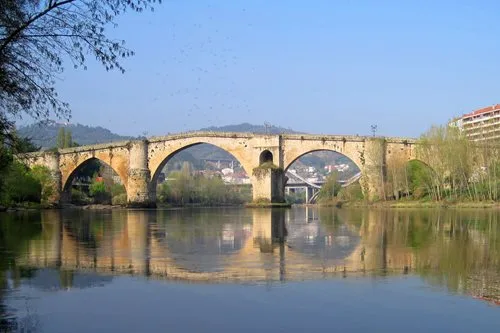
The natural surroundings of Ourense are shaped by the Camino de Santiago, the Baixa Limia-Serra do Xurés park, and the Ribeira Sacra region, home to the Sil river canyon, as well as numerous monasteries and medieval churches. The capital is known as the "city of bridges" crossing the Miño river. Its cathedral is one of the most beautiful in Galicia. Another tourist attraction of the province is the entroido, a Galician carnival whose most representative celebration is that of Verín.
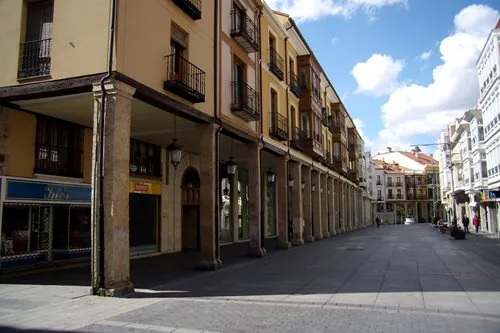
The impressive Cristo del Otero presides over Palencia from the top of one of the hills surrounding the city. The capital boasts significant monumental heritage, and the province hosts important archaeological sites, with the most representative being the Roman villas of La Olmeda or La Tejada. Its section of the Camino de Santiago is one of the main enclaves of Spanish Romanesque. Some of the typical dishes from Palencia include roast lamb and stewed pigeon.
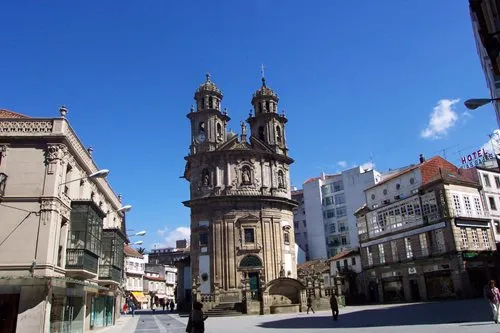
The province is home to the Atlantic Islands National Park, rich in flora and fauna with impressive marine depths. In its capital, Pontevedra boasts a historic centre with cobbled streets where buildings like the Church of the Pilgrim Virgin, which is scallop-shaped, or the ruins of Santo Domingo can be found. The municipalities of the Rías Baixas, such as Vigo or Sanxenxo, are famous for their beaches and the wide range of leisure activities they offer. The magnificent Galician cuisine is based on pulpo a feira, lamprey or the sweet filloas.
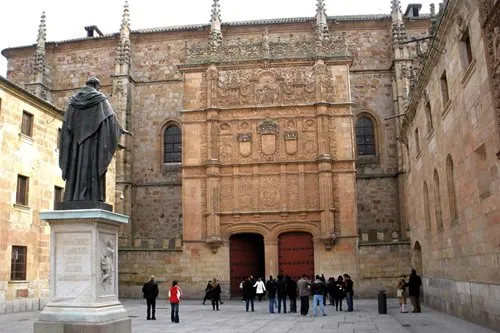
Famous for its university, Salamanca boasts a Holy Week recognised as a Festival of International Tourist Interest. Its historic and artistic heritage is spread throughout the province, with highlights such as the cathedral complex and other Renaissance and Baroque buildings like the Clerecía or the Monterrey Palace in the capital; and the historic centre of the town of Ciudad Rodrigo or the beauty of La Alberca in the province. Salamanca is also one of Spain's main tourist attractions due to its cuisine of rich hornazos and bollos maimones.

Segovia is famous for its Roman aqueduct, which is over two thousand years old. In its capital, you can also visit monuments such as the cathedral, one of the last Gothic buildings erected in Spain; or the church of Corpus Christi, which still contains remnants of the old synagogue it used to be. In the province of Segovia, we can admire architectural gems like the Royal Palace of La Granja de San Ildefonso, in the town of the same name. Pedraza and Sepúlveda are medieval villages that are part of the Network of the Most Beautiful Villages in Spain. Suckling pig and Segovian punch are two of the typical dishes of the province.
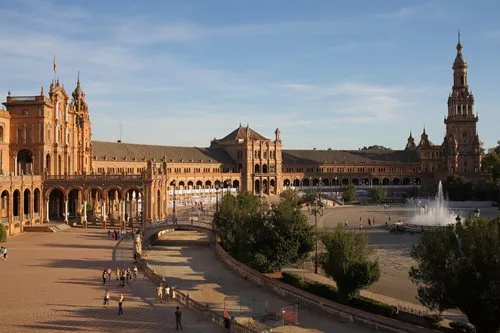
Seville is one of the most visited cities in the world. The capital of Andalusia boasts a significant historic centre featuring monuments such as the cathedral and the Royal Alcazars. In the streets of its most traditional neighbourhoods, such as Triana, you can taste the delicious Sevillian tapas. The province offers a significant cultural and leisure scene based on the many museums in its capital, theme parks like Isla Mágica, and places like Italica, an ancient Roman city. Its Holy Week is universally famous for being a blend of spiritual and artistic feelings and for the devotion of those who participate in it.

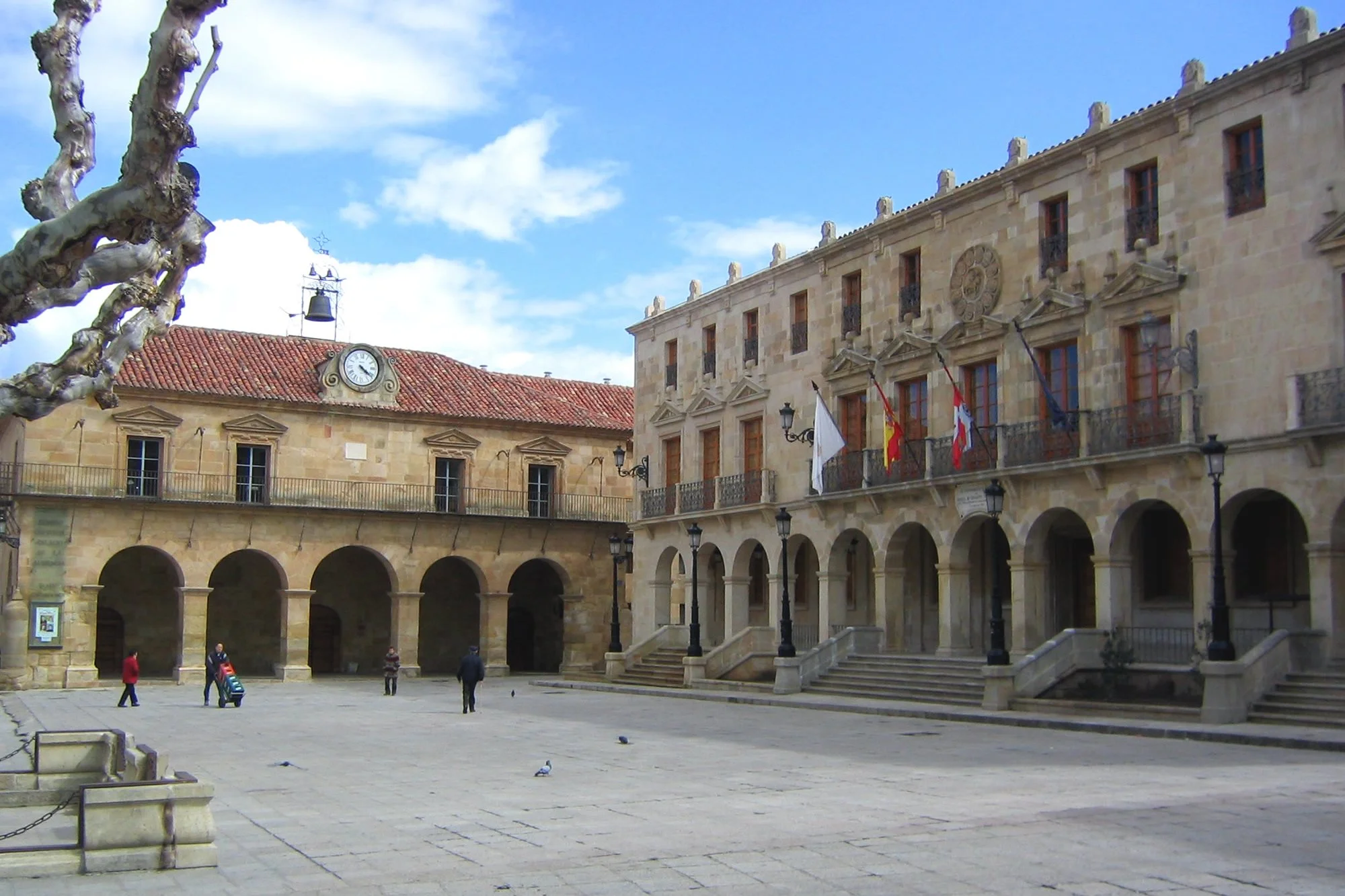
The province of Soria boasts a very valuable historical-artistic heritage, based on its great Romanesque architectural works such as the monastery of San Juan de Duero. A place of inspiration for poets like Machado, its capital is a deeply medieval city. In Soria, the Duero route includes places like Burgo de Osma or San Esteban de Gormaz, declared historical-artistic sites. Medinaceli preserves many Roman and medieval remains. The delicious Sorian butter is one of the most famous products of its gastronomy.
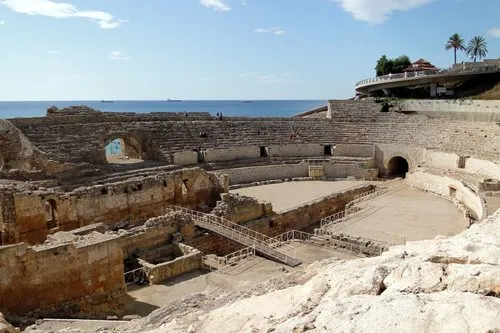
Monumental province with its Roman past preserved through the archaeological ensemble of Tarraco. Other major attractions include the Costa Dorada, with its crystal-clear waters and fine sandy coves; the Cistercian Route, taking us through the main monasteries of the province, and PortAventura-Ferrari Land, one of the most visited theme parks in Europe. The inland villages of the province, such as Miravet or Tortosa, are of extraordinary charm. Penedés cava is one of the most exquisite products Tarragona has to offer.
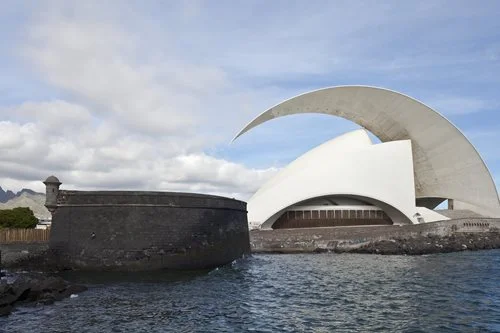
Internationally famous for its carnivals, Santa Cruz de Tenerife boasts an extraordinary natural environment made up of its paradisiacal volcanic-origin beaches and the diverse flora and fauna of the Corona Forestal Natural Park. La Palma is known as "The Beautiful Island" for its stunning landscapes. In La Gomera, you can find the Garajonay forest, a spectacular ancient woodland. There, it is also possible to attend a demonstration of the characteristic silbo gomero. The island of El Hierro is renowned for the warmth of its waters. Gofio or sweet frangollo are two typical products from Tenerife.

Teruel is famous for possessing a rich Mudéjar artistic heritage. In the capital, the cathedral, the Church of San Pedro, where the remains of the «Lovers of Teruel» rest; or the towers of the Church of Salvador are some of its architectural jewels declared World Heritage. In the province, Albarracín, with its fortified enclosure declared a Site of Cultural Interest, Valderrobres, or Puertomingalvo, are part of the Network of the Most Beautiful Villages in Spain. In Turolense gastronomy, the biscuits known as «suspiros de amante», made with eggs, sugar, and butter, stand out.
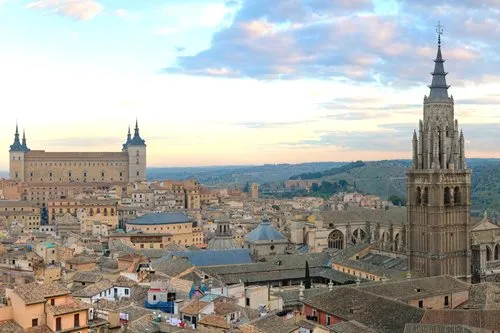
The "city of the three cultures" boasts monuments that reflect the religious tolerance that once existed there, such as the Tránsito synagogue or the Mezquita de la Luz. The cathedral of Toledo is considered the masterpiece of Gothic architecture in Spain. El Greco is tied to the city's history, having lived and left much of his work in Toledo. Toledo's cuisine is based on delicious marzipan, game products, cheese, and pisto manchego. Other interesting places in the province include Consuegra, Oropesa, or the Cabañeros National Park.
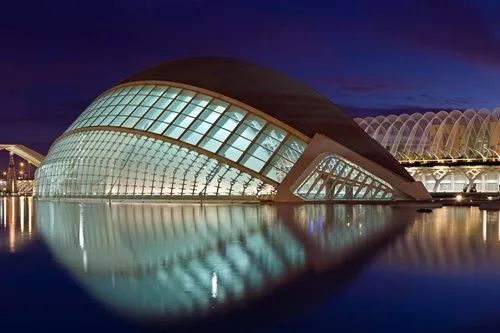
The fine sandy beaches and warm waters, the Fallas, the Tomatina festival in Buñol, and its cuisine based on rice, paella, or horchata are the main tourist attractions of the province. Its capital, with architectural works such as the Silk Exchange, the cathedral, and others from the new millennium like the City of Arts and Sciences, is a blend of history and modernity. Xàtiva or Sagunt, along with their castles, are some of the most interesting places in the province. The Albufera Natural Park is one of the most important wetlands in Spain.
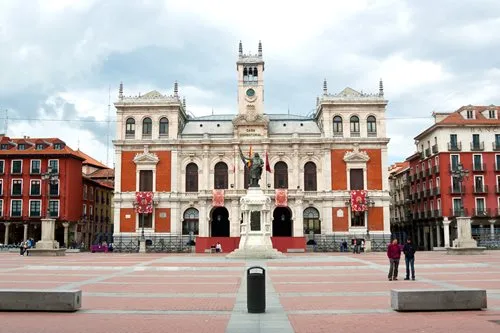
Valladolid is renowned for the solemnity of its Semana Santa (Holy Week). In municipalities like Medina del Campo or Peñafiel, towns of great historical significance, the Castilian medieval essence can still be appreciated through their castles. Thus, in the province, there is a great cultural and leisure offer, with its capital city being home to the National Sculpture Museum. Additionally, apart from its Semana Santa, Valladolid is internationally famous for significant events like the Seminci film festival. Vallisoletan gastronomy is founded on roasted lamb or Castilian soup.
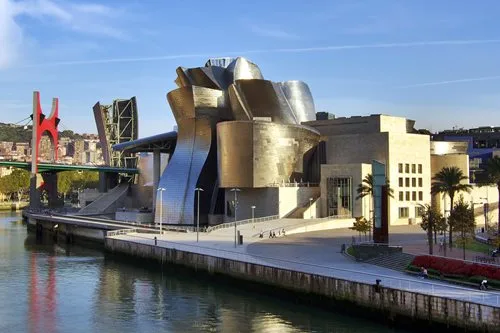
Bilbao is one of the most cosmopolitan cities in Europe and a cultural hub where the Guggenheim Museum and other architectural works designed by architects such as Calatrava or Foster stand out. In the province of Vizcaya, we can enjoy one of the best gastronomic traditions in Spain and discover beautiful coastal spots in Vizcaya such as Getxo, where you can visit the Hanging Bridge and attend the Getxo Jazz festival; or Bermeo, where the unique hermitage of San Juan de Gaztelugatxe is located. In the magical and green Basque natural environment, the Urkiola park and the Urdaibai reserve stand out.
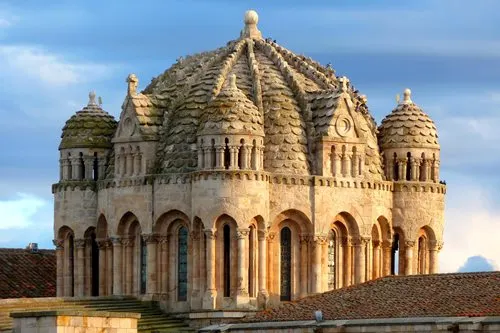
Surrounded by the Duero River, the province of Zamora is famous for its impressive Romanesque architectural heritage and the solemnity of its Holy Week, typical of Castilla. The towns of Toro and Benavente are declared historic-artistic sites due to their important architectural legacy, with highlights such as the ruins of the monastery of Santa María de Moreruela. The province boasts an outstanding natural environment: the Arribes de Duero park. Some typical dishes of the province's cuisine are Zamora-style rice or almond custard.
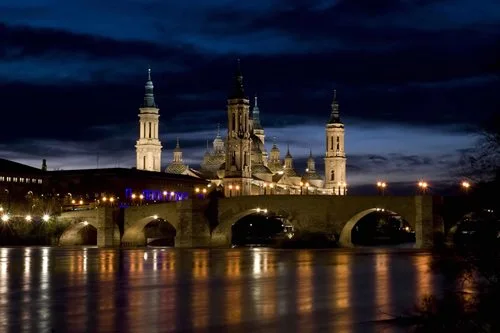
Zaragoza, situated by the Ebro, boasts a significant monumental heritage from the many civilisations that have inhabited the province, with the Pilar Basilica, an emblem of the city, standing out. Francisco de Goya was one of its most illustrious residents and developed and left part of his work in the city. Zaragoza offers visitors a wide range of cultural and leisure activities. The province features interesting places such as Belchite, the Moncayo Natural Park or the impressive Monasterio de Piedra.