Cookie settings
We use our own and third-party cookies in order to offer our services, display videos, obtain statistics and offer personalized advertising.
For more information, please read our cookies policy.
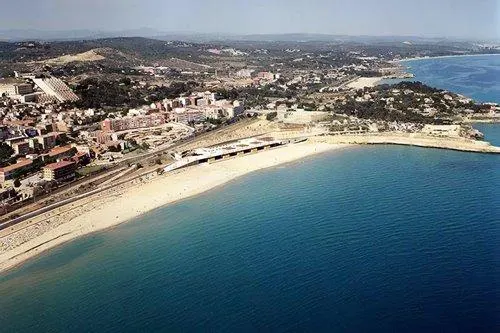
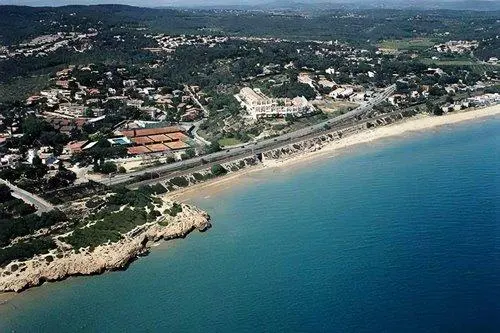
Heir to Roman times, the city of Tarragona is located in one of the most beautiful natural areas of Spain, the Costa Dorada.
The city of Tarragona began as such in Roman times. The core, known as Tarraco, became one of the most important cities of the Empire. Previously, there was an Iberian settlement in the area which eventually fell with the arrival of the legions led by the Scipios. The city developed urbanistically in an incredible way. With the establishment of the Empire, Emperor Augustus moved to the city for a time to direct the invasion of the Cantabrians and Astures.
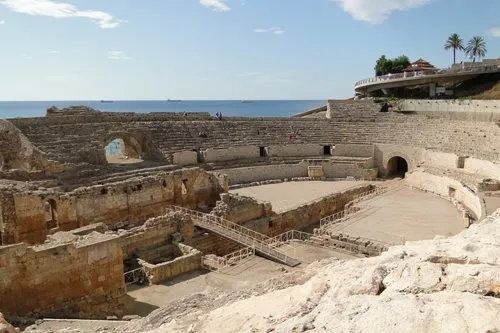
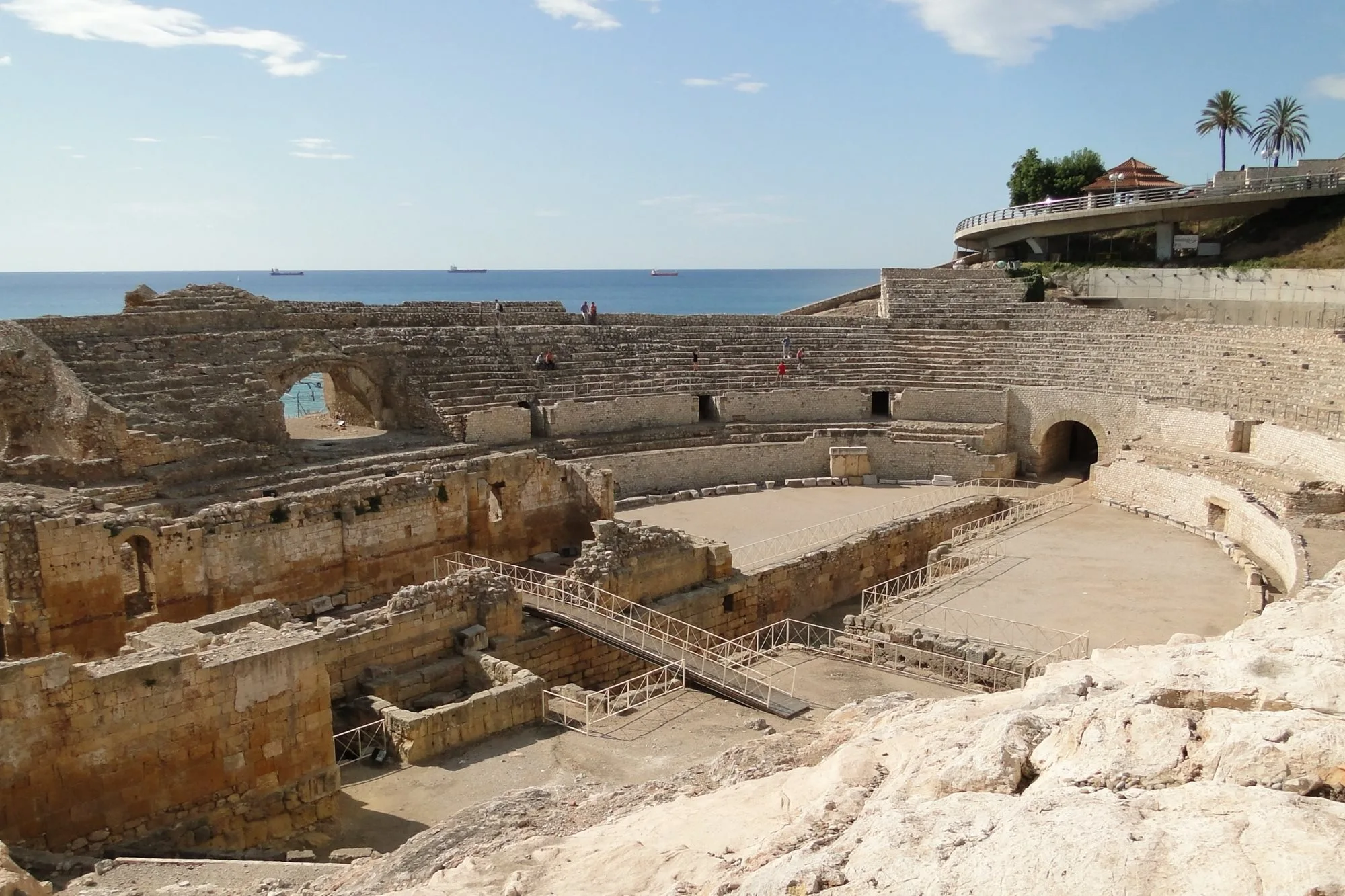
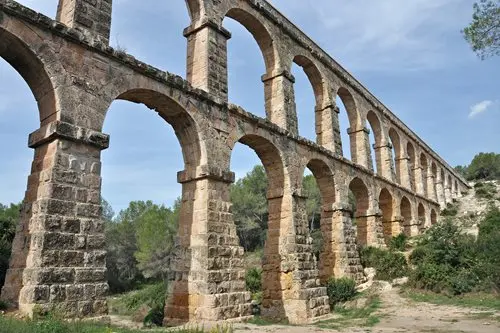
From the Roman period, Tarragona retains countless heritage remains. Highlighted are works of civil or recreational nature such as the amphitheatre, the aqueduct, the circus or the forum. There are also remains of defensive constructions such as the walls or the Tower of the Scipios. The Paleo-Christian necropolis is also preserved near the river Francolí.
After the Visigoth invasion, Tarragona fell into Muslim hands. This dominion lasted until the year 1116, when Ramon Berenguer, Count of Barcelona, entered the city with his troops. From this moment, Tarragona regained political and economic value until the 14th century. During the end of the Middle Ages and the Modern Age, the city suffered various plague epidemics that weakened its population and economy. Already in the 19th century, after the Napoleonic defeat, Tarragona expanded and grew by demolishing part of its ancient walls.
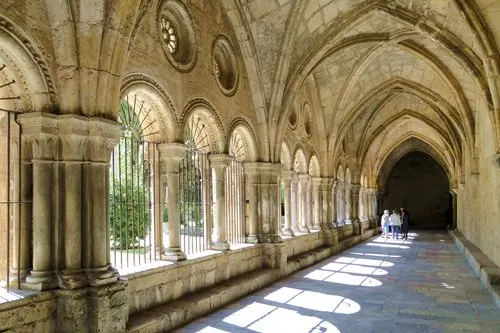
It is worth mentioning, from medieval and modern times, various places in the city. For example, the Cathedral, of Gothic style. Also noteworthy are the Shrine of the Discalced Carmelite Fathers Convent or the Pla de la Seu.
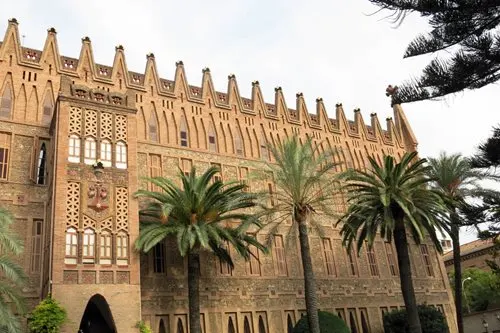
From the 19th and 20th centuries, the city has iconic places. For example, the Ripoll House, the Bofarull House and the Doctor Aleu House, all works by architect Josep María Pujol i Barberá. Also worth mentioning is the Mausoleum of Jaime I.
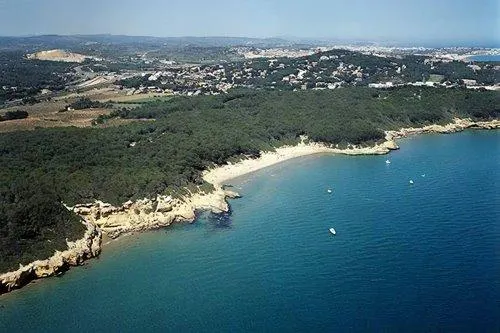
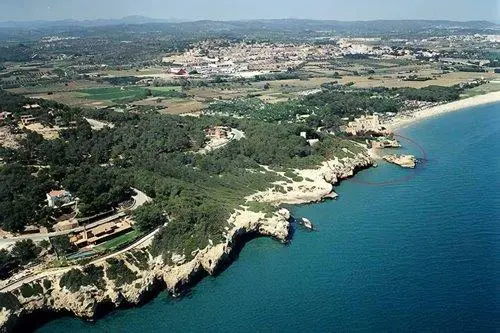
In short, Tarragona is a city where an immense heritage of great quality is gathered. This combines with beaches and natural areas such as the Cala de la Roca Plana or Cala Jovera.

Book your hotel
Things to do
Currently, we do not have any companies with activities in Tarragona.
Do you have a company that offers guided tours, events, shows, active tourism and outdoor activities or other leisure and tourism activities in Tarragona? Contact us and we'll explain how to include these services for free.