Cookie settings
We use our own and third-party cookies in order to offer our services, display videos, obtain statistics and offer personalized advertising.
For more information, please read our cookies policy.
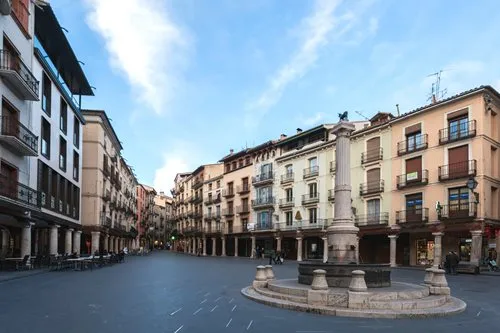
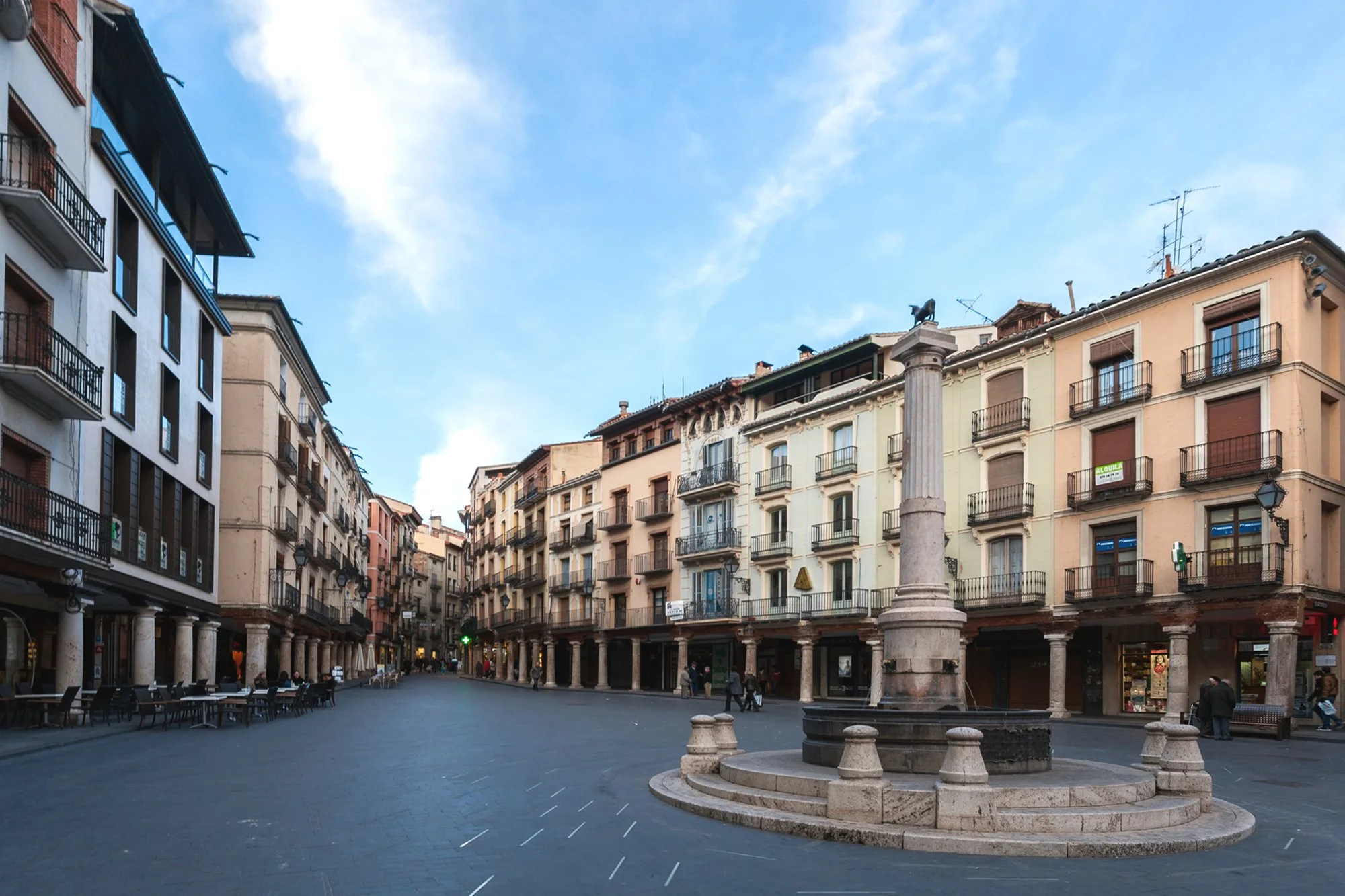
In the vicinity of the banks of the rivers Guadalaviar and Alfambra lies the city of Teruel. Capital of the namesake province, the city stands out for its historic centre, among other things.
The origins of Teruel date back to the times of the Celtiberians, that is, before the 2nd century BC. From this era, the Alto Chacón site is dated. Previously, it seems there might have been a population of which no remains have been found, but the Phoenicians called it "Thorbat" or "Thorbet". There are few remains from this period within the current municipal term that have survived to the present day.
With the arrival of the Arabs to the peninsula, the current Teruel was renamed "Tirwal". It appears there was no city as such, as no remains have been found; rather, it was an area of defensive fortifications. In 1171, Alfonso II of Aragon took Tirwal with the aim of strengthening his border control. That same year the city of Teruel was founded, initiating a process of repopulation. From this moment on, the area began to develop and expand both in population and urbanistically. Later, the city experienced a series of insurrections against the policies of the Hispanic government, such as those that took place during the reign of Philip II in the 16th century. In contemporary times, Teruel was the scene of one of the fiercest battles of the Civil War. The result was the complete destruction of a large part of the buildings.
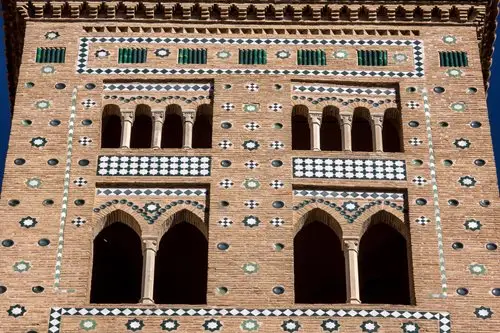
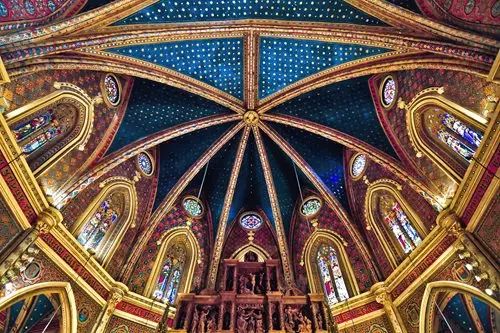
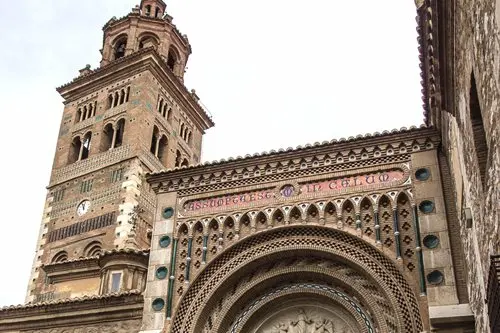
From all this history, various constructions of great heritage value have reached the present day. For instance, the Cathedral of Santa María de Mediavilla, which began as a Romanesque church and ended up becoming a Gothic-style cathedral. This construction was declared a World Heritage Site by UNESCO in 1986. Also of considerable relevance are San Pedro Church and the Church and Tower of San Martín, both in Mudéjar style.
Today, Teruel is undoubtedly a city to be discovered, attracting more and more tourists thanks to its enhancement and improved connections. It stands out for its Mudéjar heritage but also for its gastronomy. Its typical dishes, offered in numerous bars and restaurants, are based on pork, lamb, and game animals such as rabbit or partridge.

Book your hotel
Things to do
Currently, we do not have any companies with activities in Teruel.
Do you have a company that offers guided tours, events, shows, active tourism and outdoor activities or other leisure and tourism activities in Teruel? Contact us and we'll explain how to include these services for free.