Cookie settings
We use our own and third-party cookies in order to offer our services, display videos, obtain statistics and offer personalized advertising.
For more information, please read our cookies policy.
The Galician People's Museum offers a broad vision of Galician cultural and ethnographic heritage, both through its location, the Santo Domingo de Bonaval convent, and its contents.
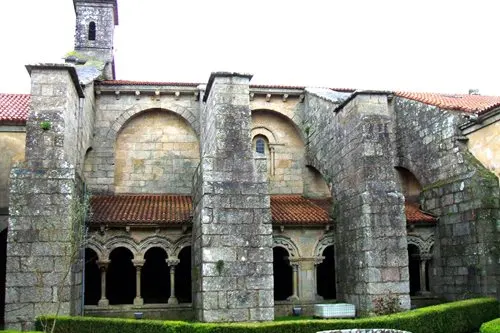
The Galician People's Museum (or Museo do Pobo Galego) is located outside the historical city of Santiago de Compostela, as the building that has housed it since 1976 is the former convent of Santo Domingo de Bonaval. This convent is situated alongside the route that pilgrims took to reach Santiago.
This museum is dedicated to the preservation and dissemination of Galician traditions and customs that constitute the essence and identity of this land.
Its permanent collection is divided into nine rooms:
Additionally, the Galician People's Museum hosts temporary exhibitions, has an auditorium, museum services of a library, graphic and sound archive, and video library.
It also has an Education and Cultural Action Department, which is responsible for organising activities and creating educational materials for school groups.
In May 2005, another department dedicated to the Institute of Identity Studies was opened. This department works on the socio-cultural function of the museum, researching and studying Galician identity from an interdisciplinary perspective, comparing it with other identities. Moreover, this department promotes training in cultural management.
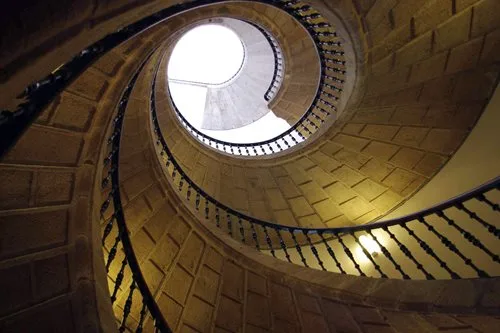
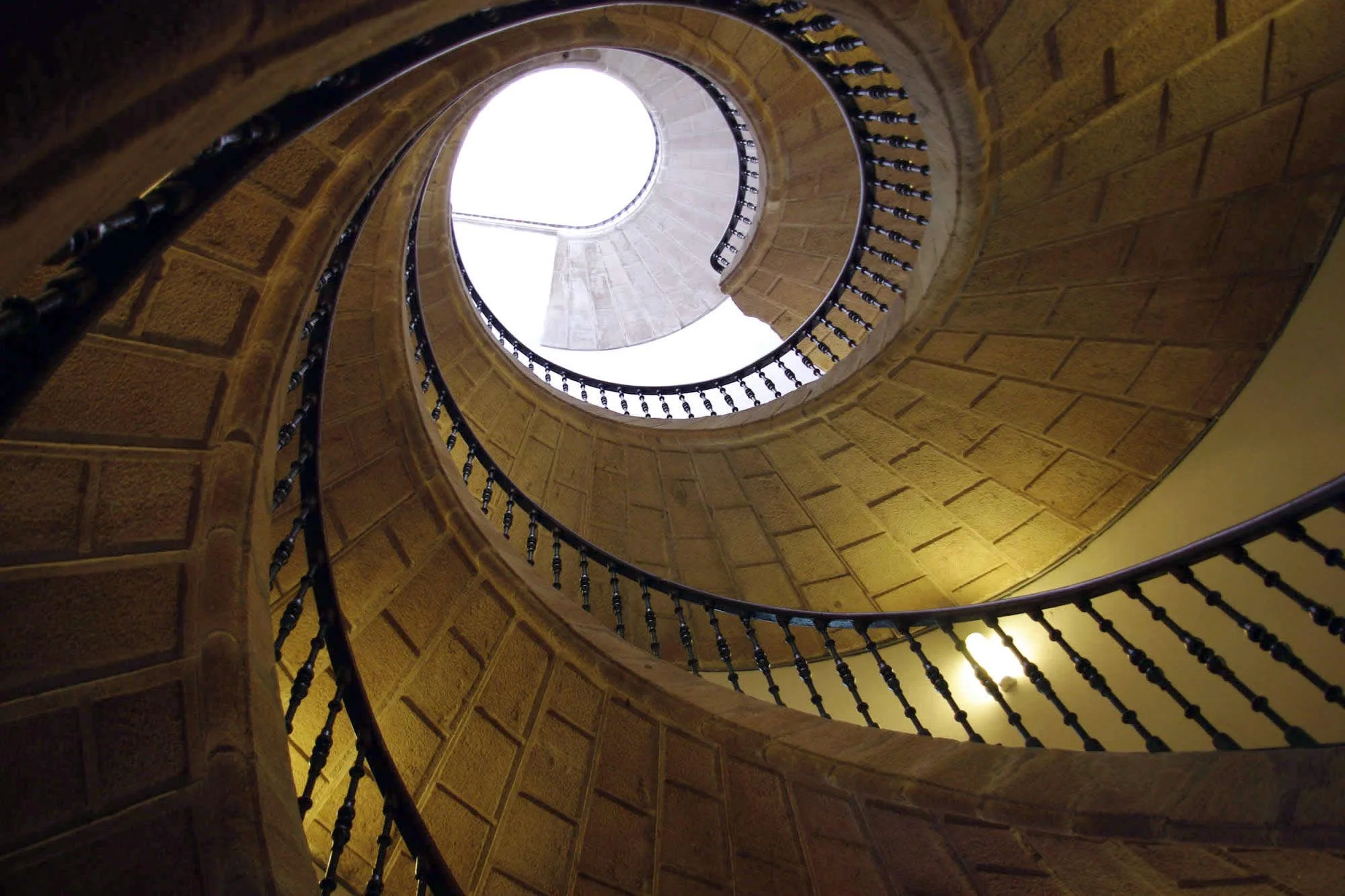
As previously mentioned, the building housing this museum is the Bonaval convent, which was founded in the 13th century by Saint Dominic of Guzmán and was reconstructed during the Baroque period (17th and 18th centuries). The most notable rehabilitation was by the architect Domingo de Andrade, who created a spectacular triple helicoidal staircase inside.
The church of this convent dates back to its foundation and is Gothic in style, but it also had additions and renovations until the 16th century. Inside it is the Pantheon of Galicia, where illustrious Galicians such as poetess Rosalía de Castro, sculptor Francisco Asorey, poet Ramón Cabanillas, and regionalist politician Alfredo Brañas rest in peace.
Built: 1976
Category: Museum
Type: Ethnographic Museum
Address and telephone
Opening times
Prices
If you see any mistakes or want to add anything to this information, please contact us.