Cookie settings
We use our own and third-party cookies in order to offer our services, display videos, obtain statistics and offer personalized advertising.
For more information, please read our cookies policy.
The autonomous city of Ceuta stands out for being, along with Melilla, one of the two Spanish territories located on the African continent. Specifically, it is situated on the Tingitan Peninsula, on the shores of the Mediterranean.
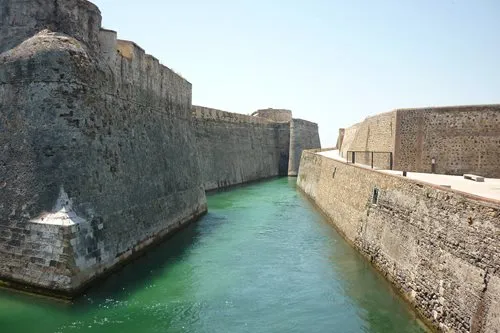
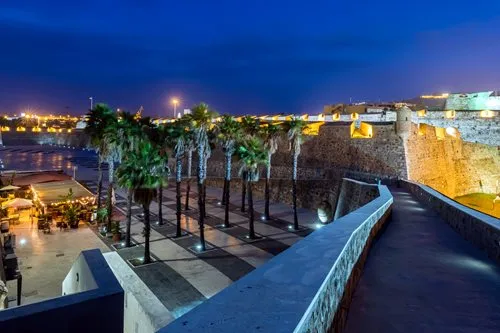
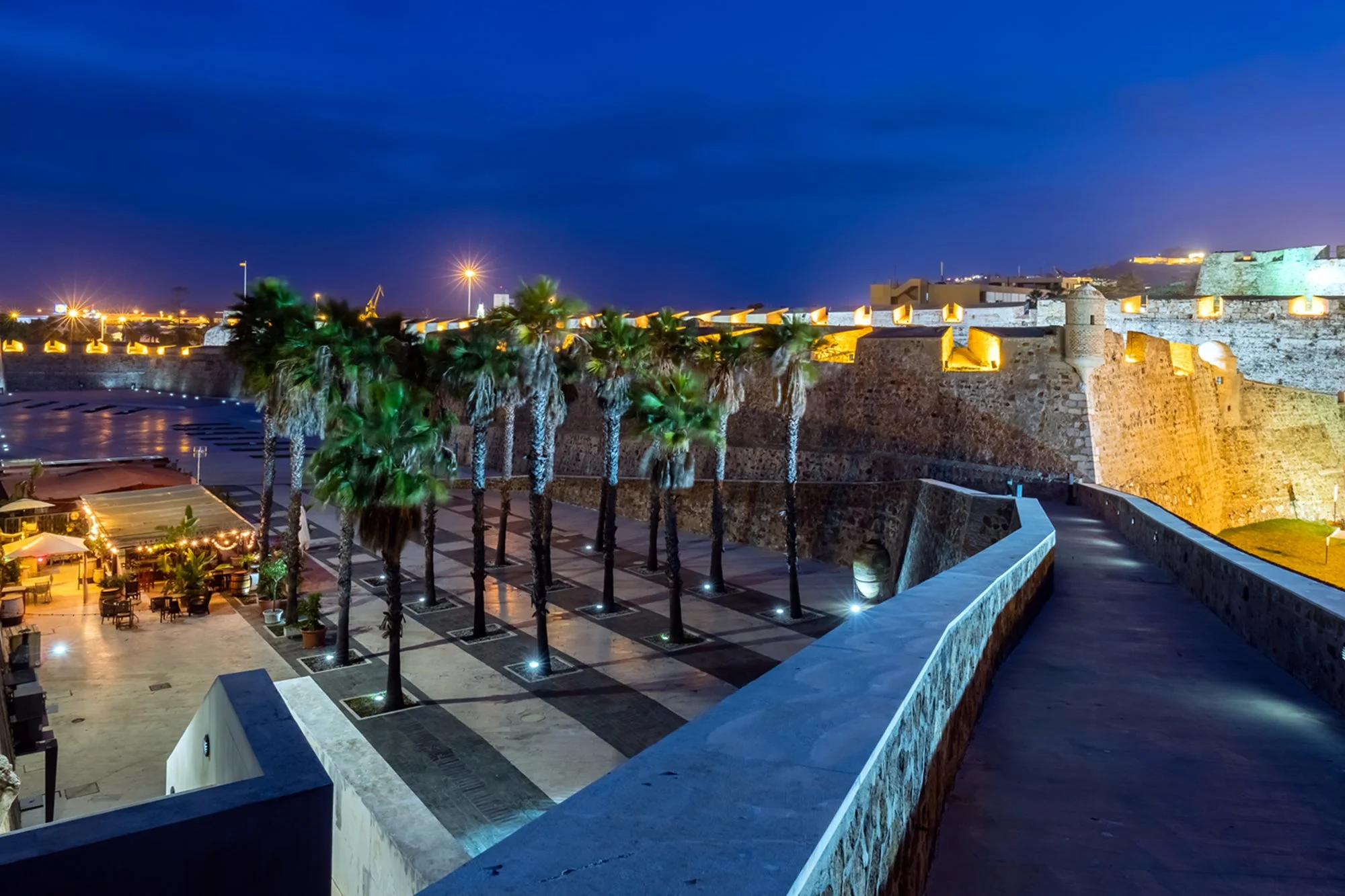
Carthaginians, Romans, Vandals and Byzantines have all passed through its territory. During the Middle Ages, it was part of the Umayyad Caliphate until 788. From the 8th century onwards, a continuous period of instability began, with the city changing hands repeatedly. This is due to its strategic importance for controlling the Strait of Gibraltar. Hence, its Royal Walls stand out in the city’s urban fabric.
Ceuta remained under Muslim rule until 1415, when it was conquered by the Kingdom of Portugal. The city came under Spanish control with the integration of the Portuguese kingdom into the Spanish Monarchy in 1580. In 1668, with Portugal and the Spanish Monarchy separated, Ceuta officially passed to Castilian hands. From that moment until the 19th century, significant Muslim sieges on the city would follow.
As a result of this unique history, Ceuta has a series of constructions of great value and unique heritage interest. For instance, the Royal Walls are a spectacular defensive structure. Remains of walls from the Marinid period are also preserved alongside a late Roman basilica and Arab baths.
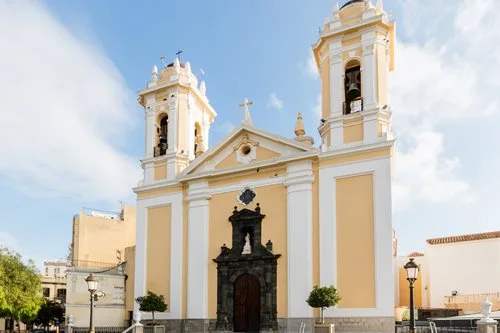
Truly peculiar is the history of the Cathedral of the Assumption, which during the Islamic period was a mosque and, after being constructed during the Portuguese era, ended up destroyed following various conflicts in the area. It was rebuilt based on Baroque and Renaissance parameters between the 17th and 18th centuries. Ceuta also stands out for possessing an important network of mosques.
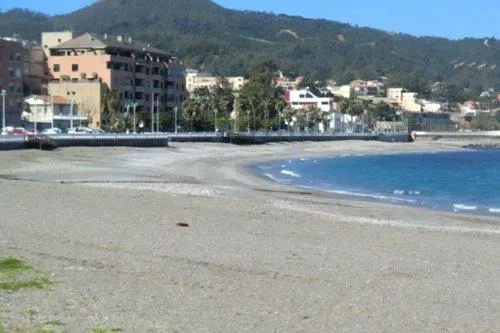
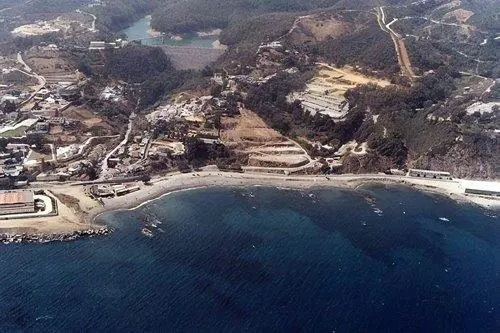
To all this, one must add its wonderful beaches and its proximity to Morocco, a country that attracts an increasing number of visitors from Spain.

Book your hotel
Things to do
Currently, we do not have any companies with activities in Ceuta.
Do you have a company that offers guided tours, events, shows, active tourism and outdoor activities or other leisure and tourism activities in Ceuta? Contact us and we'll explain how to include these services for free.