Cookie settings
We use our own and third-party cookies in order to offer our services, display videos, obtain statistics and offer personalized advertising.
For more information, please read our cookies policy.
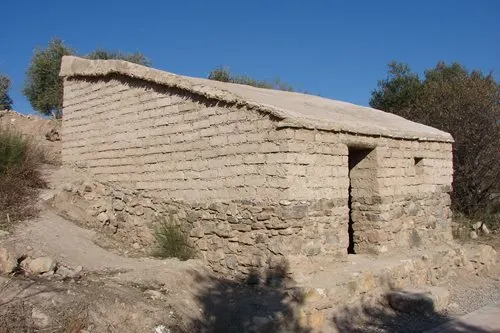
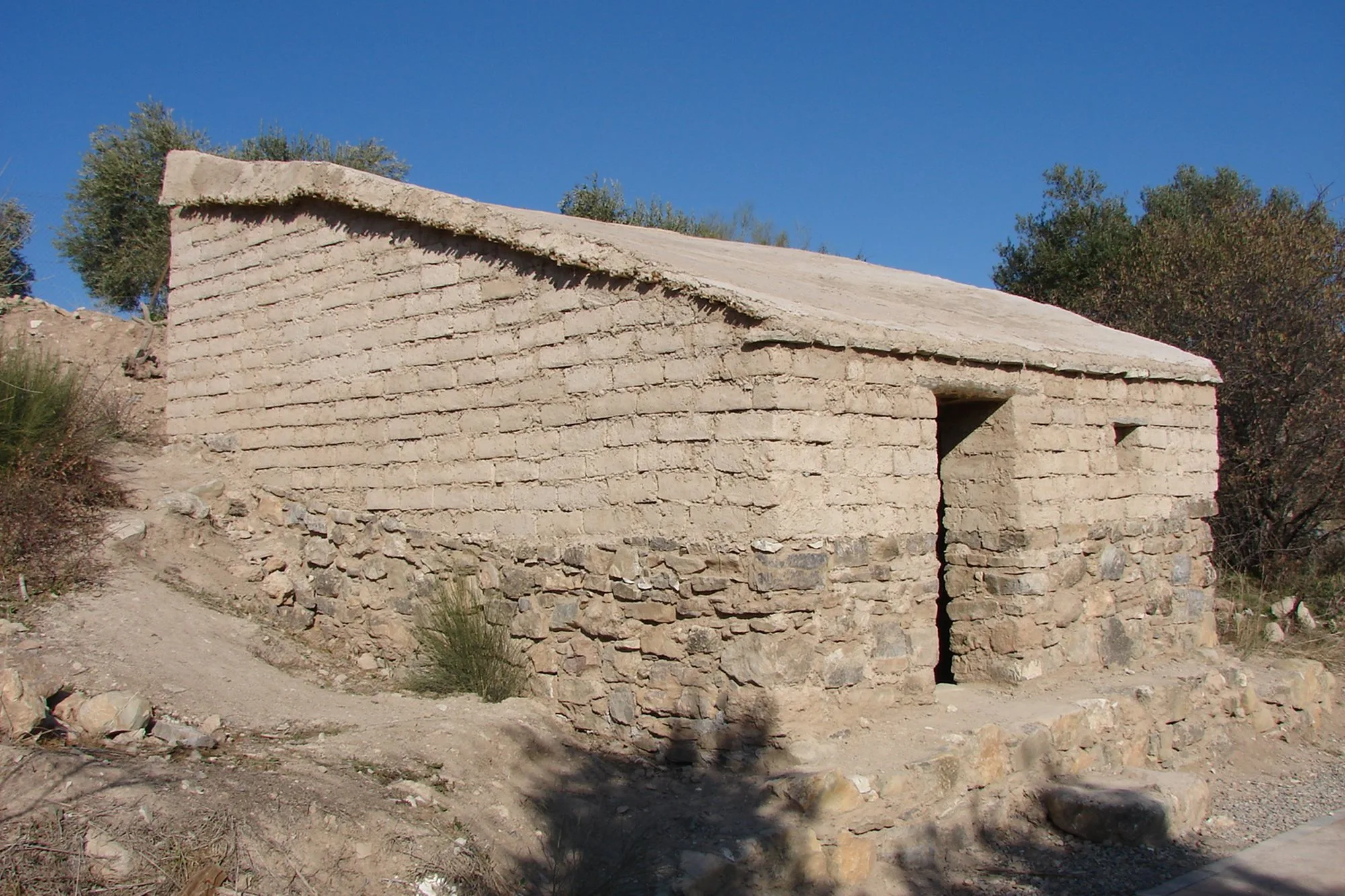
The Iberian settlement of Cerro de la Cruz is one of the few settlements preserved from the Late Iberian Period found in Andalusia.
This Iberian settlement is located in the geographical area of the Subbetic Mountains, extending into the provinces of Granada and Jaén. It was declared an Asset of Cultural Interest under the Archaeological Zone typology in 2002.
Its area is about 50,000 square metres. On the surface, no remains of walls or other defensive structures from the Iberian period have been found.
The discovery of the Iberian settlement of Cerro de la Cruz dates back to the excavations carried out by Luis Maraver y Alfaro in 1867 in the Collados necropolis, located near Cerro de la Cruz. More than two hundred and fifty Iberian tombs were found, documenting with them rich grave goods composed of weapons (spears, daggers, arrowheads, etc.). It is from here that the denomination of several Iberian weapons known as “Almedinilla type” comes, such as the “falcatas” (a curved-edged sword typical of the pre-Roman Iberian civilisation).
According to the archaeological campaigns carried out by Maraver, Paris, Engel, Navascués, Santa-Olalla and Vaquerizo, respectively, it is a hillside Iberian settlement. It is arranged in stepped terraces dug into the rock and utilising the surface.
Common urban planning of the Late Iberian Period (1st to 3rd century BC) and the various rooms can be seen: storage or artisan workshops with spaces both for living and working (flour mills, amphorae storage, loom weights, water cisterns, etc.). The remains of its construction with a stone base and adobe or rammed earth bricks can be preserved. Some signs of the existence of windows, the door, and even the holes of the posts supporting a second floor of the buildings have also been found.
At the end of the 2nd century, the settlement suffered a violent destruction, as confirmed by archaeological studies. Additionally, this site has an emiral phase which corresponds to a small farmhouse (9th – 10th centuries). During our more recent past, such as the Spanish Civil War, this settlement served to build trenches, and several trenches and constructions of one of the positions of the Front in Almedinilla have even been found.
Built: 1st - 3rd centuries BC
Style: Iberian
Category: Civil
Type: Archaeological Site
Address and telephone
Opening times
Services
Guided Tours.If you see any mistakes or want to add anything to this information, please contact us.
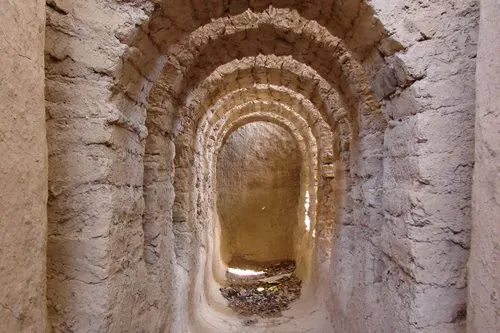
The archaeological site of the Roman villa of El Ruedo is located on the outskirts of the locality of Almedinilla. It is declared a Site of Cultural Interest.
It is divided into two areas: the Roman villa, whose pars urbana (habitable area) is well preserved, and a burial necropolis. The pars rustica of the villa was used for agricultural exploitation.
Initially, the Roman villa between the 1st and 3rd centuries AD was modest. However, in the 4th century, it transformed into a large estate with a luxurious aristocratic residential area. From the start, the main building was structured around a central courtyard with a peristyle or columned gallery. The residential area was arranged around a central courtyard with a fountain. Many stuccoes with paintings from the walls and ceilings have been preserved, whose frescoes imitated marble inlays.
The Bath Room had a hypocaust heating system underneath the floor. The reception room corresponds to the Dining Room or Triclinium with a semicircular table. The water from here came from the monumental fountain or nymphaeum at the back of the villa, which supplied a simulated waterfall.
The power of the family that occupied this villa is evident in both the pars urbana and the sculptural ensembles that can be seen in the Historical Museum of the locality. Notable figures include Dionysus, Apollo, Perseus, Andromeda, Hermaphroditus, Silenus, or Venus. Most of the representations allude to Greco-Roman mythology but also to the religious worship of the owners. Special mention is made of the bronze pieces depicting Hypnos or Somus, the god of sleep, which decorated the Dining Room.
The residential area was abandoned in the mid-5th century, coinciding with intentional breakages of the sculptures left beneath the rubble or in the house's fountains. It was the time when the residential space was transformed into a productive one with bread ovens, grape presses, fulling mills, and modest houses.
In the necropolis area adjoining the villa, exhumed tombs have been found, arranged in parallel rows with interspersed free spaces. These interspersed spaces would have served for both access to the tombs and their progressive and gradual extension over time.