Cookie settings
We use our own and third-party cookies in order to offer our services, display videos, obtain statistics and offer personalized advertising.
For more information, please read our cookies policy.
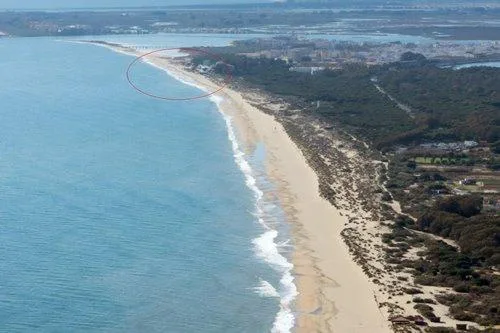
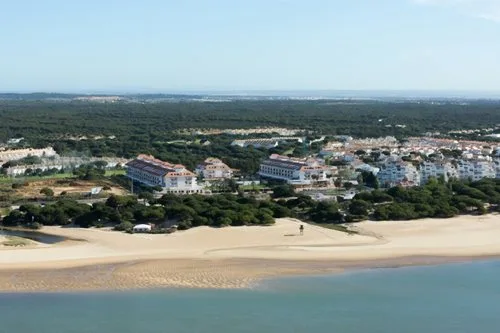
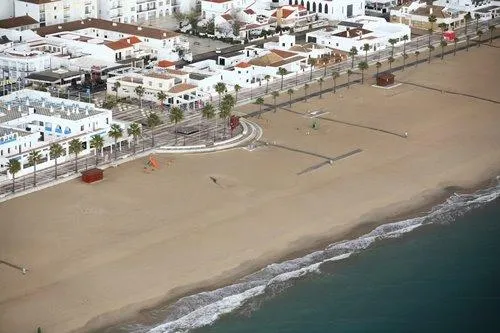
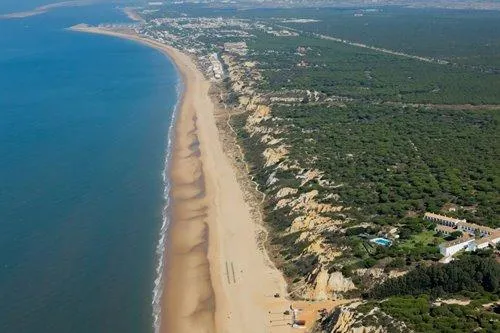
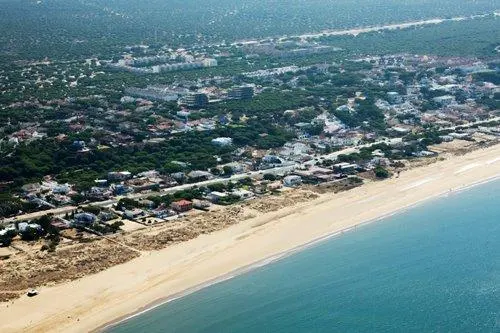
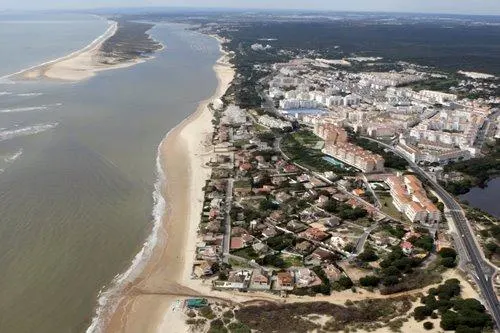
One of the main tourist attractions of the province of Huelva is the Costa de la Luz, bathed by the Atlantic and featuring towns like Punta Umbría, Matalascañas, or Isla Cristina, all boasting long and beautiful golden sandy beaches.
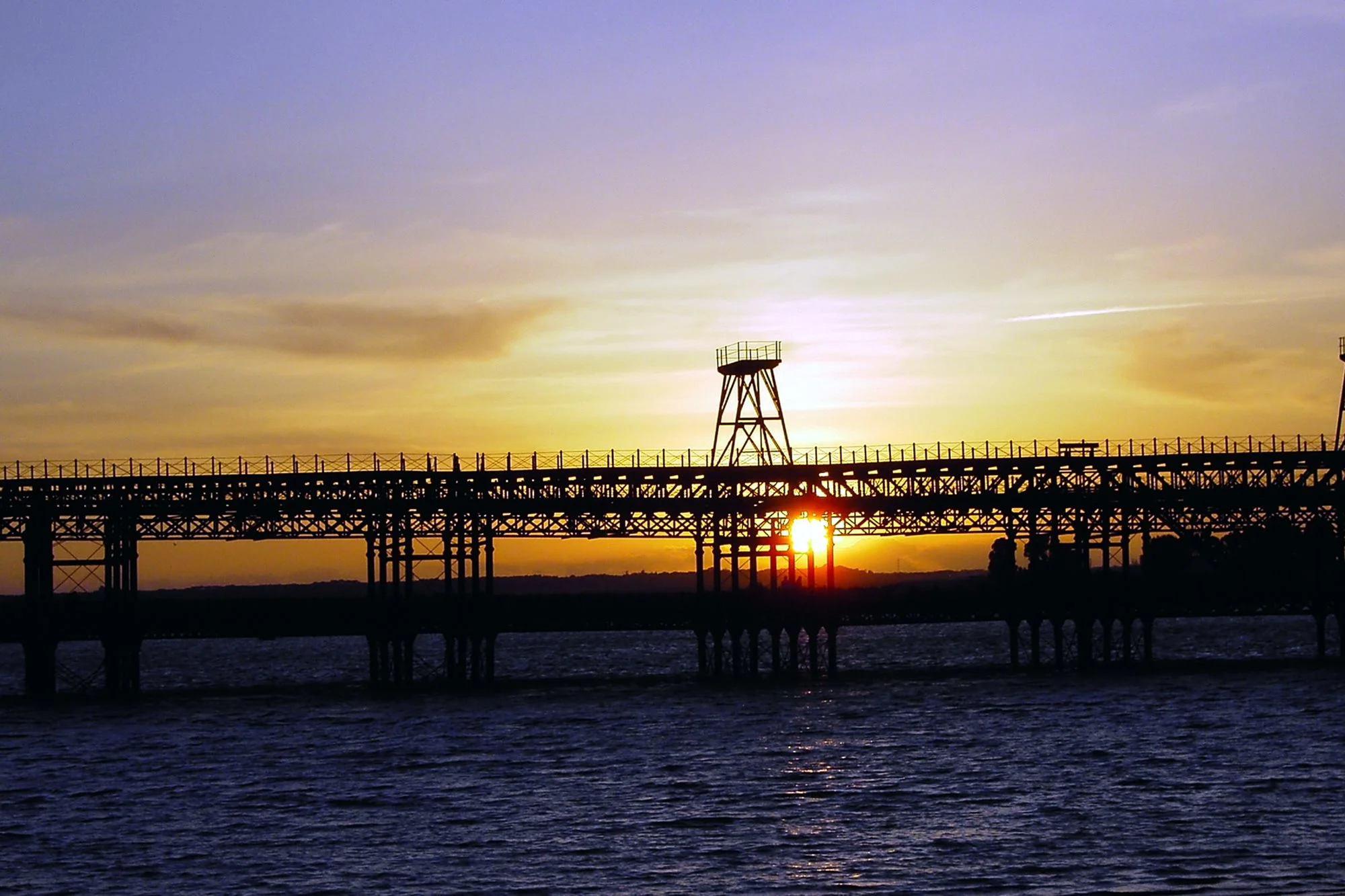
Deeply linked to the discovery of America, its capital hosts various monuments such as the one dedicated to the Monument to the Discovering Faith, at Punta del Sebo. The Cathedral of La Merced was originally founded as a convent by the Duke of Medina Sidonia in the 18th century. Additionally, temples like the Church of San Pedro, from the 16th century and designed in Gothic-Mudejar style, or the Sanctuary of Our Lady of La Cinta are some of the most outstanding places of worship in Huelva. The Gran Teatro of Huelva, originating from the 19th century and located in Plaza Alcalde Coto de Mora, is one of the most important cultural centres in the province and a venue for numerous plays and events. One of the capital's main hubs is the Plaza de las Monjas. One of the city's most charming places is the Reina Victoria neighbourhood, with houses built in the style of the English garden city during the 20th century for the workers of the Rio Tinto Company Limited. Another iconic spot in the capital is the mineral loading dock from Riotinto. Moreover, the Provincial Museum of Huelva invites us to view Roman, Arab archaeological remains and even an exhibition dedicated to the Riotinto mines.
In the province, the County district is a must-visit to learn about its wines and the abundant baroque architectural art that the area boasts; in addition to the Columbian places: Palos de la Frontera, La Rábida, and Moguer. In Palos, you can visit the Carabelas Wharf and board the three recreations of the ships that took Columbus to America for the first time. In Moguer, birthplace of the Nobel laureate Juan Ramón Jiménez, you can visit the Convent of Santa Clara.
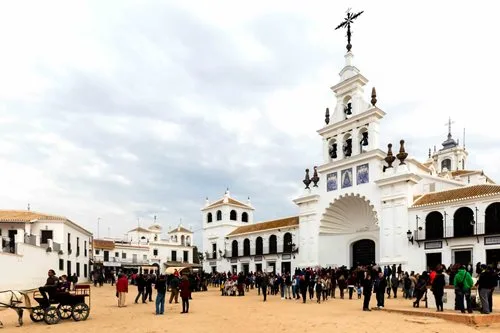
The natural environment of Huelva comprises the Doñana Natural and National Park, with beautiful marshes and home to many bird species, the Odiel Marshes Natural Park, and the Sierra de Aracena and Picos de Aroche. The town of Almonte, meanwhile, is famous for the village of El Rocío, whose pilgrimage is declared of International Tourist Interest. In Trigueros, you can visit the Dolmen of Soto, one of the most significant megaliths nationally.
Las Colombinas are the most notable festivals in the Huelva province, along with the Ibero-American Festival of La Rábida, the Ibero-American Film Festival of Huelva, and all the events celebrated in commemoration of 12 October.
The gastronomy of the province of Huelva is based on products such as the delicious white prawn or Jabugo ham. Corvina with rice is one of its most famous dishes, and strawberries from Palos are renowned for their size and flavour.
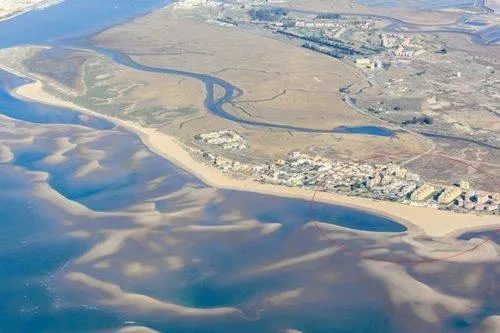
Capital of the province of the same name, the city of Huelva lies at the confluence of the Tinto and Odiel rivers, on the banks of the estuary bearing its name. It is an area of great natural and heritage interest, unique in Andalusia and of enormous value worldwide.

Book your hotel