Cookie settings
We use our own and third-party cookies in order to offer our services, display videos, obtain statistics and offer personalized advertising.
For more information, please read our cookies policy.
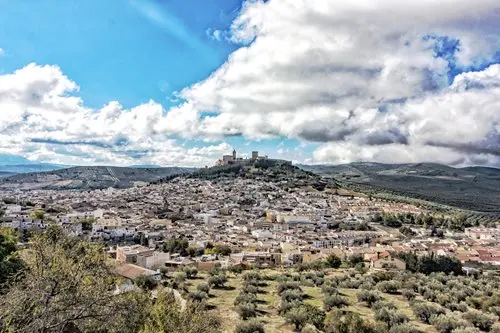
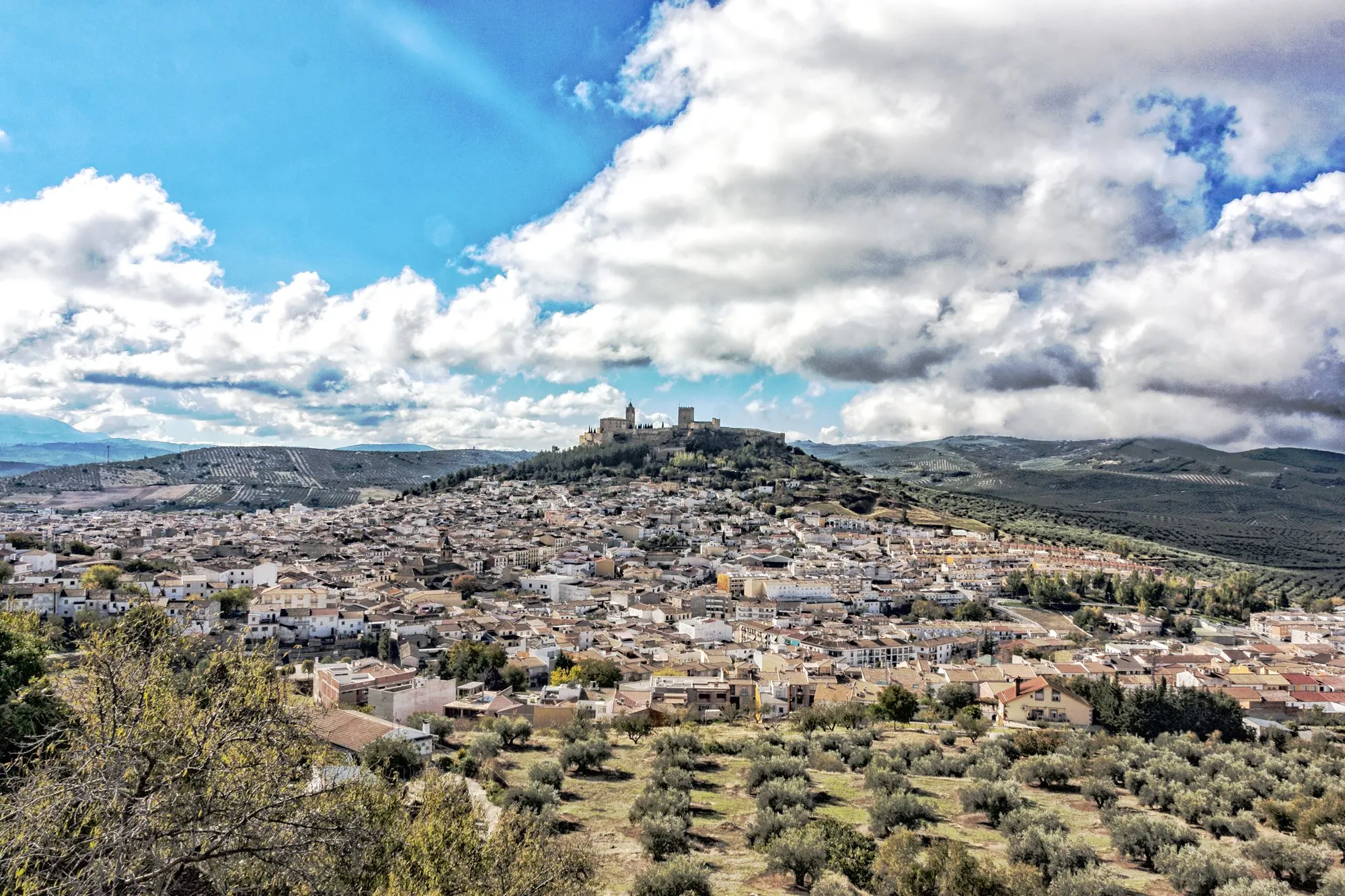
Situated in the southwestern tip of Jaén province, Alcalá la Real stands out as one of the municipalities with the most history in Spain.
Its strategic location, between the provinces of Córdoba and Granada, overseeing the Guadalquivir valley and the Granada plain, made it an important enclave in the past. Its placement on the hill of La Mota also made it a crucial site for territorial and political control in earlier times.
Within the municipality, various traces of human occupation have been found since the Palaeolithic era, with the first significant remains dating from Roman times, when the hill began to be settled.
With the arrival of the Muslims, the population began to be referred to as “Qal'at Astalīr”. Its current name actually dates from the 12th century, when it was renamed “Al-Qal'a”, which means “the fortress”. The major constructions in the area began during the time of al-Hakam II (the second Caliph of Córdoba), who built a network of towers and watchtowers to protect the territory from primarily Viking incursions.
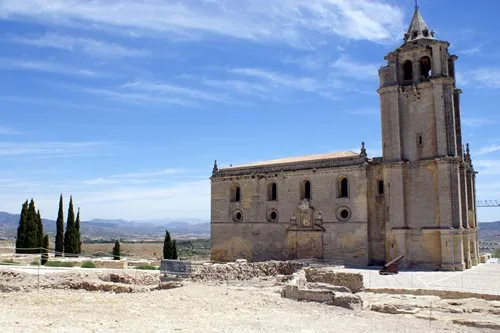
With the dissolution of the caliphate, Alcalá came to be governed by the Zirid Kingdom of Granada. A stronghold to control and conduct raids on the rest of the taifa kingdoms. Around 1140, the current La Mota fortress became a landmark structure, just when almoravid rule was falling in favour of the Almohads. At this time, the city was effectively controlled by the Banu Sa'id family, who filled Alcalá with cultural splendour.
With the advance of the Christian kingdoms, Alcalá became a crucial point for the Nasrid Kingdom of Granada, the last Muslim stronghold in the peninsula. A border stronghold from which the Castilian domains were controlled. The population fell into the hands of King Alfonso XI of Castile in 1341, a century and a half before the conquest of Granada. It was this monarch who gave it the name “la Real”. From the conquest, Alcalá lost its strategic value. The area of La Mota began to be abandoned and the town expanded. The area was occupied between 1810 and 1812 by Napoleonic troops in the context of the Peninsular War. During the Civil War, it became a border point between the rebel zone and the Republican zone.
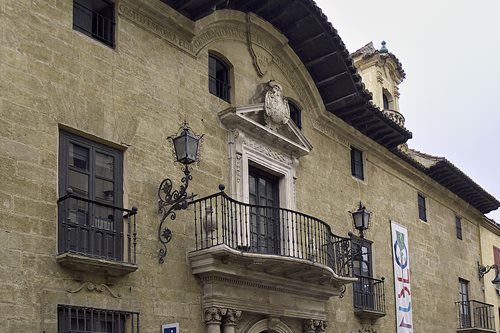
From all this history, a series of significant artistic heritage remains. From the La Mota fortress to the Abacial Palace or the Major Abacial church, a significant Renaissance construction.
Today, Alcalá la Real is a highly regarded destination for national and international tourism. Its natural spaces, heritage and gastronomy are noteworthy. Holy Week and the Etnosur music festival are two key moments in the year, when the town receives the highest number of visitors. Additionally, Alcalá is part of the European Cultural Route of the Caliphate Route, Castles and Battles, and the Passion Routes.
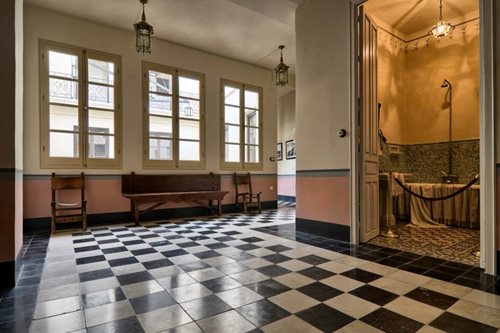

Book your hotel
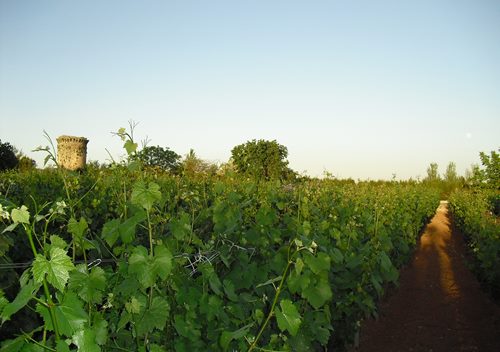
If you like to discover locally produced wines, Alcalá la Real is the perfect place for you. You'll visit Marcelino Serrano's vineyards and winery, where you'll taste three of his own wines and sample typical local aperitifs. You'll discover the complex world behind wine production, its curiosities, anecdotes, etc. All from the hand of experts, such as the winegrower and oenologist Marcelino Serrano, and Blanca María Serrano, oenologist, Technical Engineer in Agro-food Industries and Oenology Graduate from the University of Cordoba.