Cookie settings
We use our own and third-party cookies in order to offer our services, display videos, obtain statistics and offer personalized advertising.
For more information, please read our cookies policy.
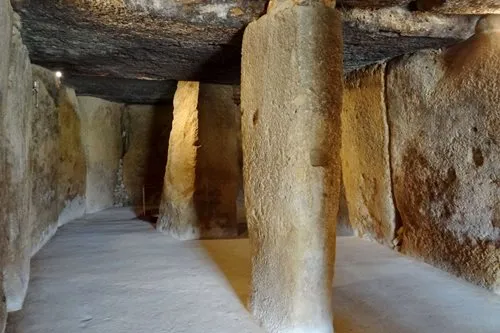
Antequera is essentially known for its archaeological and architectural heritage in which the Archaeological Complex of the Dolmens of Antequera: Menga, Viera and El Romeral stands out. These funerary constructions are the largest in Europe. The natural site of El Torcal de Antequera, of karstic origin, offers us an impressive landscape.
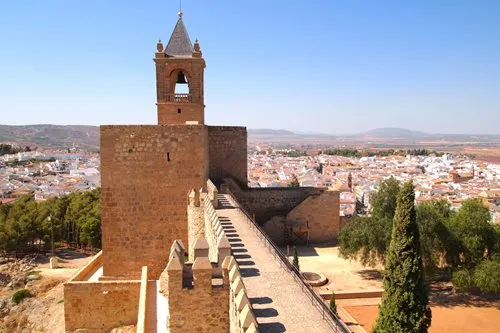
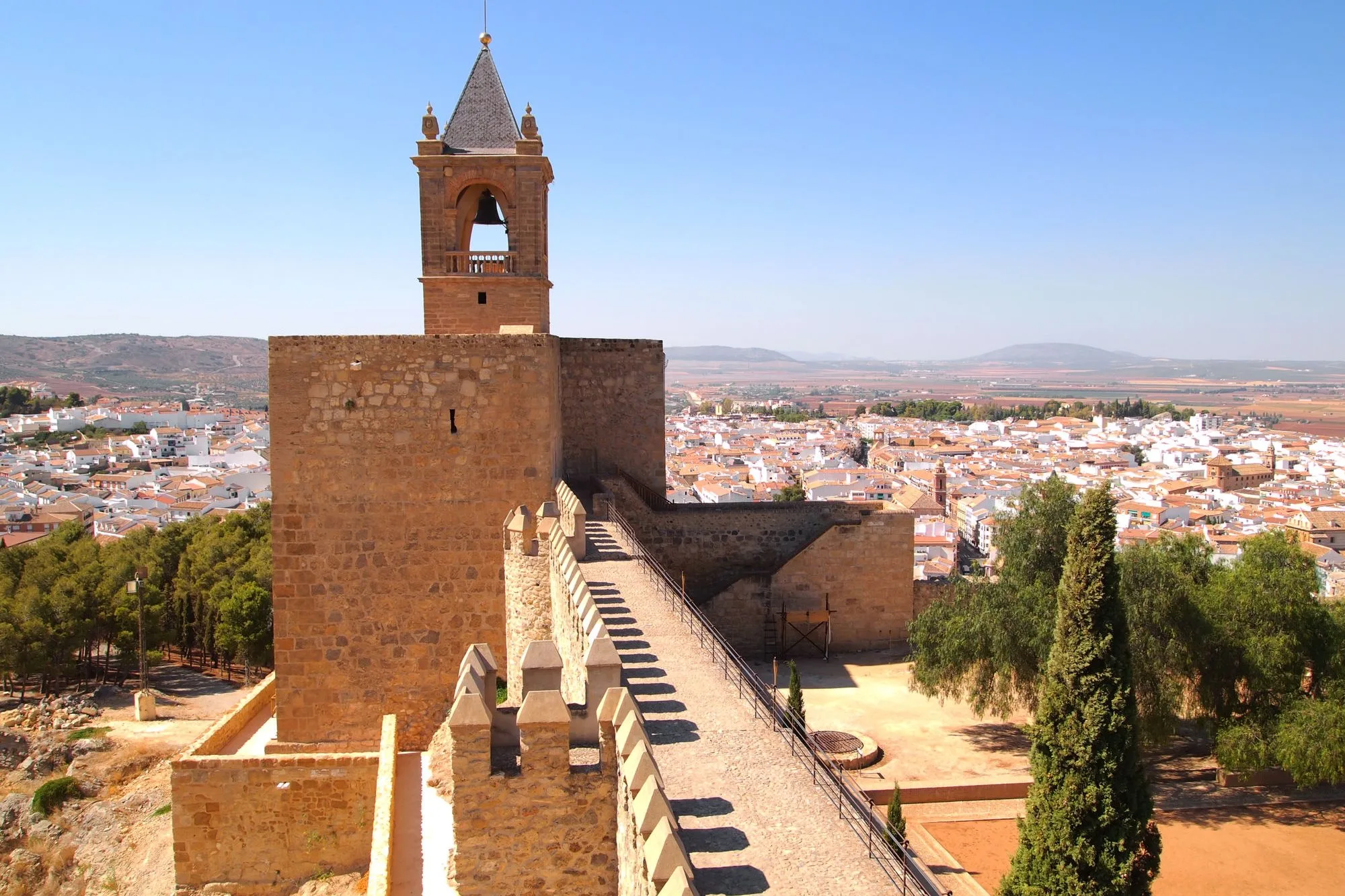
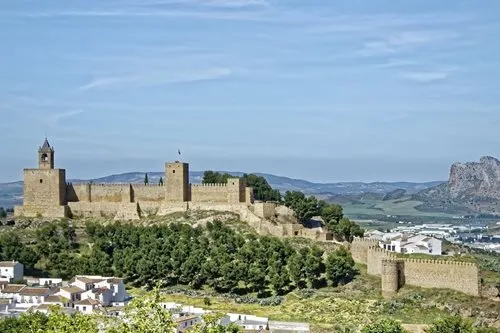
The Arab Alcazaba dominates Antequera from the top of a promontory. It has a bell tower built in the 16th century to house a bell and a clock which, since then, is known as the 'Papabellotas Clock'. This nickname has to do with its construction, since to build this temple it was necessary to sell some lands where acorns were cultivated. Very close to this ancient Arab fortress is the Arch of the Giants, which was built using the Roman remains found at the site in the 16th century.
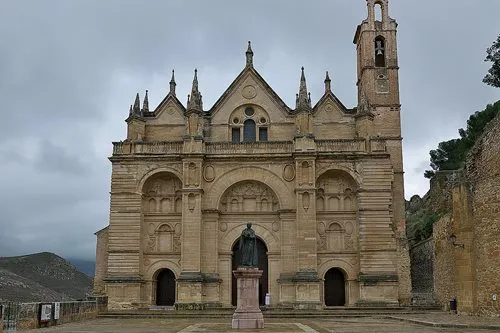
Another of the most important places in Antequera is the Royal Collegiate Church of Santa María. This temple, of extraordinary beauty and whose foundation was of great importance for the cultural life of the city of Antequera in the 17th century, was designed according to late Gothic and Renaissance architectural lines. The other collegiate church Antequera has, the Royal Collegiate Church of San Sebastián, is another of the city's distinguished temples. It was originally designed as a parish church. The tower of San Sebastián, attached to the collegiate church, is an elegant Baroque construction. The most notable feature of this collegiate church is its Plateresque-style façade divided into three sections.
The enclosed convent of the Discalced Carmelites is also an interesting visit. The pieces housed in its museum help to promote Antequera's culture, as the historical heritage accumulated over many years in this convent is of enormous interest. It highlights pieces by great masters of Baroque imagery: a bust of the Sorrowful Virgin, by the Granadan Pedro de Mena (1628-1688). On the other hand, in the Hall of La Soledad, there is the Virgin of Bethlehem, one of the best sculptures in the museum, attributed to Luisa Roldán, 'La Roldana'. The museum's pictorial chapter also deserves special attention, with paintings from the 16th to 18th centuries, with works by authors such as Antonio Mohedano, Luca Giordano, or Atanasio Bocanegra, among others. In addition, among the pieces stored in its showcases is a Shepherd Boy Jesus, attributed to the Murcian Francisco Salzillo, considered the most representative imaginer of the 18th century in Spain.
In the Nájera Palace is currently the Museum of the City of Antequera, where the Roman sculpture of the Ephebe can be admired.
The Antequera cuisine is famous for its delicious molletes, very soft and lightly baked Arab-origin breads that already have a designation of origin.
Book your hotel
Things to do
Currently, we do not have any companies with activities in Antequera.
Do you have a company that offers guided tours, events, shows, active tourism and outdoor activities or other leisure and tourism activities in Antequera? Contact us and we'll explain how to include these services for free.