Cookie settings
We use our own and third-party cookies in order to offer our services, display videos, obtain statistics and offer personalized advertising.
For more information, please read our cookies policy.
On the banks of the Segura River lies the city of Murcia. Capital of the province and the autonomous community of the same name, it is located right at the centre of the Huerta region.
Despite known traces of earlier times, such as the Roman villa of Murtia, the origin of the city of Murcia is often placed in the Andalusian period. It was supposedly the emir Abderramán II who ordered its founding to maintain better control of the area from Córdoba. From its founding, the city and its surroundings amazingly exploited water resources, transforming the landscape. The use of canals, wells, pipelines, and different uses of the Segura River increased over time. Thus, in the 10th century, the city became the capital of the Cora of Tudmir, a political subdivision of the emirate of Córdoba.
After the Christian victory at the Battle of Las Navas de Tolosa in 1212, the taifa of Murcia was left unprotected against the Castilian advance. Initially, Prince Alfonso of Castile (future Alfonso X) agreed with Ibn Hud al-Dawla on the city's vassalage in 1243. Finally, rebellions of the Murcian population against the Castilian Crown led Alfonso X to seek help from Jaime I of Aragon, who conquered the entire territory. This marked the beginning of centuries of territorial disputes between Castile and Aragon, which eventually ended with the union of the crowns under the marriage of the Catholic Monarchs. Indeed, Murcia was a vital point from which the invasion of Granada was led. From the 18th century, Murcia experienced a period of economic expansion. This was mainly due to the growth of the agricultural sector and the typical products of the Huerta.
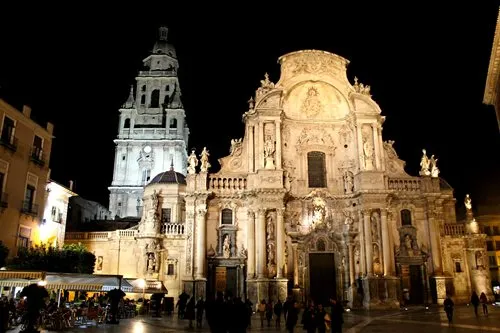
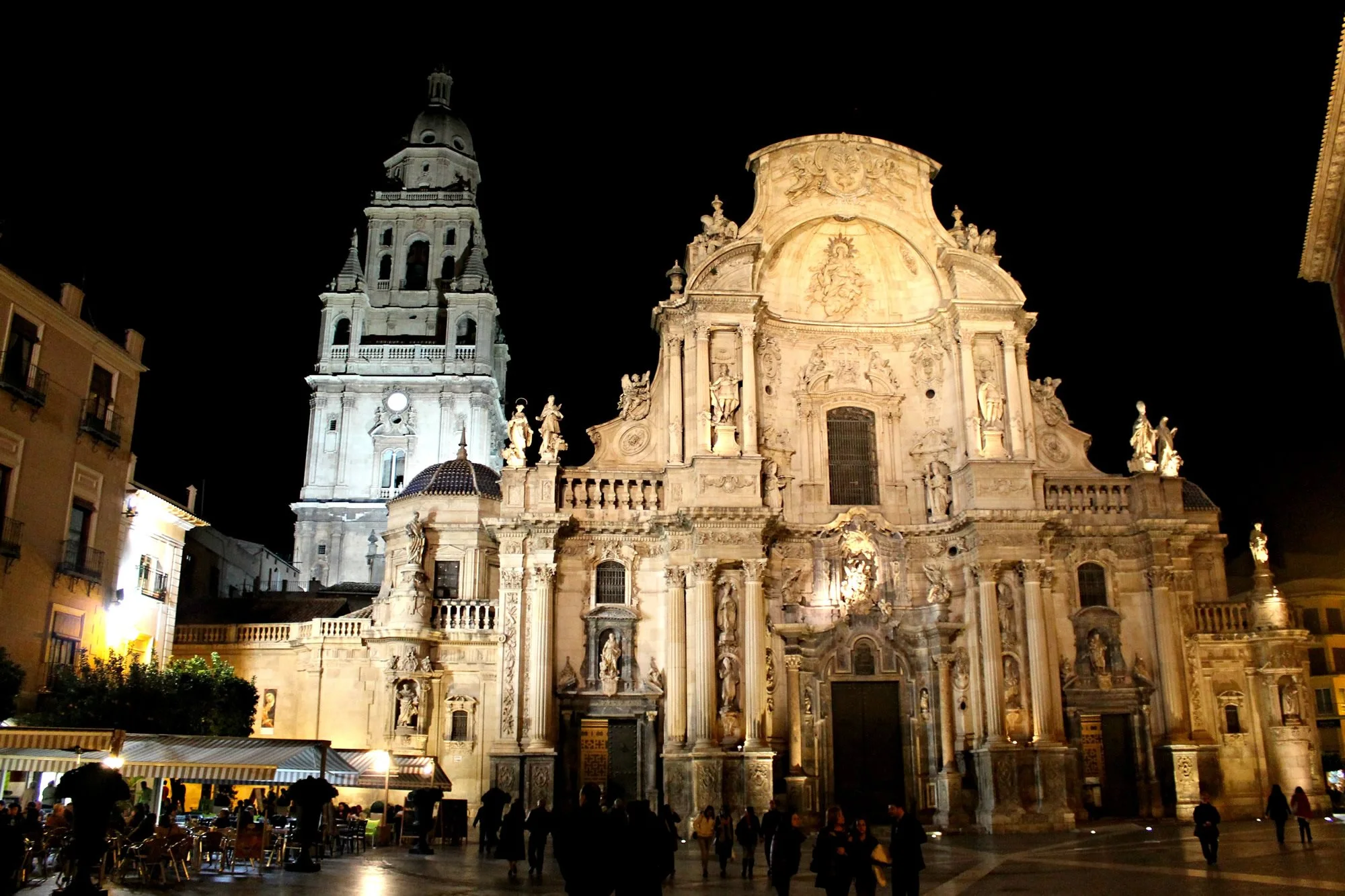
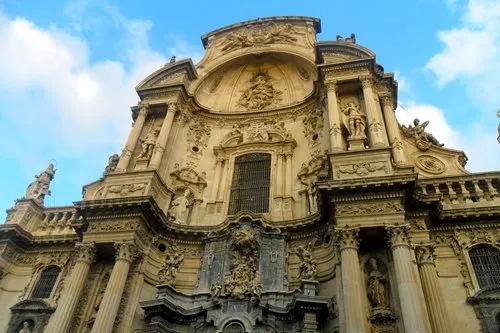
As we can observe, Murcia was a city of great relevance during the Middle Ages. As a result, a variety of monuments from this period have survived to the present day. For example, the Cathedral of Santa María, which began construction in the 14th century. It exhibits three different styles: Gothic, Renaissance, and Baroque.
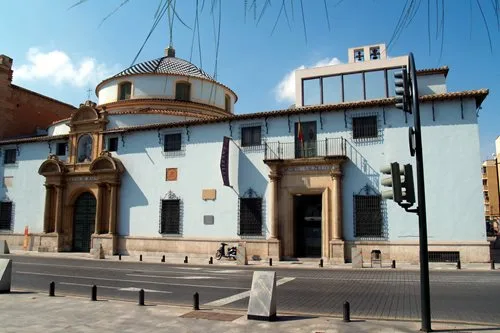
On the other hand, other heritage sites of great value are worth noting. For instance, the Church of Father Jesus and the Salzillo Museum, the Monastery of Santa Clara la Real, or the Vélez Chapel.
Murcia also boasts a number of quite popular natural spaces. For example, the entire plain of the Segura River or the El Valle and Carrascoy regional park.
All this is complemented by a diverse gastronomic and leisure offer. From music festivals to various museum spaces, with bars and restaurants where you can enjoy typical products from the Murcian garden.

Book your hotel
Things to do
Currently, we do not have any companies with activities in Murcia.
Do you have a company that offers guided tours, events, shows, active tourism and outdoor activities or other leisure and tourism activities in Murcia? Contact us and we'll explain how to include these services for free.