Cookie settings
We use our own and third-party cookies in order to offer our services, display videos, obtain statistics and offer personalized advertising.
For more information, please read our cookies policy.
The province of Palencia, one of the oldest in Spain, hides many places for visitors to discover. It features numerous prehistoric and Roman remains; and during the Reconquista in the Middle Ages, it was a focus of conflicts for being on the frontier of Castile and León.
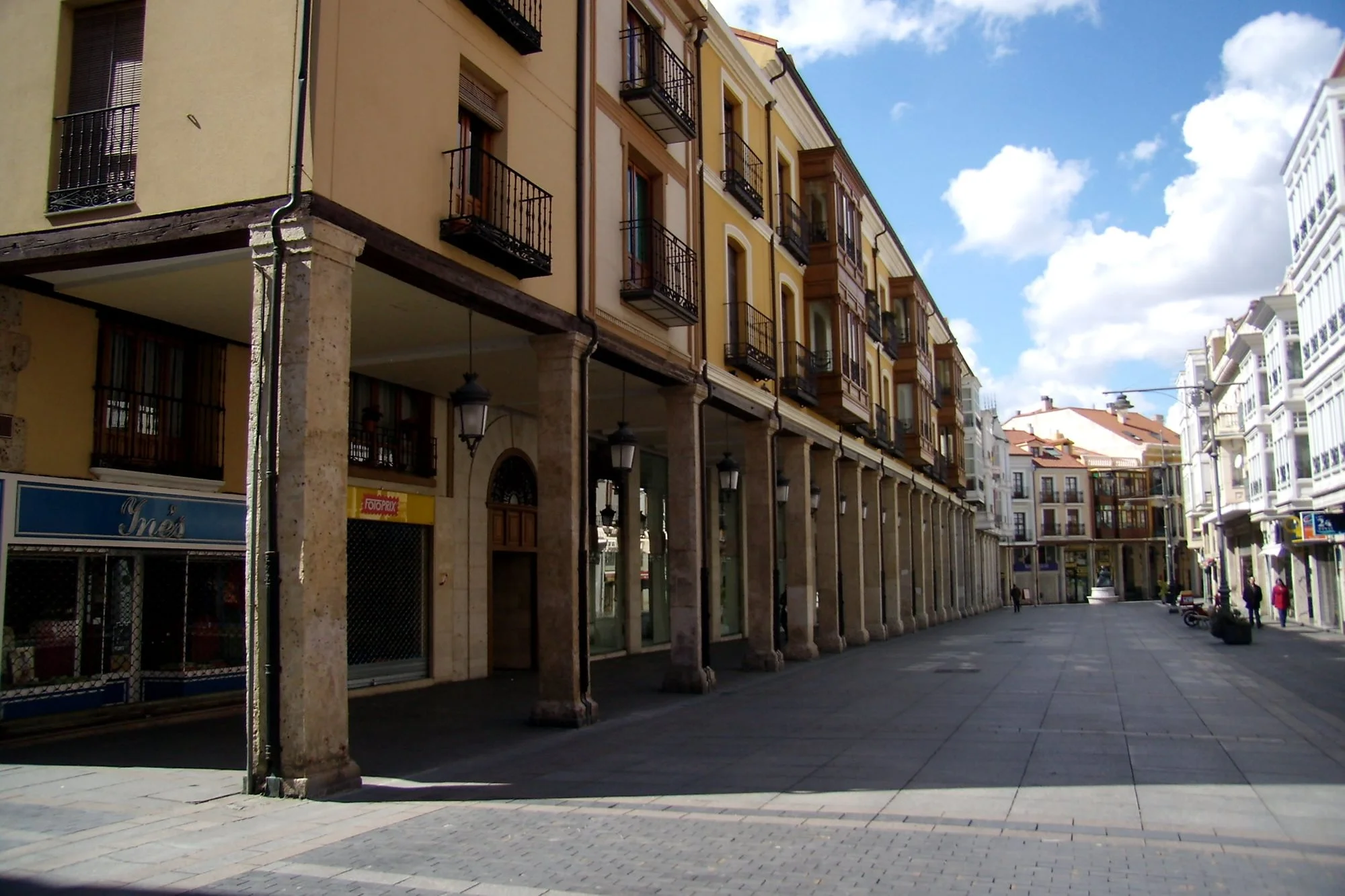
In the capital, we can admire the cathedral of Palencia, austere, in Gothic-Renaissance style, whose tower is very imposing due to its dimensions. The church of San Miguel is another of the temples that can be seen in the capital. It dates from the 11th century but was rebuilt in the 13th century. On its altar, there is a 15th-century sculpted Christ. Moreover, like all Castilian provinces, Palencia's capital has a Main Square that serves as a meeting space. The Cristo del Otero is one of the symbols of the capital. It was created by a sculptor from Palencia and is one of the largest statues of Christ in the world.
Additionally, across the province of Palencia, one can appreciate Romanesque architectural works, most located directly on the Camino de Santiago. San Martín de Frómista is one of the most outstanding architectural jewels of European Romanesque. In Carrión de los Condes, which is also part of the Camino de Santiago, numerous medieval religious buildings can also be found, such as the church of Santiago, where there is a Pantocrator considered one of the most beautiful of the Romanesque period.
Many medieval castles can also be visited in the province. The most notable are located in the towns of Aguilar de Campoo or Fuentes de Valdepero, where the Castle of Sarmiento is situated.
In villages such as Pedrosa de la Vega or Quintanilla de la Cueza are two of the best-preserved Roman villas in Spain.
On the other hand, in Cardaño de Arriba lies one of the most beautiful natural settings in Palencia: the Pozo de las Lomas, with a glacial lake. In San Cebrián de Mudá, one can visit Bisonbonasus, one of Europe's bison reserves, where you can observe them roaming semi-free.
Palencia's gastronomy includes notable dishes such as roast suckling pig or stewed pigeon; and sweets like the Brazos de San Lorenzo.
The city of Palencia is situated on the banks of the Carrión River, in the natural region of Tierra de Campos. A truly unique place where you can breathe typically Castilian air.

Book your hotel