Cookie settings
We use our own and third-party cookies in order to offer our services, display videos, obtain statistics and offer personalized advertising.
For more information, please read our cookies policy.
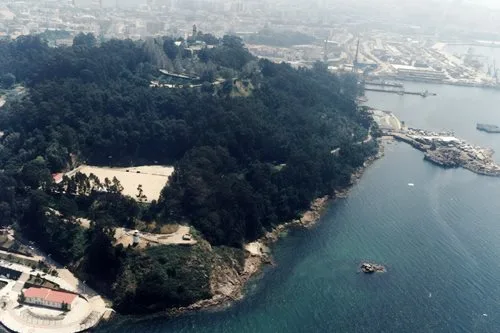
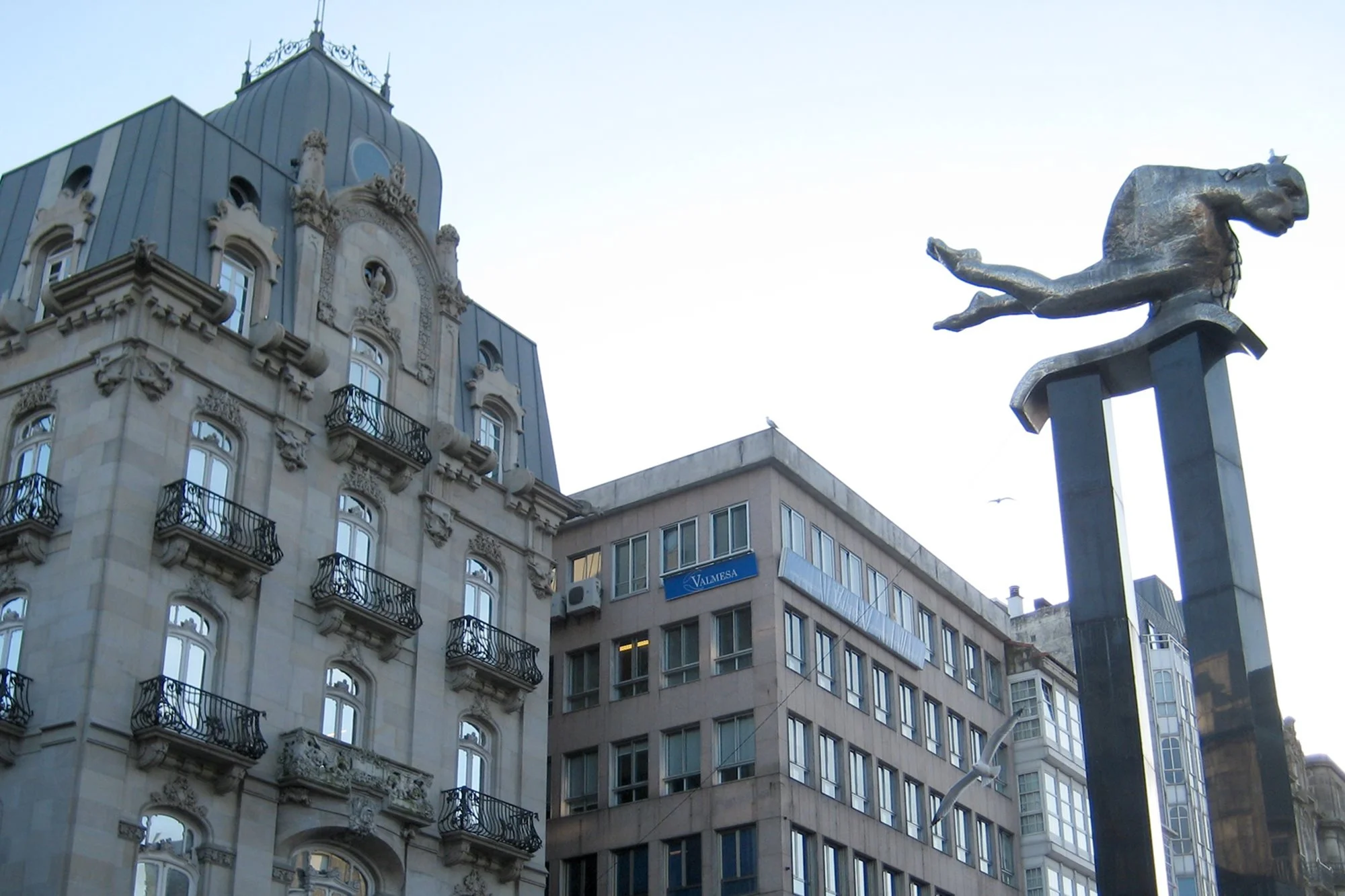
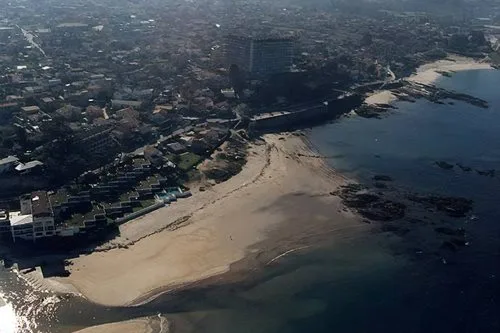
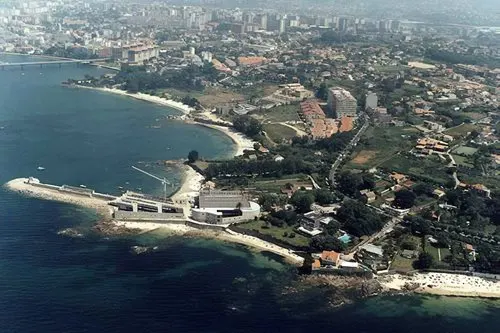
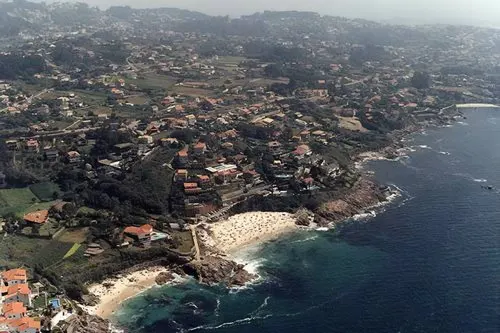
Located in the province of Pontevedra, Vigo is a Galician city in the region of the Rías Baixas. A coastal municipality with a very unique history, determined by its geographical location and the importance of the Ría de Vigo.
The comarca of Vigo and the area now occupied by the city have been populated since prehistoric times. From those times, millennia ago, we have remnants such as the Dolmen a Casa dos Mouros. During the Bronze Age, around the 8th century BC, the Castro culture began to develop, whose main sites are the well-known castros or fortified settlements. The largest settlement of this type known in the Vigo area is the one located at what is now called Monte del Castro. This culture was the precursor to the occupation by the Celtic peoples, who greatly influenced Galicia and more specifically the Vigo area. With the Roman arrival, the Vigo area became a very important commercial point. Excavations carried out in the old town and the Arenal have demonstrated the importance of the settlement.
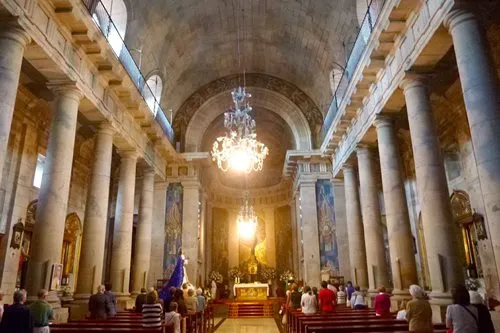
Little is known about Vigo in the Early Middle Ages. It is known from a series of documents that in the 11th century the current core remained populated, with several Romanesque churches that have not endured. Indeed, from the medieval period only the churches of Santa María de Castrelos, San Salvador de Corujo, and Santiago de Bembrive have been preserved. From this period the bridges of Castrelos and Sárdoma have also been preserved. During the Modern Age, pirate attacks made it necessary to build a walled enclosure and the imposing Castle of San Sebastián. At that time, Vigo was quite a wealthy and prosperous city, often suffering incursions from English pirates.
It is worth noting how Vigo has been a source of inspiration in music, poetry, or literature. The famous case of Jules Verne, who visited the city in 1878 with the aim of seeing the San Simón Cove, which would end up appearing in 20,000 Leagues Under the Sea.
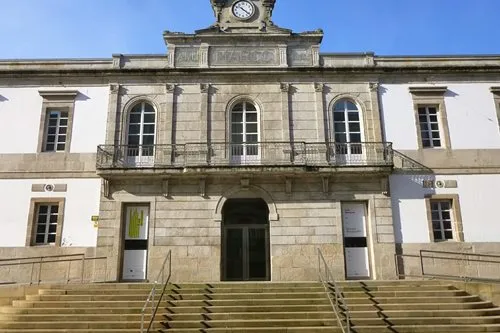
Today it is a city where you can enjoy excellent cultural heritage along with unique beaches and gastronomy. Highlights include beaches like A Calzoa and A Lagoa. A visit to the Museo de Arte Contemporáneo de Vigo is also a must. When it comes to gastronomy, you cannot leave the city without enjoying its famous oysters in the Casco Vello.
Finally, it should be noted how Vigo is a departure point to the Cíes Islands, which receive an increasing number of visits every day.

Book your hotel
Things to do
Currently, we do not have any companies with activities in Vigo.
Do you have a company that offers guided tours, events, shows, active tourism and outdoor activities or other leisure and tourism activities in Vigo? Contact us and we'll explain how to include these services for free.