Cookie settings
We use our own and third-party cookies in order to offer our services, display videos, obtain statistics and offer personalized advertising.
For more information, please read our cookies policy.
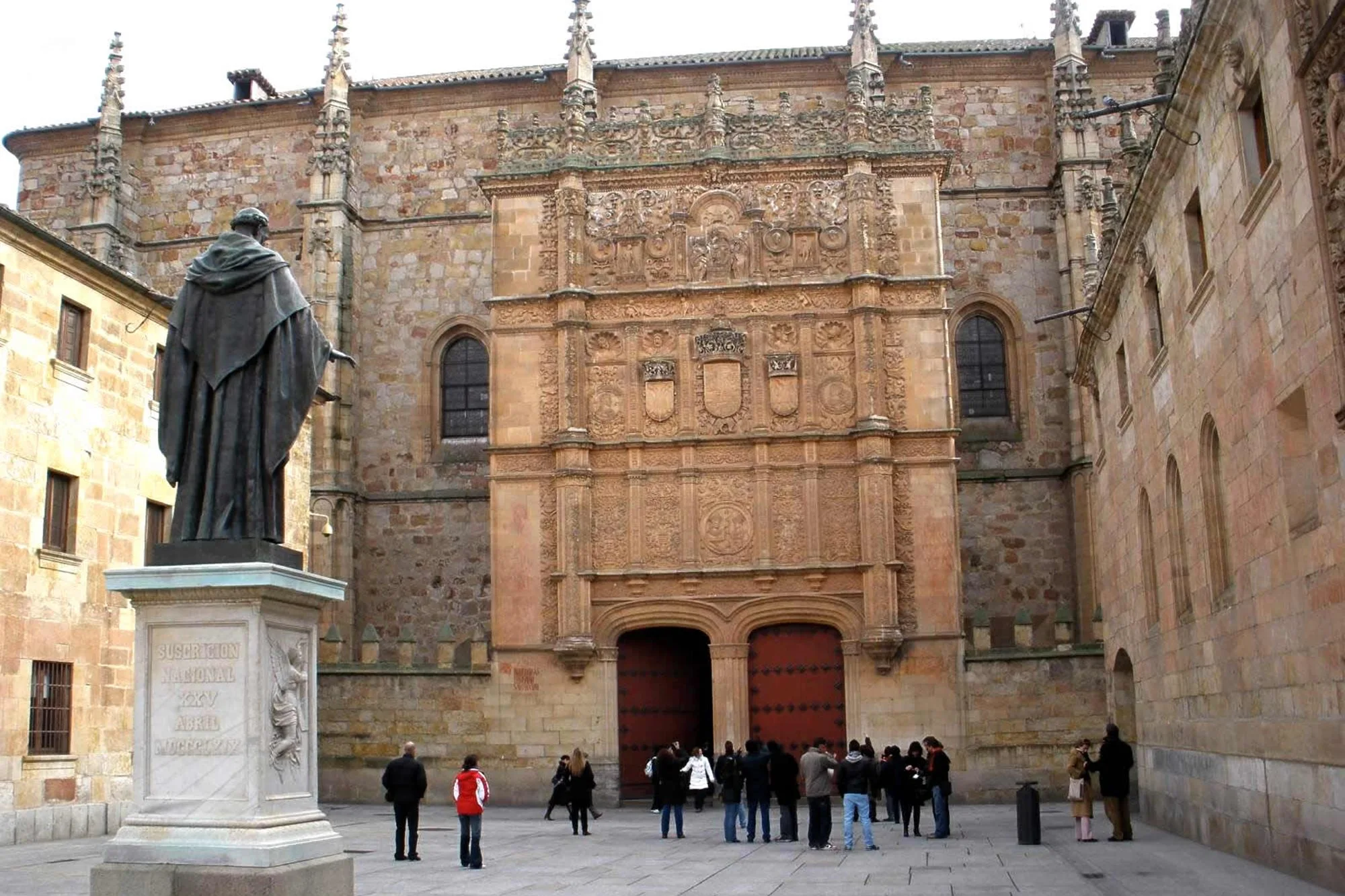
It is the main tourist centre of Castile and León. Its university is the oldest active in Spain, which makes Salamanca one of the quintessential Spanish university cities alongside others like Granada.
Furthermore, the Salamanca Holy Week, very different from the Andalusian one and whose origins date back to the 17th century, is considered a Festival of International Tourist Interest. Salamanca boasts a great historical and architectural heritage where many places stand out, including the cathedral complex, comprising the New Cathedral and the Old Cathedral; the Clerecía, a Baroque building by Gómez de Mora and García de Quiñones and now home to the Pontifical University; the church of San Marcos, Romanesque and circular in plan; the Monterrey Palace, the finest example of Plateresque in Spain and home to the Casa de Alba Foundation; the Plaza Mayor, the complex of buildings that are part of its university (Escuelas Mayores, Escuelas Menores and the Hospital de Estudio); the convent of San Esteban, from the 16th century and whose Baroque altarpiece is the work of José Churriguera; the College of the Archbishop Fonseca, the House of Shells or the Garden of Calixto and Melibea, the garden in which Fernando de Rojas was inspired to set the love affairs of the protagonists of La Celestina. Additionally, many legends revolve around searching for a carved frog on the University of Salamanca facade. To enjoy a panoramic view of the city and its monuments, visiting the Scala Coeli in the Clerecía is worthwhile.
On the other hand, some municipalities of the Salamanca province like Béjar or Ciudad Rodrigo are renowned for their medieval heritage, featuring castles and walls as well as religious buildings of different architectural styles. In Ciudad Rodrigo, also popular for its carnivals celebrated in February, one of the most important archaeological sites in the province, Siega Verde, is located. There, numerous Palaeolithic engravings can be found. The province of Salamanca also preserves archaeological remains of the area's first settlers, the Vettones. La Alberca or Miranda del Castañar are two other typically medieval and Castilian municipalities. Both, along with Ciudad Rodrigo, are part of the Network of the Most Beautiful Villages of Spain.
The natural park of Arribes del Duero includes some of the municipalities of the Salamanca province and also part of Zamora. Rich in plant and animal species, Arribes Natural Park also has several archaeological sites like Vilvestre.
The cuisine of Salamanca is known for its hornazos, meats, and bollos maimones.

Famous for its university, one of the oldest in Spain, Salamanca boasts a historic centre declared a World Heritage Site. Notable sites within it include the Old and New Cathedrals and La Clerecía. Salamanca's Plaza Mayor is of baroque style and one of the most beautiful in Spain. The city's cultural offerings are completed by the Salamanca Museum or the Art Deco and Art Nouveau Museum. Salamanca's gastronomy is based on meat dishes, sausages, hornazos, and other typical Castilian products.
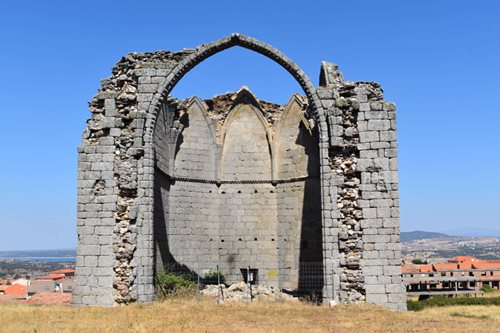
Guijuelo is the capital of the homonymous Salamanca region, the nerve centre of Iberian ham in Spain. Here, hams from brands known worldwide such as "Víctor Gómez" are produced.

Book your hotel