Cookie settings
We use our own and third-party cookies in order to offer our services, display videos, obtain statistics and offer personalized advertising.
For more information, please read our cookies policy.
Carmona is located in the heart of the Sevillian countryside, an essential agricultural landscape in Andalusia and Spain. Its history is truly fascinating and has seen a plethora of peoples and cultures pass through.
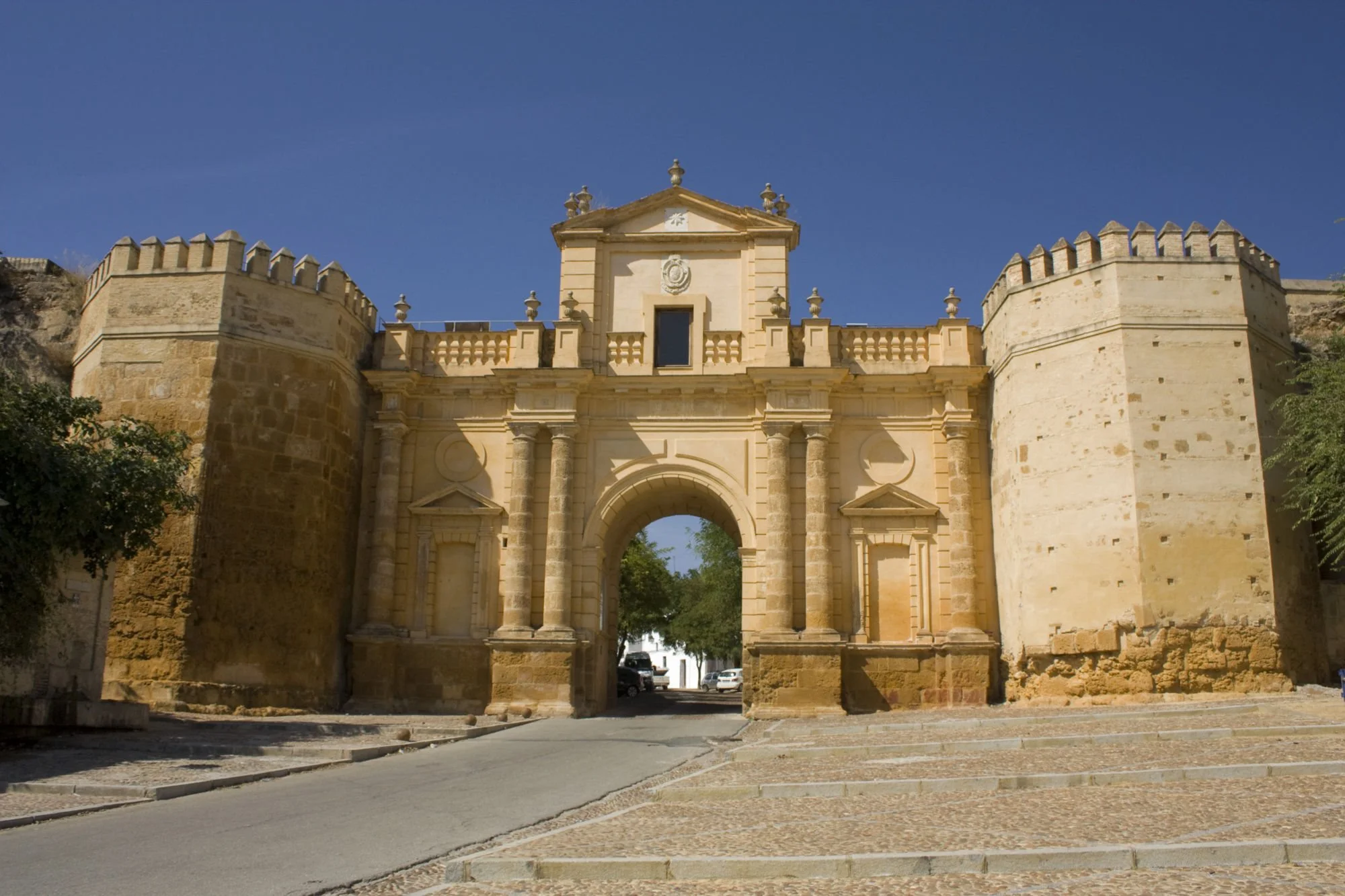
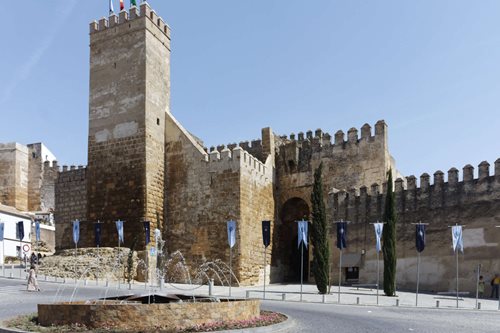
Like many municipalities in Andalusia, it boasts an exceptionally rich heritage and historical remains that date back thousands of years. Probably, what stands out above all is the section that remains walled from Roman times. Indeed, in 1963, the "area included within the walled enclosure of Carmona" was declared a historic ensemble. Also from the Roman era, an important metropolis stands out, where two significant tombs have been found: that of Sirvilia and that of the Elephant. In addition, remains of the Via Augusta and a small bridge are preserved, alongside vestiges of what was once an amphitheatre.
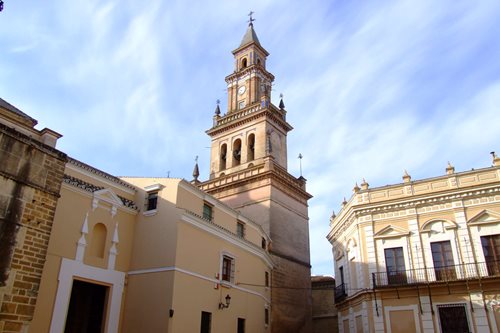
Within the walls, various monuments stand out, such as the Church of San Felipe, the Church of Santa María, the Puerta de Sevilla, the Puerta de Córdoba, and the Alcázar del Rey Don Pedro, which has been converted into a parador.
All its heritage is a clear testament to the passage of time in the area, with origins that date back to at least the Neolithic. Many of these remains can be seen in the Carmona City Museum, an ideal place to learn more about the town's history.
Carmona is located within a series of routes that aim to link its heritage with the spectacular natural surroundings. Notable routes include the Betic Roman Route and the Paths of Passion Route.
Regarding its gastronomy, Carmona is known for the production of the "torta inglesa," a delicious sweet treat. It is also a vital point in the production of liquors such as anise or gin. Among its festivities, Easter Week stands out as one of the most spectacular in Andalusia.
Book your hotel
Things to do
Currently, we do not have any companies with activities in Carmona.
Do you have a company that offers guided tours, events, shows, active tourism and outdoor activities or other leisure and tourism activities in Carmona? Contact us and we'll explain how to include these services for free.
