Cookie settings
We use our own and third-party cookies in order to offer our services, display videos, obtain statistics and offer personalized advertising.
For more information, please read our cookies policy.
Écija is located in the Sevillian district that bears its name, bordering the province of Córdoba, the Sierra Sur of Seville, and the Campiña of Carmona.
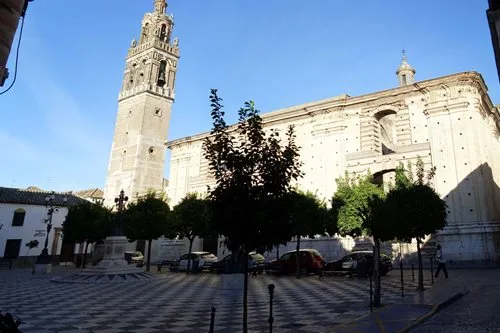
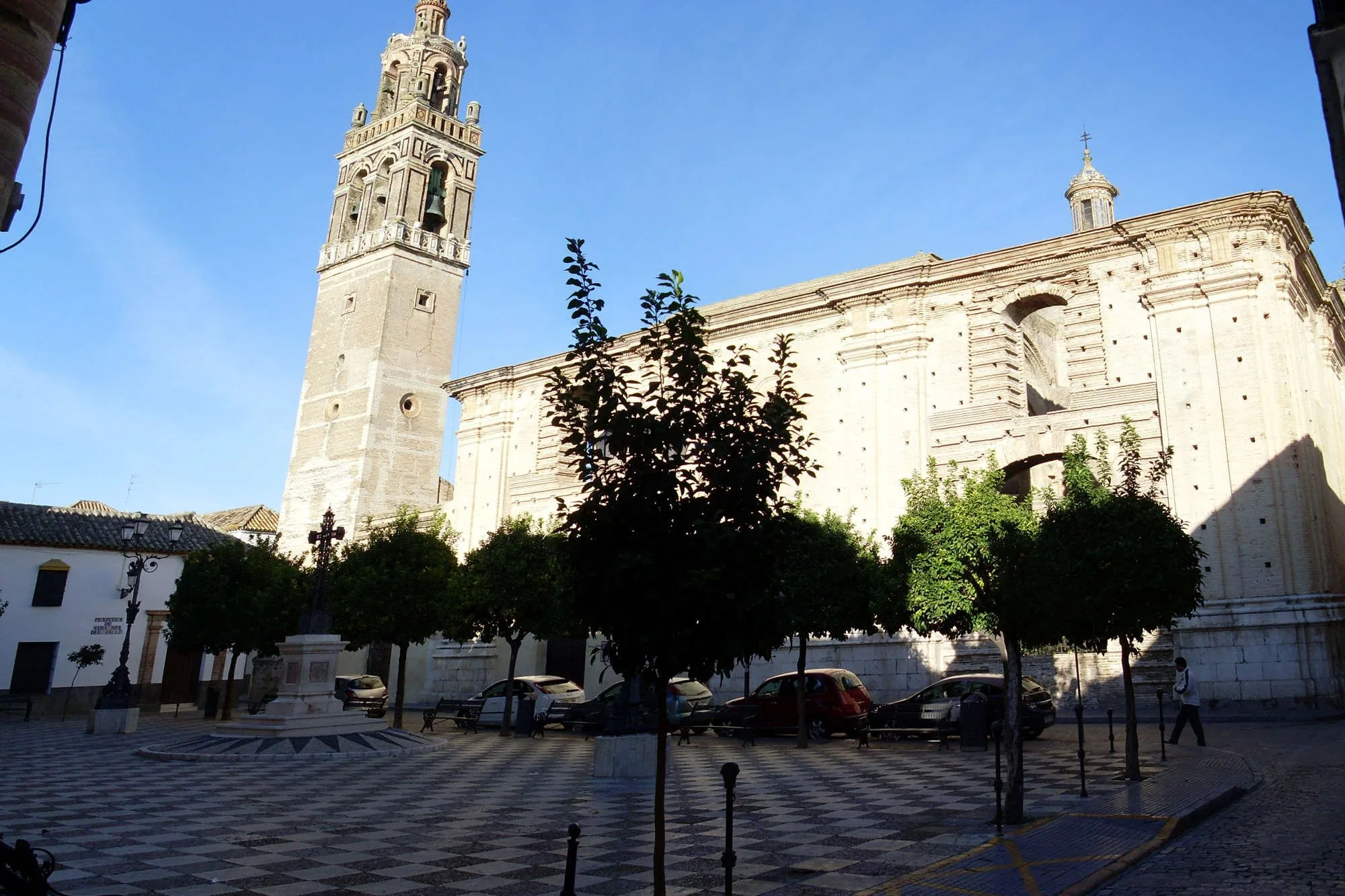
Besides being known as the "City of the Sun" or popularly as "the Frying Pan of Andalusia", it is monumentally referred to as "the City of Towers", since up to eleven towers rise from its urban landscape. These eleven towers belong to the churches of this locality. Its historical heritage is so significant that it is declared a Historic-Artistic Complex, featuring seven convents, more than ten palaces, and around five museums. Additionally, its architecture is a prime example of the Andalusian Baroque. Temples such as the Church of Santa María, the Church of Santiago or the Church of Santa Cruz are artistically splendid both inside and out.
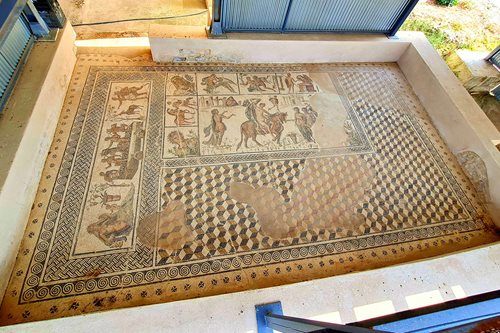
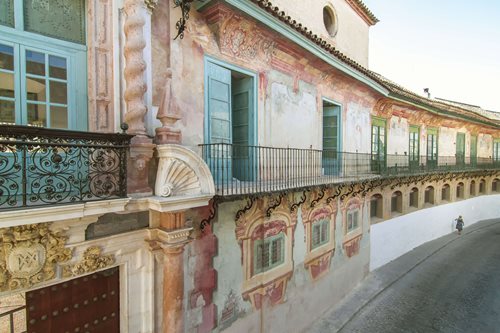
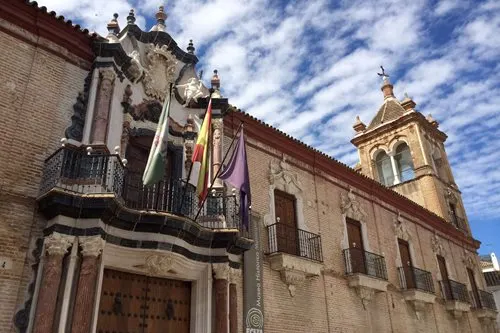
During the reign of Roman Emperor Augustus, this city was founded with the name Astigi. Beautiful Roman mosaics are still preserved at the Archaeological Museum, within the Palace of Benamejí. Also located here is the Roman sculpture of the Wounded Amazon, the only one found outside Rome and the best preserved. Precisely, this palace is one of the beautiful examples of Ecijian eighteenth-century civil architecture, together with the Palace of Peñaflor, which has Europe's longest balcony, among others.
Other Roman vestiges worth mentioning include the first-century B.C. pool found in Plaza de España. The archaeological remains of Écija's past can also be found when strolling through its streets, integrated with the current elements, such as the Almohad wall of the old villa existing in the Middle Ages. From this Almohad period dates the Archaeological Site of Plaza de Armas, located in the old Royal Alcázar. At this site, you can view a chronological line of the city's history, featuring remains from the Tartessos, Turdetani, Romans, highlighting the Mosaic of the Loves of Zeus, and Arabs (9th century B.C. to 15th century A.D.).
No less significant is the rich local gastronomy. It's worth trying their traditional recipes like the famous Yemas El Ecijano, lard cakes or those of San Martín de Porres.
As a vital intangible heritage of Écija, there is its Holy Week, declared of National Tourist Interest. During it, impressive Renaissance and Baroque sculptures by artists like Pedro Duque Cornejo, Pedro Roldán, Alonso de Mena, and Gaspar del Águila, among others, are carried in procession. Moreover, for over thirty years, the Ecijana Flamenco Night has been celebrated in July here. Not forgetting the San Mateo Fair, which takes place in September.

Book your hotel
Things to do
Currently, we do not have any companies with activities in Écija.
Do you have a company that offers guided tours, events, shows, active tourism and outdoor activities or other leisure and tourism activities in Écija? Contact us and we'll explain how to include these services for free.