Cookie settings
We use our own and third-party cookies in order to offer our services, display videos, obtain statistics and offer personalized advertising.
For more information, please read our cookies policy.
Very close to Portugal and right in the mid-course of the Duero, lies Zamora. A Castilian-Leonese city that connects Galicia with Madrid and the Portuguese territory with the Spanish.
The city was founded in the Bronze Age, although it gained significant importance with the arrival of the Celtic peoples around the 8th century BC. The nucleus was reduced to the area that today occupies the Castle, something that continued during the Roman era. It is very popular and well-known that in the surroundings of Zamora, there was great resistance against the Roman invasion. This resistance was led by the chieftain known as Viriato, to whom a statue has been dedicated in the current city.
During the Middle Ages, the city passed from Suebi to Muslim hands. During this period, it was called "Semurah". The Andalusian rule lasted really little more than a century, as Alfonso II of Asturias took over the city in 893, initiating a repopulation process. In the following centuries, Zamora was of vital importance for the Kingdom of León, being a strategic point for military operations in the south. As the conquest progressed, the city lost importance. Zamora would regain some relevance at the end of the 19th century, being an important crossing and connection point on the peninsula.
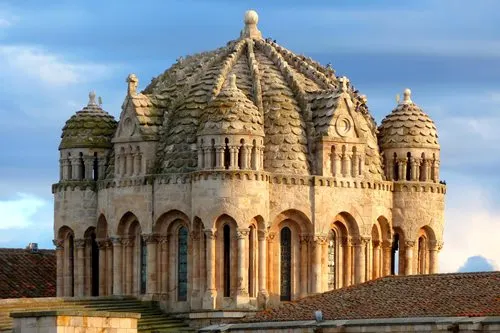
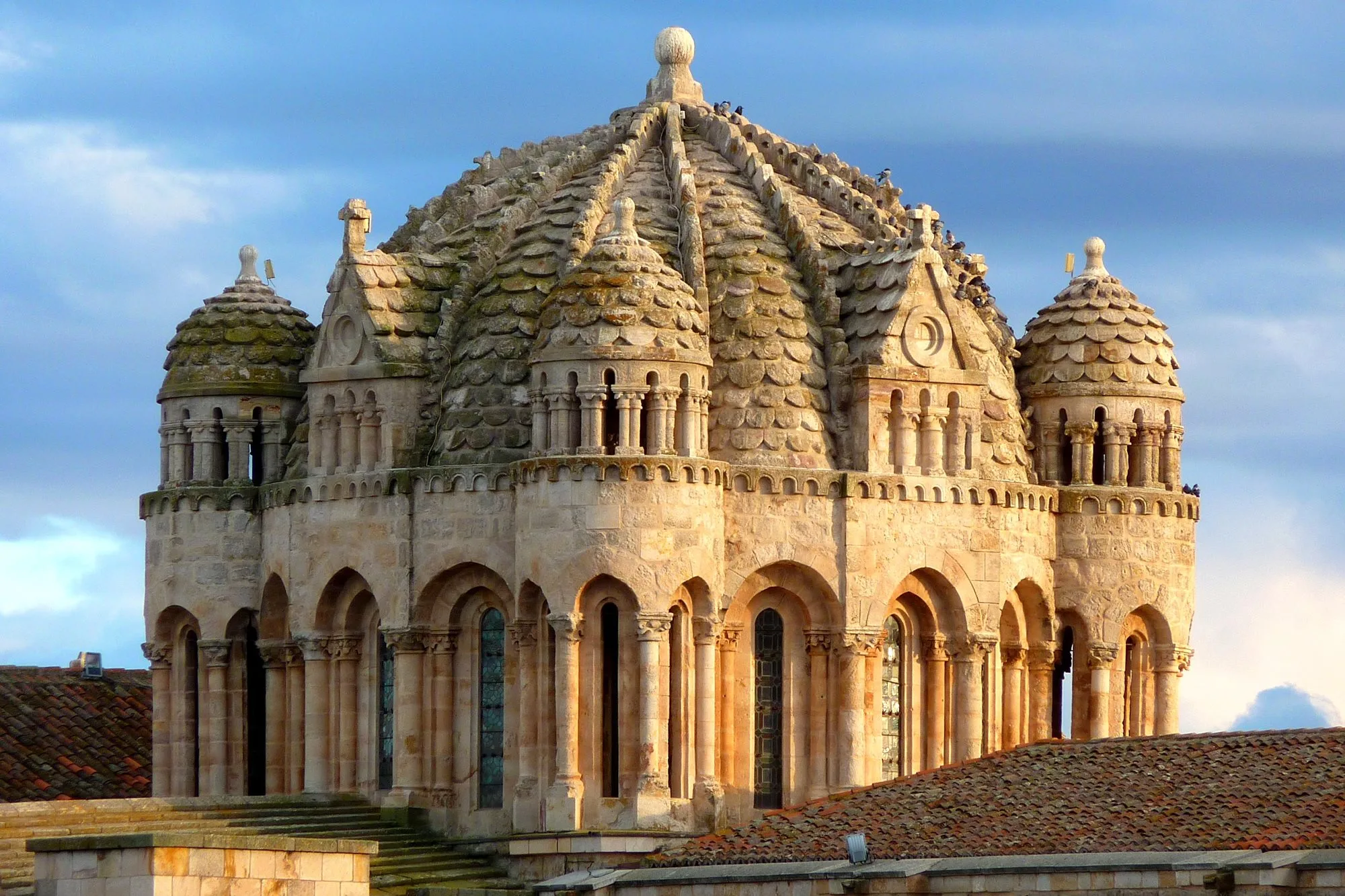
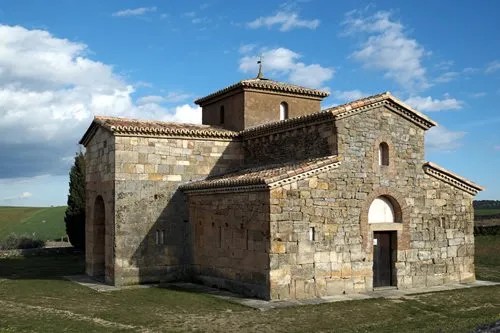
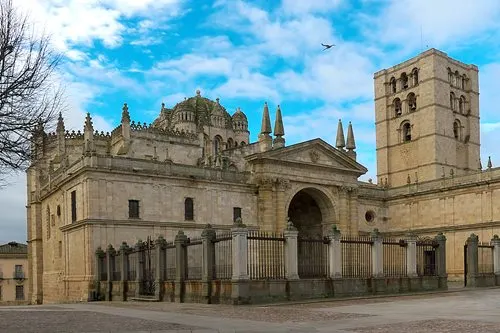
The history of Zamora has made it one of the best places to contemplate Romanesque art. In total, the city has more than twenty buildings of this type. The most representative example is the Cathedral. Also noteworthy is the Castle, where Romanesque art can also be appreciated, along with a series of defensive elements reminding us of the military importance the city once held. In fact, a stretch of its ancient walls is still visible, which is quite spectacular.
Zamora is also a place to enjoy the Duero, which forms a riverbank of over 5 km and where different species of animals can be observed, along with constructions like the stone bridge, the iron one, or the railway bridge.
The beauty of the city during festivities such as Easter is also worth mentioning. During these days, processions are common, with the Cristo de la Buena Muerta standing out, leaving no one indifferent.

Book your hotel
Things to do
Currently, we do not have any companies with activities in Zamora.
Do you have a company that offers guided tours, events, shows, active tourism and outdoor activities or other leisure and tourism activities in Zamora? Contact us and we'll explain how to include these services for free.