Cookie settings
We use our own and third-party cookies in order to offer our services, display videos, obtain statistics and offer personalized advertising.
For more information, please read our cookies policy.
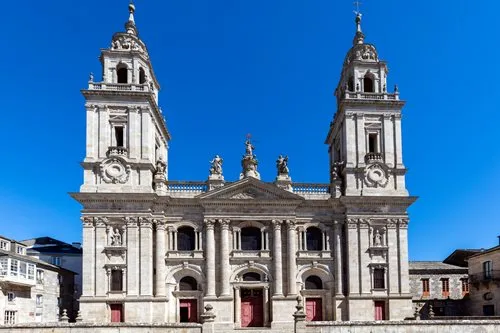
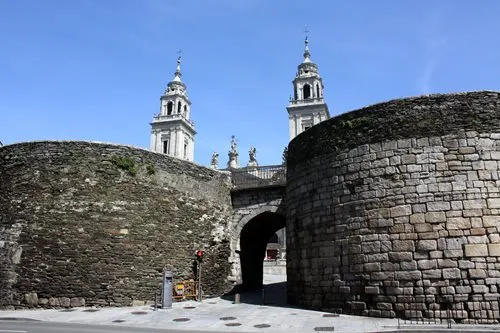
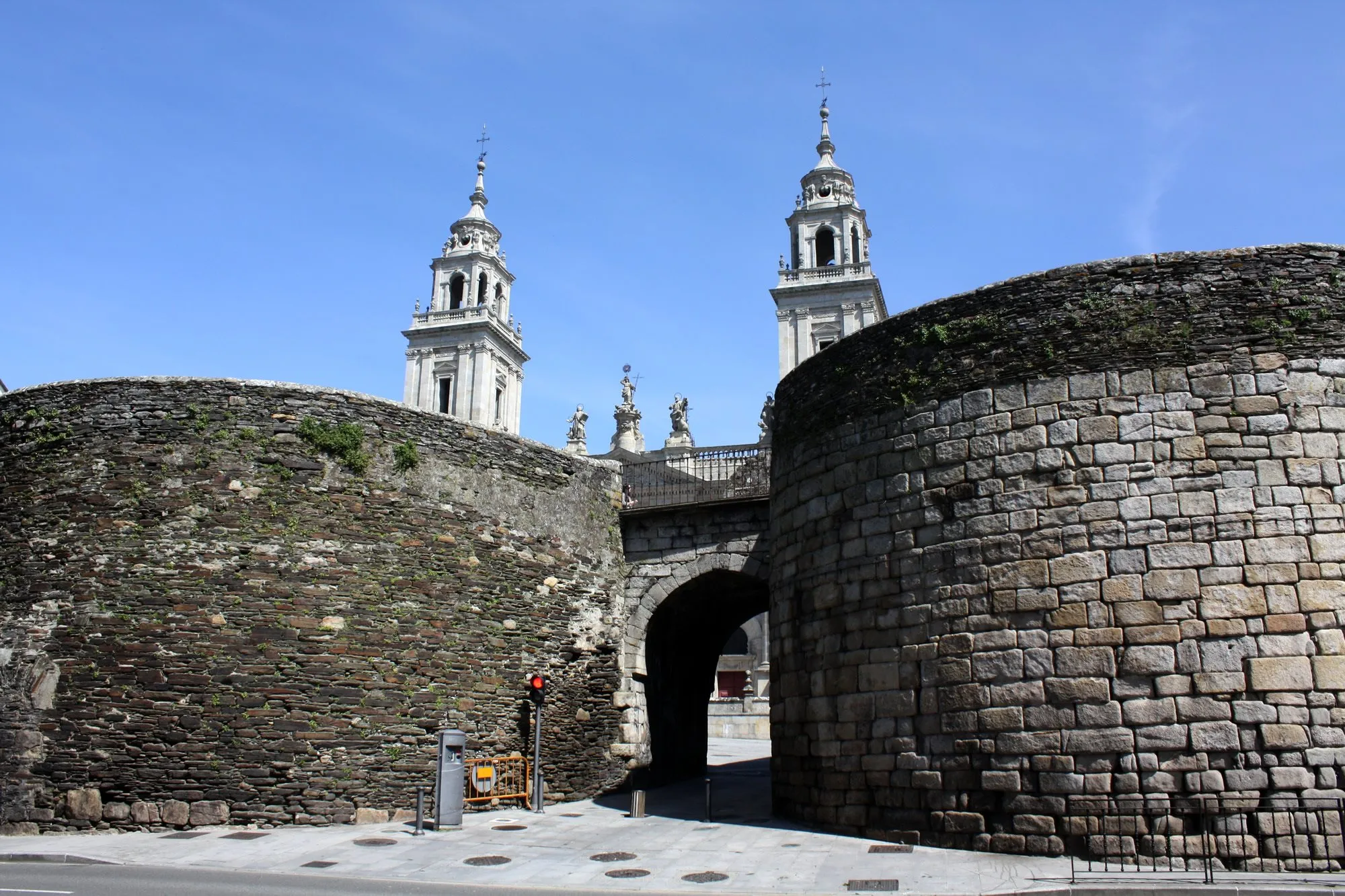
Lugo is the oldest city in Galicia. Its historic centre is surrounded by a wall whose excellent state of preservation has earned it the distinction of a World Heritage Site, as it is the only one in the world that retains its entire perimeter intact. Its enclosure of more than two kilometres marks the boundary of Lugo's historic centre. The wall has several gates: the Gate of Carmen, Porta Miñá, the New Gate, the San Pedro Gate, and the Santiago Gate; the latter was built in the 18th century and allows access to the Santa María Square, where the Cathedral of Santa María de Lugo is located. The Lugo Cathedral is notable for its Romanesque tympanum, the initial style of its construction, and the chapel of the Virgin of the Big Eyes, a work by Casas Novoa. The Episcopal Palace of Lugo is one of the finest examples of Galician Baroque.
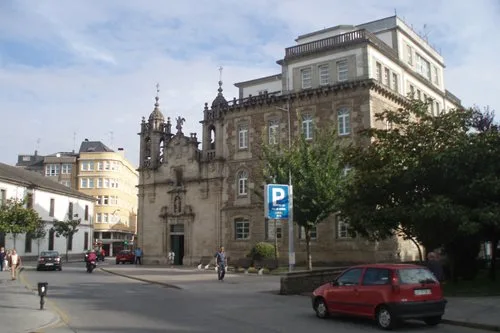
The Santo Domingo Square is one of the city's most important. Here you can visit the Conventual Church of Santo Domingo.
In the Main Square of Lugo stands the Lugo Town Hall, a baroque style building notable for its Clock Tower, a later addition that some think disrupts the architectural harmony of the building. The Church and Convent of the Franciscan Fathers, the latter housing the Provincial Museum of Lugo, are also part of the Main Square. This museum displays various pieces and remains of Celtic origin, as well as an important collection of Galician paintings.
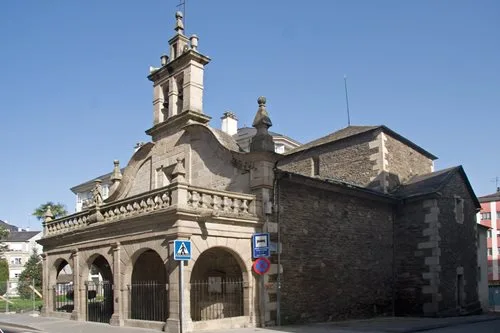
Outside its old town, Lugo also has several sites of interest such as the Chapel of San Roque, built under the canons of Galician baroque, and the Park of Miño, an extensive and beautiful green area surrounding the city.
In addition to its wall, from the Roman era, Lugo preserves various remains such as the Roman baths, located beneath Lugo's spa, the Domus del Mitreo, or the House of Mosaics, so named for the excellent preservation state of the mosaics found there. The Roman bridge of Lugo crosses the Miño River and was built during the Romanization of Galicia, although it has undergone various reconstructions over the centuries.
Within Lugo's cultural agenda, its most notable date is Arde Lucus. It is an annual festival held in June during which the city and its inhabitants recall their Roman origins. The parades of the Roman legions, the castros, and the representations of Celtic baptisms and weddings evoke the Roman Lucus.
Regarding Lugo's gastronomy, it is all summed up in one sentence: “And for eating, Lugo”. Within Galician culinary tradition, the city of Lugo is considered the best for tasting delicious dishes such as lacón with grelos, empanada, or a first-rate Galician beef. The best places to try them are the streets of the Cruz, Rúa Nova, and their surroundings.

Book your hotel
Things to do
Currently, we do not have any companies with activities in Lugo.
Do you have a company that offers guided tours, events, shows, active tourism and outdoor activities or other leisure and tourism activities in Lugo? Contact us and we'll explain how to include these services for free.