We use our own and third-party cookies in order to offer our services, display videos, obtain statistics and offer personalized advertising. You can accept all cookies by clicking "Accept". If you want to refuse all or some of them, click "Cookie settings". For more information, please read our cookies policy.
Cookie settings
×
Cookie settings
We use our own and third-party cookies in order to offer our services, display videos, obtain statistics and offer personalized advertising.
Technical Cookies
These cookies allow the user to navigate the website and use the different options and services offered. InSpain.org uses its own and third-party technical cookies. Our website needs some technical cookies to work properly. These cookies cannot be disabled.
Analytical cookies
These cookies allow the tracking and the analysis of the behavior of website visitors. The gathered information is used for measuring the website activity and to develop statistics to further improve the website. InSpain.org uses third-party analytical cookies.
Behavioural advertising cookies
These cookies collect information about your browsing habits in order to make advertising relevant to you and your interests. InSpain.org uses its own and third-party behavioural advertising cookies.
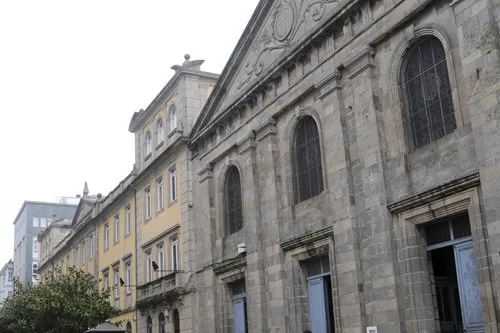
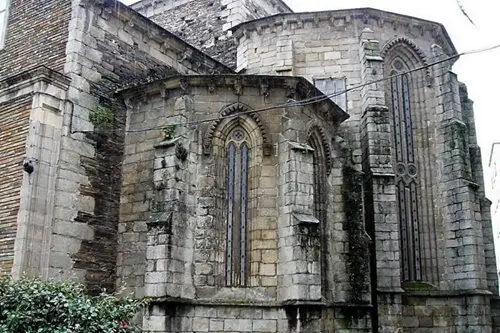
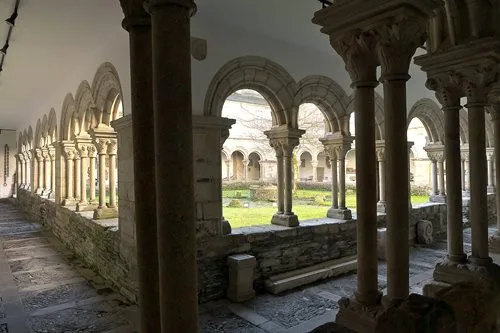
Built in the 13th century, with an ogival plan of Romanesque tradition. From the original Gothic construction, only the three apses of the head are visible from the outside.
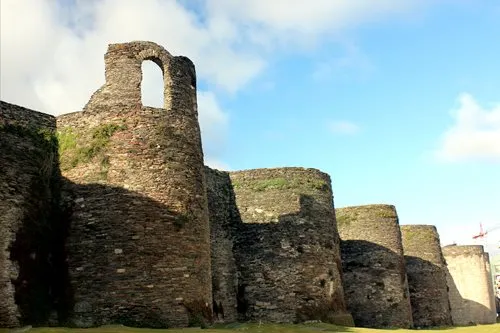
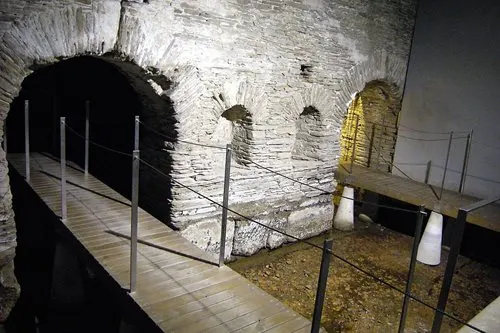
The city wall was part of a defensive complex comprising a ditch, wall and an intervallum. Furthermore, it is the only one, anywhere in the three continents that saw Roman domination, to maintain its entire perimeter intact.
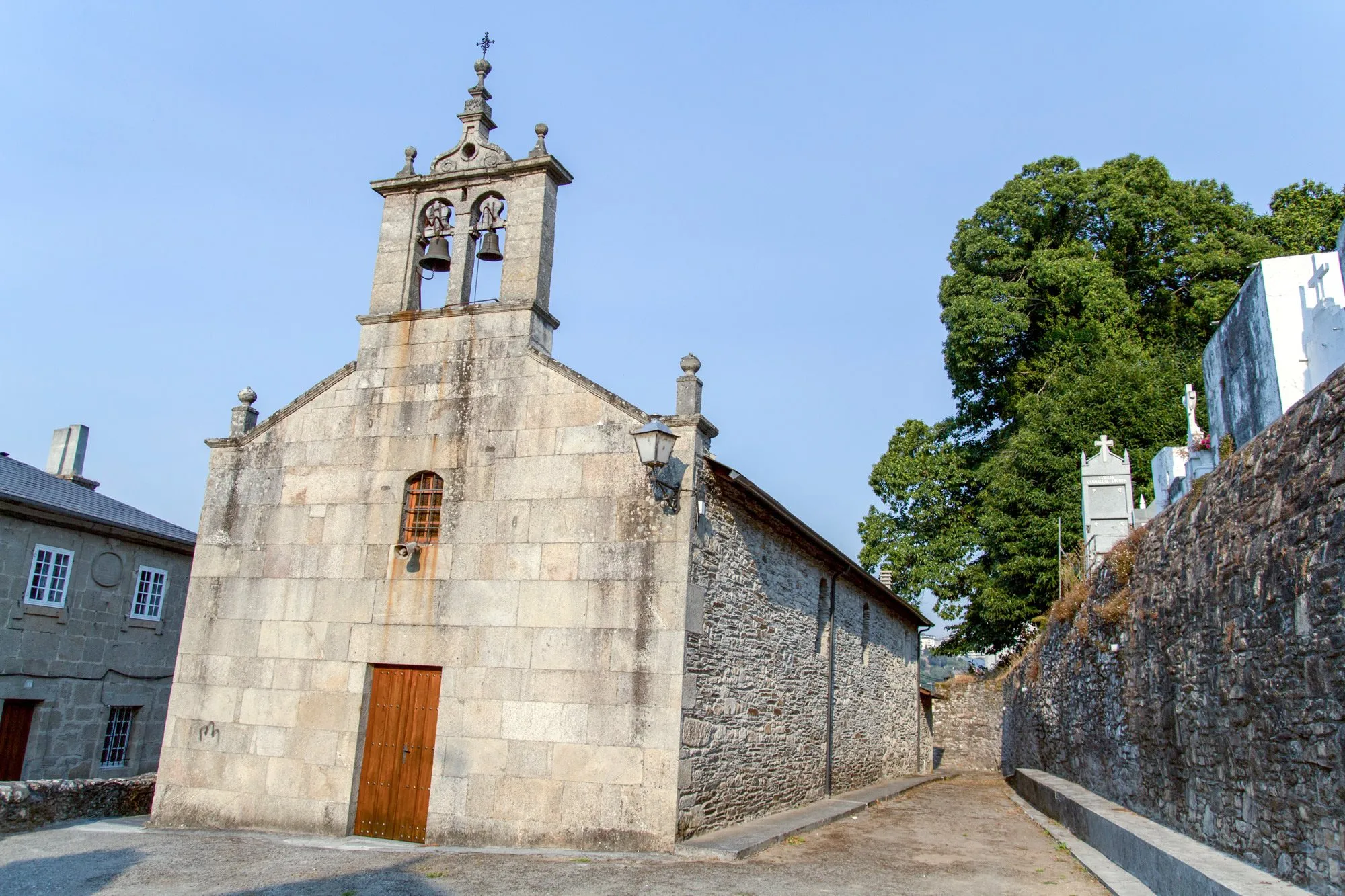
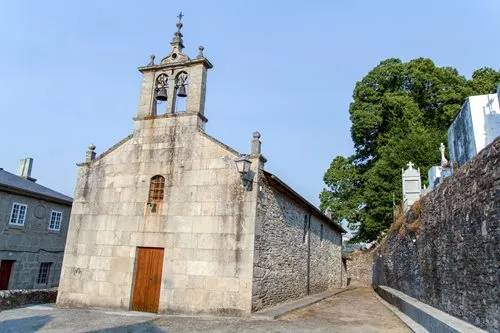
The neighbourhood of A Ponte is located on the right bank of the River Miño, behind the Roman bridge on the Primitive Way of pilgrimage to Santiago. The parish is that of San Lázaro, a dedication from which the former lazaretto or leper hospital had its...