Cookie settings
We use our own and third-party cookies in order to offer our services, display videos, obtain statistics and offer personalized advertising.
For more information, please read our cookies policy.
Spring is one of the best times of year to discover Spain with a traveller’s eye. The days are longer, the temperatures are pleasant, the light enhances the landscape and many destinations still retain a calm that disappears in summer. If you fancy a getaway where nature really takes centre stage, this route brings together seven very different ideas.
We’ll take you to volcanic coastlines, film‑set deserts, peaks with meltwater streams, marshes full of birds, peaceful dehesa landscapes, striking rock formations, Mediterranean wetlands and villages that invite you to slow down. Inspiration for choosing a trip this spring.
1. Almería: Cabo de Gata and the Tabernas Desert, the great contrast of the southeast
If you’re looking for a spring break that feels like two trips in one, Almería is a safe bet. In just a few kilometres you can go from a volcanic coastline of crystal‑clear coves and salt pans open to the horizon to a desert with dry riverbeds and cinematic backdrops. The big advantage of visiting at this time of year is the climate: the summer heat has not yet arrived, the colours look crisper and you’ll feel like exploring both the coast and the inland areas at a leisurely pace.
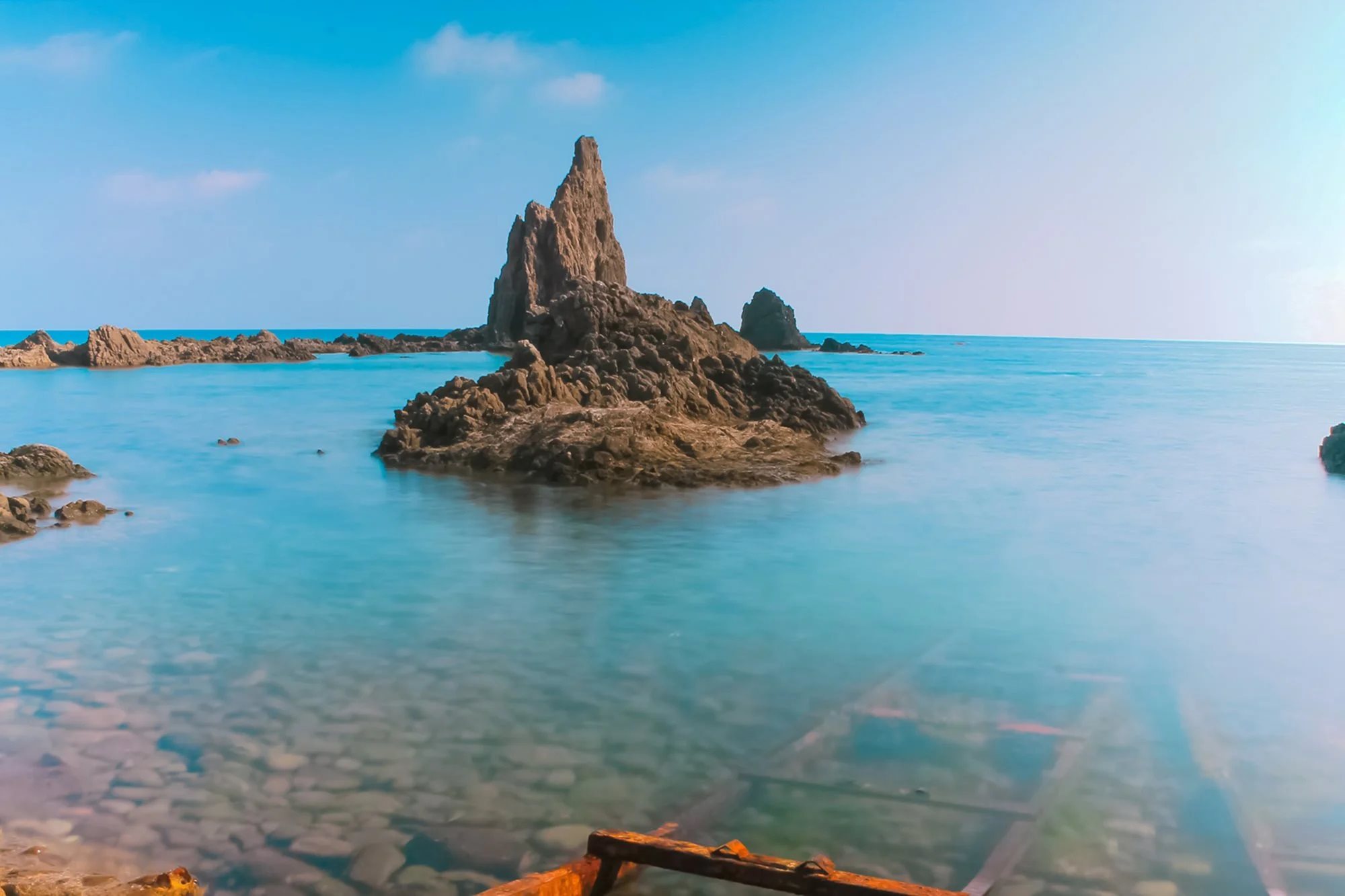
In Cabo de Gata, spring invites you to link viewpoints, beaches and small villages without the crowds of the high season. Places such as the Arrecife de las Sirenas, las Salinas, Mónsul and Los Genoveses show the purest side of the Andalusian Mediterranean. It’s a perfect destination for travellers who enjoy photographing the landscape, walking by the sea and stopping to contemplate the light. Very close by, the Tabernas Desert completely changes the feel of the trip: ravines, arid hills and an almost film‑like atmosphere turn any route into a different kind of experience.
The combination of volcanic coast and desert makes Almería one of the most original spring getaways in Spain. To make planning easier, you can rely on several activities that let you discover the area from very different perspectives.
Recommended activities: Guided excursion around Cabo de Gata from Almería; 4x4 tour through the Tabernas Desert; and Horse‑riding route in the Tabernas Desert.
2. Granada: Sierra Nevada and the Alpujarra, water, white villages and scenic trails
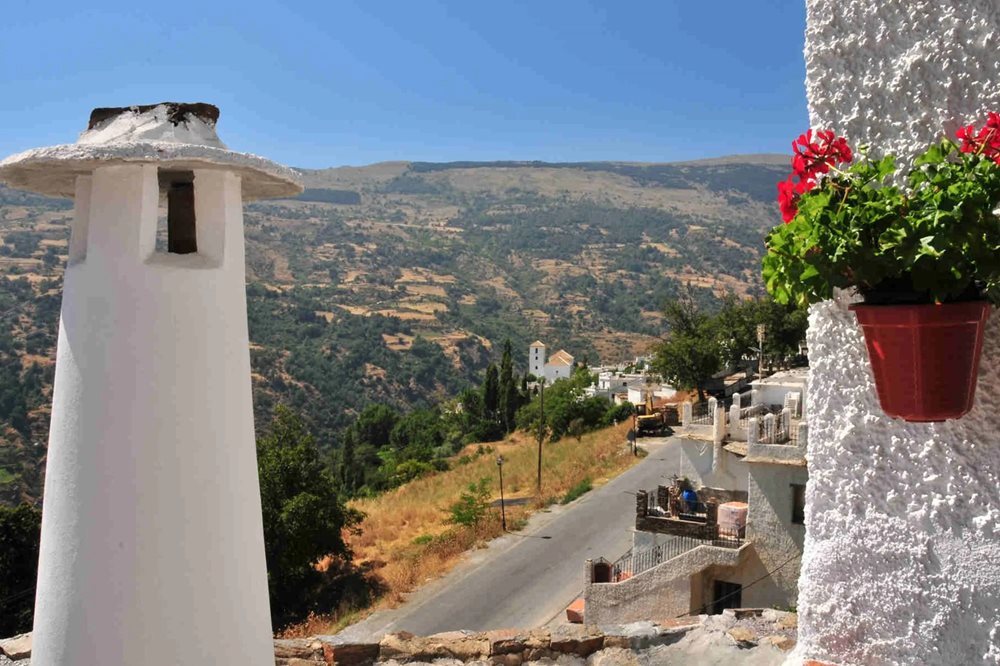
Few areas change as much with spring as Sierra Nevada and the Alpujarra in Granada. The snowmelt feeds streams and irrigation channels, the hillsides turn green again and the trails offer one of the best times of year for walking without the cold of winter or the intense heat of summer. For travellers who want mountains, fresh air and a genuine sense of escape, this is one of the great classics of southern Spain.
Sierra Nevada opens up a landscape of peaks, meadows and high‑altitude forests that is very different from other Spanish mountain ranges. Monachil and its surroundings are an excellent gateway for those looking for an active plan. Further south, the Alpujarra adds to the natural experience the charm of its terraced villages, traditional “tinaos”, smallholdings and the Poqueira Gorge, one of the most beautiful corners of the province of Granada. Pampaneira, Bubión and Capileira make up an ideal route for alternating viewpoints, hiking and leisurely stops with a local flavour.
This is a highly recommended option for couples, active travellers and anyone who prefers a destination where the landscape and an unhurried pace go hand in hand. If you’d like to organise your break with experiences already arranged, there are very useful options for getting to know both the high mountains and the villages of the region.
Recommended activities: Guided excursion to Sierra Nevada from Granada; Alpine adventure in Monachil and Sierra Nevada; Tour through the heart of the Alpujarra from Granada; and guided hike through the Poqueira Valley and Gorge, with a private group option for families or groups of friends.
3. Sierra de Andújar Nature Park: the realm of the Iberian lynx
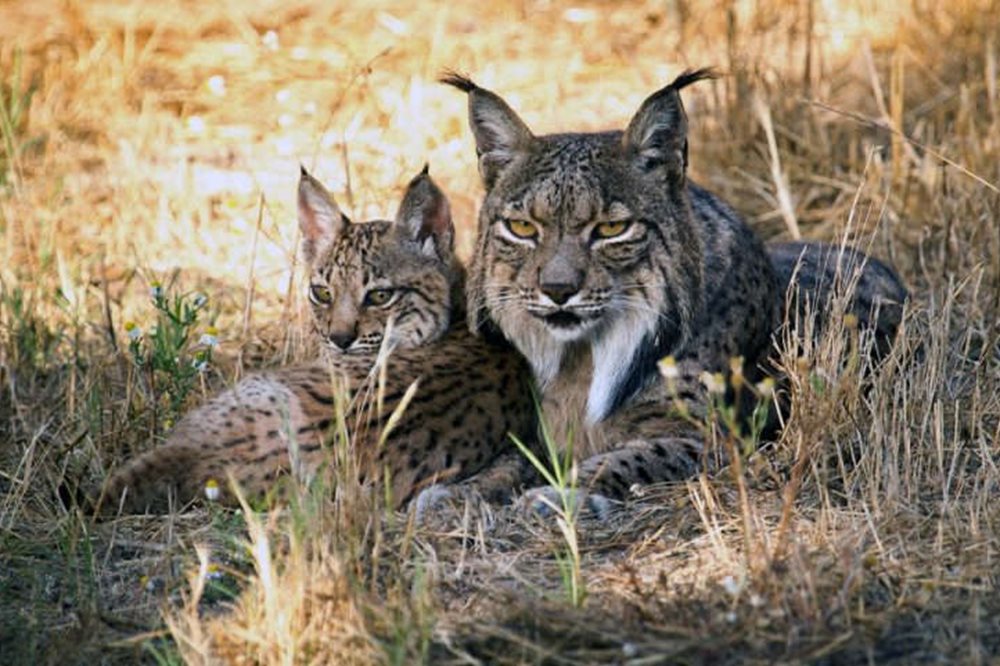
The Sierra de Andújar is one of those destinations that turn a spring getaway into a truly special experience. This natural area combines Mediterranean scrub, dehesa pastureland, streams and gentle hills covered with holm oaks and cork oaks, creating a serene, subtly varied landscape. For travellers seeking authentic nature, silence and quiet excitement, few places are as appealing as this corner of Jaén.
What really makes the Sierra de Andújar unique is the chance to venture into one of the best areas in the peninsula for spotting the Iberian lynx. Spring is a particularly attractive time to explore this environment, not only because of the beauty of the landscape, but also thanks to the vitality of the countryside in these months. Beyond sightings, the trip invites you to embrace the unhurried rhythm of ecotourism, patient observation and that feeling of being in a privileged territory for Iberian wildlife. It’s a perfect destination for travellers interested in nature, photography and experiences that leave a lasting impression.
If you’d like to discover this environment with the right guidance and make the most of the experience, it’s well worth opting for a guided tour that helps you understand the habitat, interpret the landscape and enjoy wildlife watching in greater depth.
Recommended activities: Private Iberian lynx‑watching tour in the Sierra de Andújar.
4. Doñana National Park: marshes, dunes and one of Europe’s great natural treasures
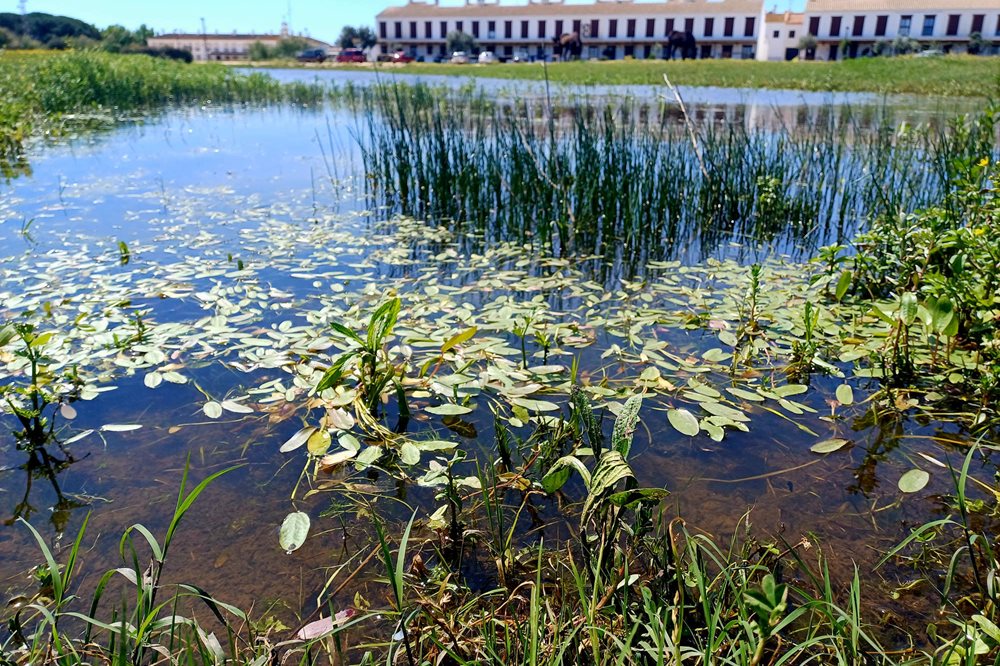
Doñana is one of those places that every nature‑loving traveller should visit at least once. In spring, the marshes are full of life, the constant movement of birds turns the landscape into a continuous spectacle and the combination of water, pine forests, scrubland and shifting dunes creates an exceptional diversity. It’s a particularly attractive destination for those who enjoy wildlife watching, roaming wide‑open spaces and feeling that every stretch of the route brings a change of scenery.
The best way to understand Doñana is to accept that it’s unlike any other natural area in Spain. The appeal here doesn’t lie in a single viewpoint, but in the whole ensemble: the light over the marshes, the sand sculpted by the wind, the riverside woodland and the chance of encountering deer, birds and other park residents on one and the same outing. What’s more, its proximity to Seville and Huelva means you can easily turn your visit into a comfortable day trip or a weekend break.
For travellers looking for a complete experience, it’s a good idea to book in advance a guided activity that helps you interpret the park or explore it from a different angle.
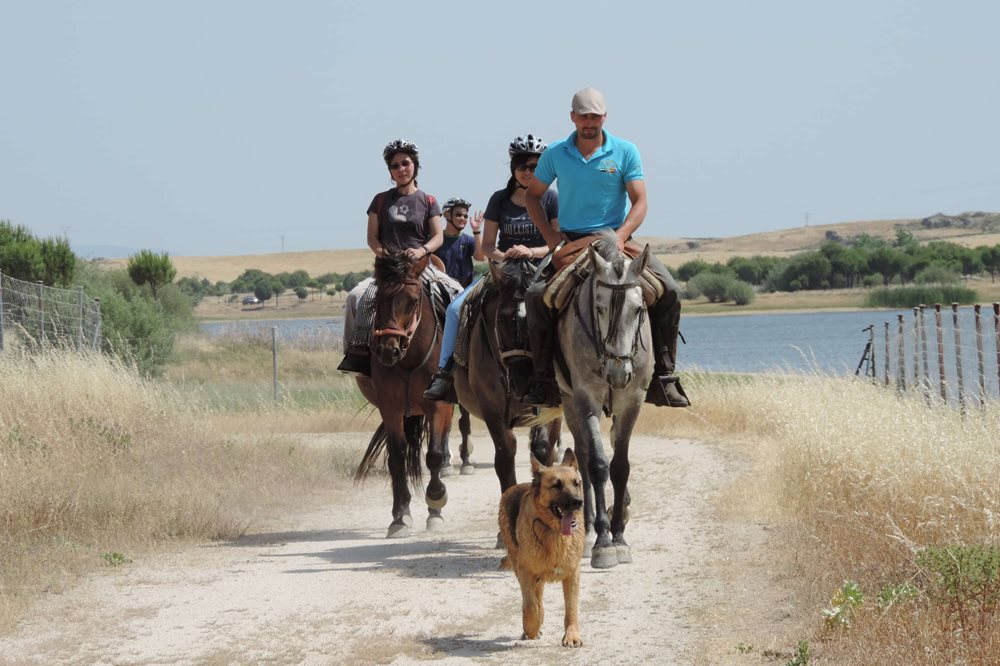
Recommended activities: Guided excursion to Doñana National Park from Seville; and Horse‑riding in Doñana among beaches, dunes and protected woodland.
5. Cáceres and its natural surroundings: dehesa pastureland, birdlife and relaxing trips for unhurried travel
Cáceres is one of the best choices for anyone who sees nature as a serene experience. Here, the appeal lies not in dramatic scenery but in the balance between dehesa landscapes, rural paths, wildlife, gastronomy and small detours that are well worth the time. Spring is especially rewarding: the countryside is at its best, temperatures are pleasant and the trip lends itself to combining birdwatching, gentle walks and stops focused on local produce.
The countryside around Cáceres is very appealing for travellers who want to slow down. The dehesas offer a better understanding of the landscapes of western Spain and provide an ideal setting for outdoor activities that don’t require long journeys. Added to this is the chance to round off your break with experiences related to Iberian ham, Torta del Casar cheese or visits to villages with their own character, such as Garrovillas de Alconétar. It’s a very versatile destination: it works just as well for a food‑focused escape as it does for a trip centred on wildlife or rural tourism.
If you want to make the most of your stay, you can combine very different activities and create a tailor‑made break, from nature experiences to local gastronomy.
Recommended activities: 4x4 tour through the dehesa around Cáceres; Ham tour with free‑range pigs; visit with tasting at a Torta del Casar dairy near Cáceres; Horse‑riding excursion through the countryside around Cáceres and Birdwatching in the natural surroundings of Cáceres.
6. Cuenca: the Ciudad Encantada and karst landscapes that surprise on any getaway
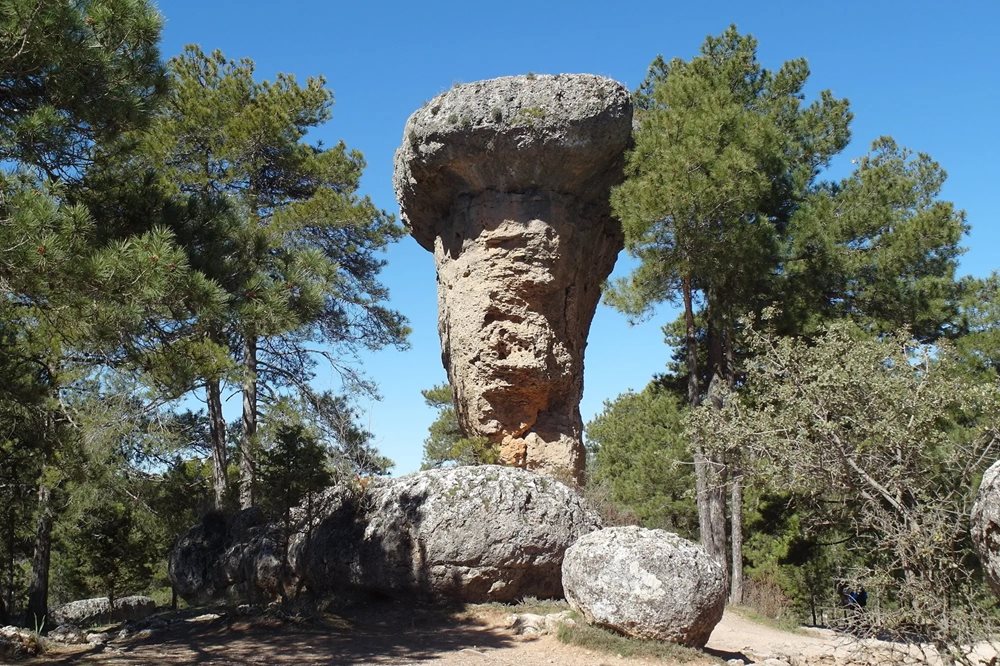
Cuenca is one of those provinces that surprise travellers looking for nature with a strong personality. Beyond the appeal of the historic city, its surroundings offer rock formations, pine forests and natural landmarks that turn a spring break into a very complete plan. The Ciudad Encantada (Enchanted City) is the area’s great icon and still amazes visitors with the way wind and water have sculpted the limestone over centuries, creating whimsical shapes and almost unreal settings.
The visit is perfect for those who want a destination that’s easy to explore, visually striking and compatible with other plans in the province. Cuenca also lets you go one step further with lesser‑known spots such as the Torcas de los Palancares and the Lagunas de Cañada del Hoyo, two areas that add depth to your getaway and show another side to the landscape of Cuenca. In spring, the combination of forest, rock and water makes the route particularly enjoyable.
To plan your route around specific activities, you can round off your break with guided tours that help you get more out of both the Ciudad Encantada and other natural sites in the province.
Recommended activities: Walking tour of the Ciudad Encantada from Cuenca; and Route through the Torcas de los Palancares and the Lagunas de Cañada del Hoyo.
7. Ebro Delta: water, rice fields and a spring full of birdlife and open horizons
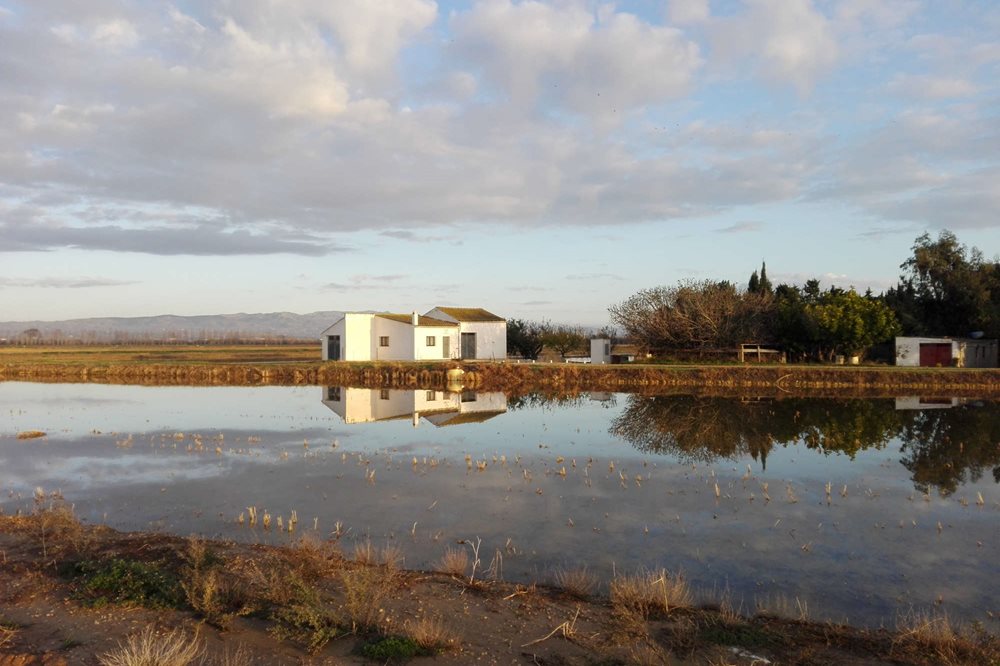
The Ebro Delta is one of the great nature getaways on Spain’s Mediterranean coast and in spring it shows one of its most beautiful faces. The rice fields begin to flood, the light reflects on the sheets of water and the landscape takes on a very special calm that invites you to slow down and look closely. It’s an ideal destination for travellers who value wide‑open spaces, birdwatching, gentle routes and that feeling of being in a place poised between river and sea.
Beyond its fame, the Delta captivates visitors with its variety. There are the long, almost endless beaches, the lagoons, bird hides, flat paths that are easy to follow and the chance to see flamingos and other birds in an environment of great ecological richness. Places such as Punta de la Banya, la Tancada, Migjorn and the Casa de Fusta help explain why this wetland is one of the most distinctive landscapes in north‑eastern Spain.
If you’d prefer to discover it with expert interpretation and context, it’s worth joining a guided activity that helps you “read” the landscape and its biodiversity in more depth.
Recommended activities: Guided tour of the Ebro Delta with a focus on nature and biodiversity.
Different destinations, same spirit
If you’d like to treat yourself to a spring break this year, these seven destinations offer very different ways to enjoy nature in Spain. Almería surprises with the contrast between sea and desert; Granada combines high mountains and charming villages; the Sierra de Andújar adds the unique thrill of entering the realm of the Iberian lynx; Doñana invites you to explore one of Europe’s great wildlife sanctuaries; Cáceres offers dehesa landscapes, gastronomy and unhurried tourism; Cuenca adds unique rocky landscapes; and the Ebro Delta dazzles with its water and birdlife.
The choice depends on the kind of traveller you are, but they all have one thing in common: in spring, they’re at their very best.