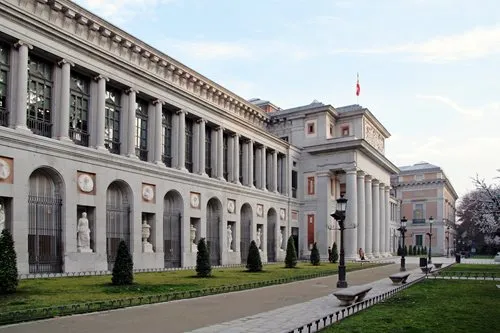
The Prado Museum is considered as one of the most important art galleries in the world.
It is a museum of Spanish art from the XX Century. It has headquarters in the old San Carlos Hospital built by Francisco Sabatini, and recently enlarged by the architect Jean Nouvel. It was inaugurated the 10th September 1992 by their Majesties the King...
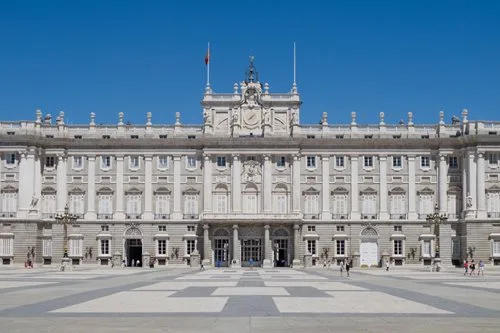
This Palace is a solemn and monumental building whose immense architectonical beauty is enhanced by the gardens that surround it. It is located in Madrid City Centre.
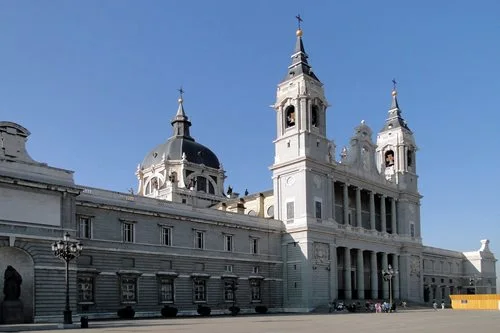
This Cathedral is placed in Madrid city centre, in front of the Royal Palace. The temple joins different styles, such as Neoclassic, Neogothic, Neoromanesque. It was consecrated by the Pope John Paul II, during his fourth visit to Spain, the 15th June...
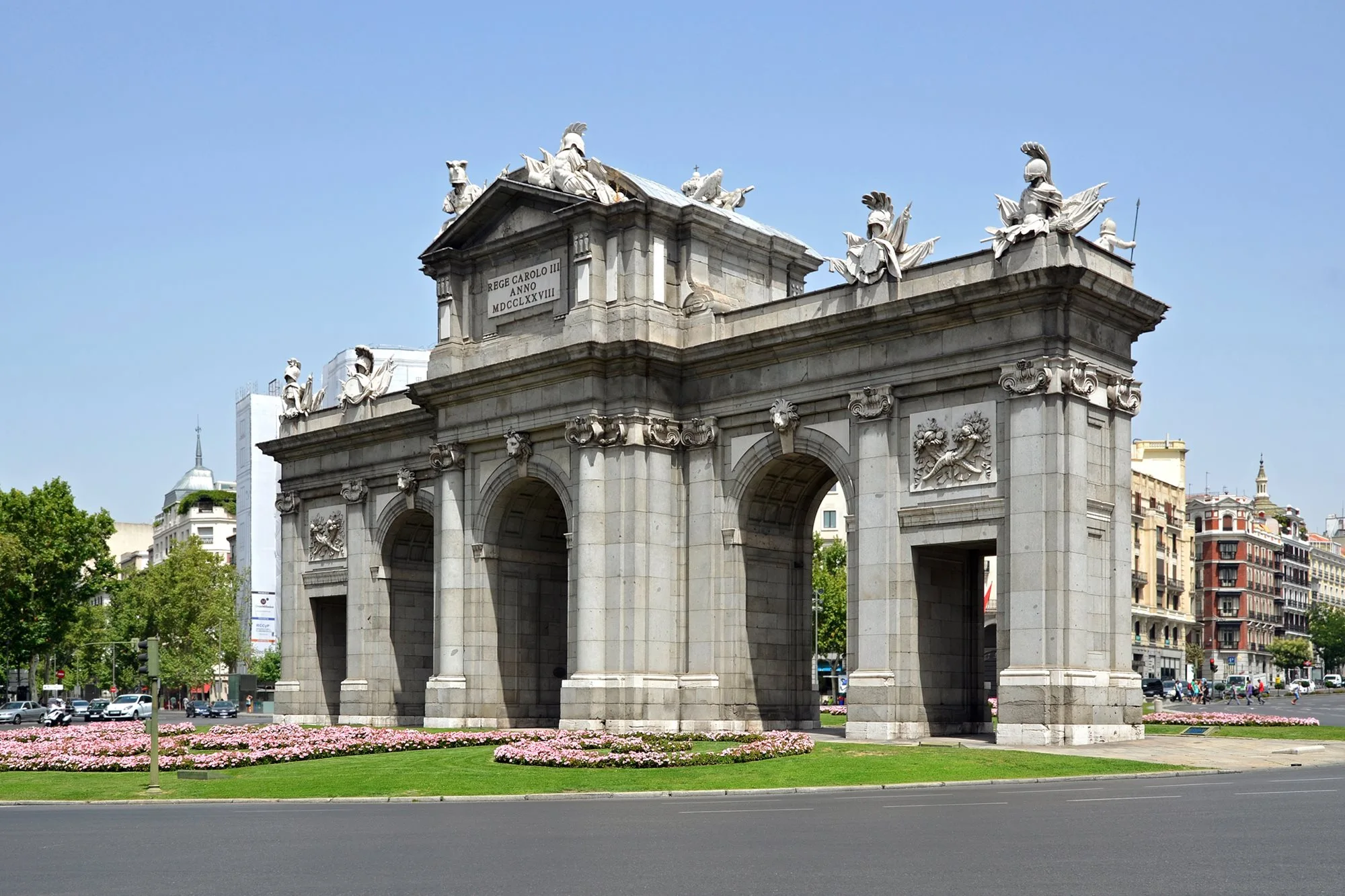
It is one of the most emblematic monuments of Madrid.
The Parque del Buen Retiro (Park of the Pleasant Retreat) is located in the heart of the city of Madrid. It has an area of 118 hectares. It was originally a Normandy style castle that the King Felipe II built to his wife, María de Inglaterra.
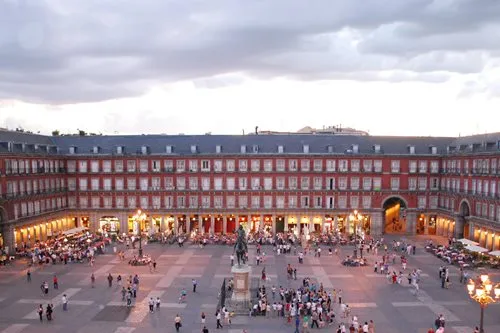
The Plaza Mayor of Madrid is located in the city-centre, only a few metres away from the square of the Puerta del Sol and the Plaza de la Villa. In the past it has been scenario of numerous public evenements, bullfights, processions, local parties, theatre...
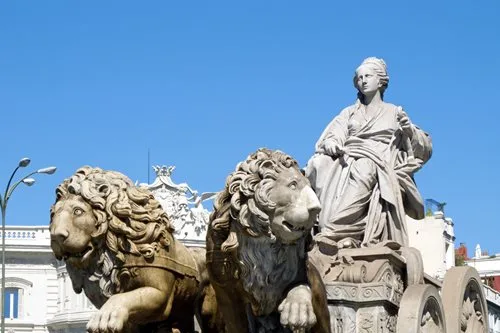
This project was carried out by Ventura Rodríguez, under Carlos III´ s reign. The fountain is made of marble and represents the goddess Cibeles, symbol of earth, agriculture and fecundity, by Francisco Gutierrez. The goddess is represented over a cart...
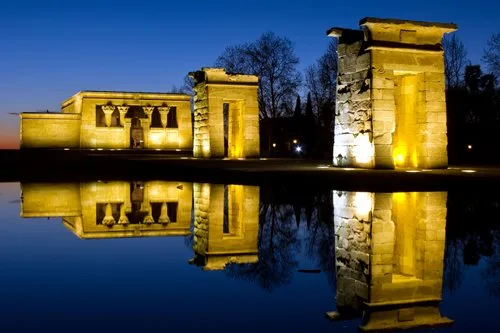
It is one of the most peculiar monuments of Madrid. During centuries, this temple stood in Southern Egypt near the 1st cataract of the River Nile and the great religious centre dedicated to the goodness Isis, in Philae. This building comes from the II...
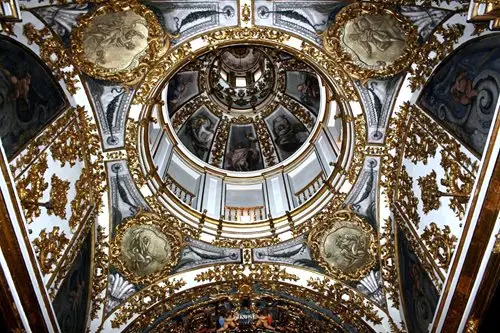
It was built by María de Austria, Empress of Austria. It is the most monumental church of Baroque style in Madrid. It is the old imperial school of the Society of Jesus. Its architecture follows the model of the Church of the Gesú in Rome, the Jesuit...
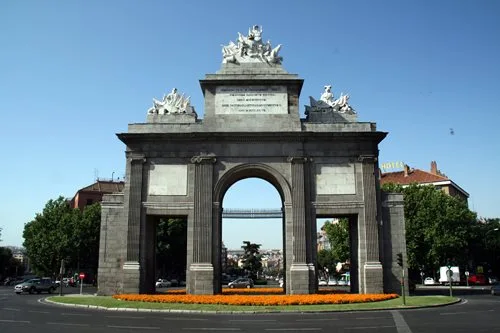
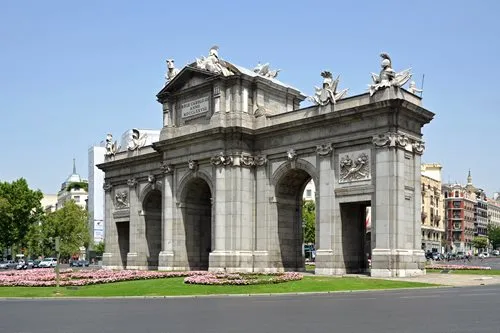
This 19 meters high gate is built with granite. It consists of a central round arch and two doors with lintels that were built during José Bonaparte´ s reign, when its construction was ordered with the aim of tiding up the entrance to Madrid through the...
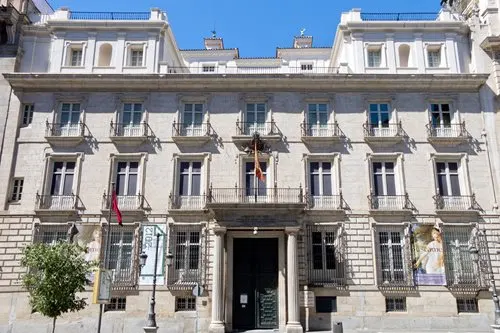
It was built during Felipe V´ s reign, but it receives this name because of its direct dependence on the rules established by the King Fernando VI (Felipe V´ successor). Firstly, its head office was in the Casa de la Panadería. In 1774 it was moved to...
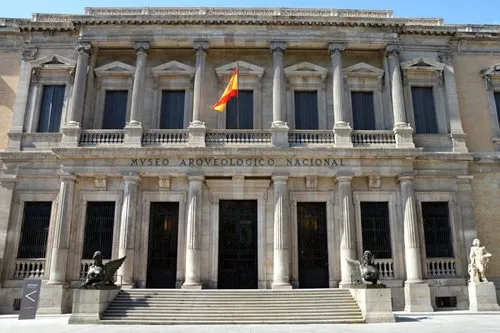
The Museum was founded in 1867 by Royal Decree of Isabel II. Visitors make a tour around the Iberian Peninsula which takes from the Prehistory to the XIX Century. Among its collections we should highlight: Egypt and Greece, numismatics collections and...
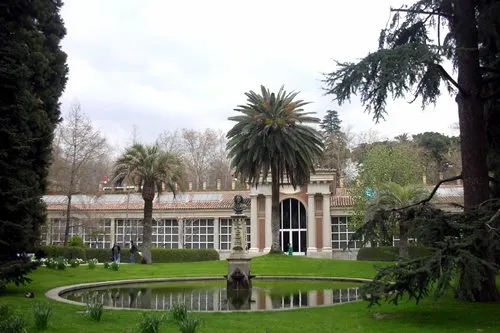
Fernando VI ordered the creation of this royal garden. Due to the continuous enlargement of the garden, Carlos II ordered, in 1774, to move it to its current location in the Paseo del Prado in Madrid, inside the program of ordinations of the Salón del...
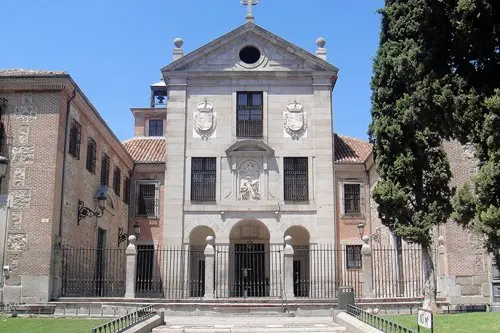
The convent was founded in 1611 by Felipe III and Margarita de Austria, for the ecclesiastic order of the Agustinas de Recoletas, following the tradition, between the monarchy and the Spanish nobility, of sponsoring religious buildings. The church has...
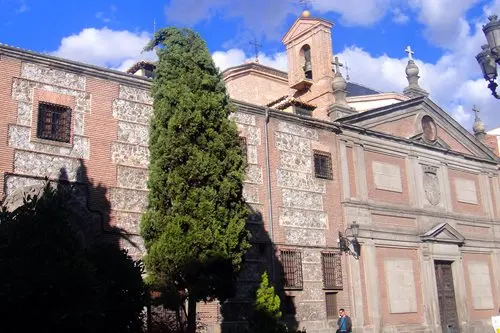
This convent was founded in 1599 by Juana de Austria, Princess of Castile and Portugal. It comes from 1557, when Doña Juana, who that year had just arrived from Portugal after his husband´ s death, Prince Juan, decided to found a convent of the Catholic...
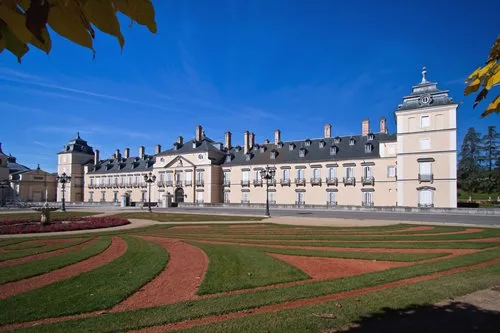
The Royal Palace of El Pardo is one of the residences owned by the Spanish royal family. Nowadays, it hosts foreign heads of state during their official visits to Spain.
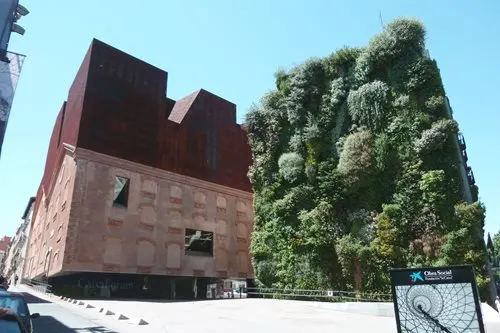
The cultural centre CaixaForum Madrid is a space designed for the dissemination of art and culture. It occupies the building of the former Central Eléctrica del Mediodía.
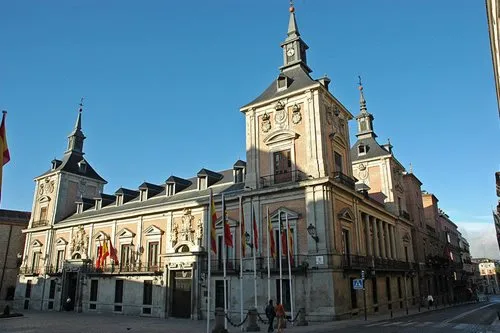
The Casa de la Villa was the seat of the old Town Hall of Madrid from the 17th century until 2008. The building is located in the Plaza de la Villa, one of the main squares during the medieval era of Madrid.
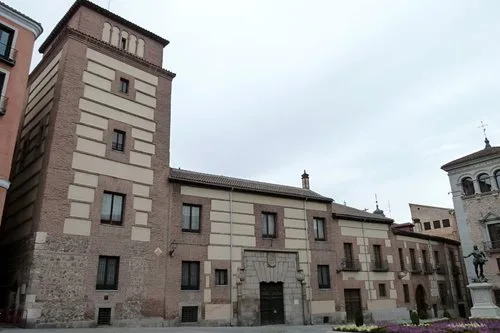
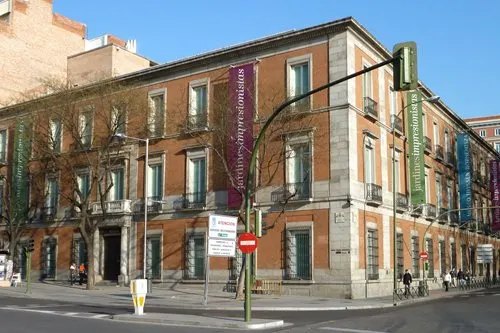
This architectural ensemble, comprising a stately home and a robust tower, dates back to the 15th century and is of Mudejar style. It is currently the headquarters of the Royal Economic Society of Friends of the Country in Madrid.
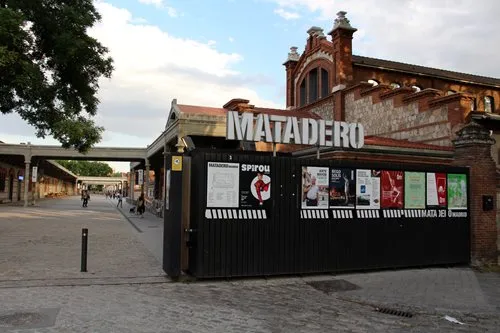
Matadero Madrid is a centre for contemporary creation, a cultural space open to social participation that dedicates its facilities to temporary exhibitions, design and theatrical activities.
The museum dedicated to the brilliant painter Joaquín Sorolla is located in what was his residence and also his workshop in Madrid.
The Museo Nacional Thyssen-Bornemisza is an art gallery that houses the most valuable works from the private collection of the Thyssen-Bornemisza family.
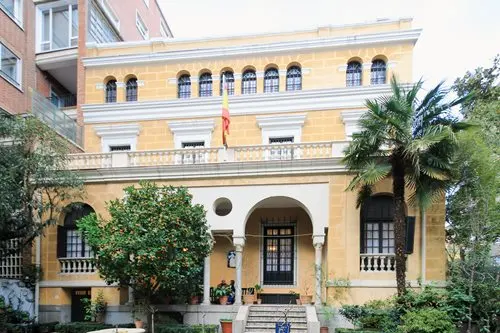
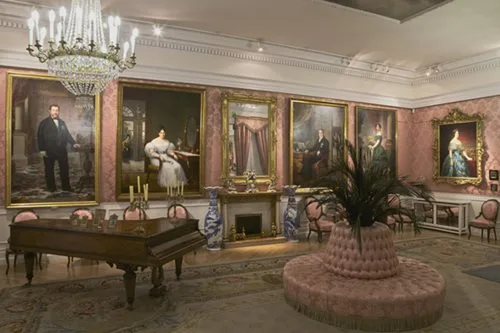
The Museum of Romanticism corresponds to the house-museum typology and preserves an important collection of historical and artistic objects related to daily life and customs of the 19th century.
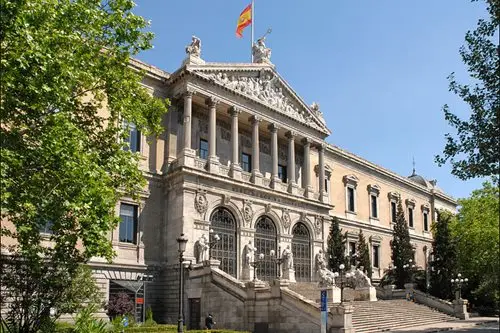
The National Library is the institution responsible for the deposit of Spain's bibliographic and documentary heritage. It houses around thirty million publications produced within national territory.
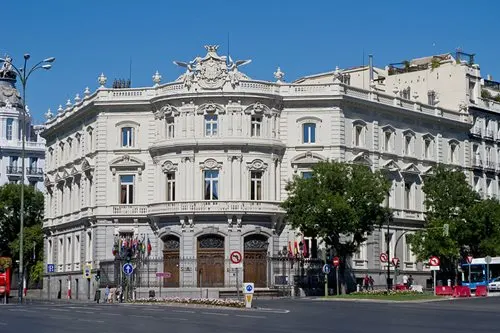
The Palacio de Linares is a 19th-century building of great beauty. It was declared a historical-artistic monument in 1976. Since 1922, it has housed the Casa de América.
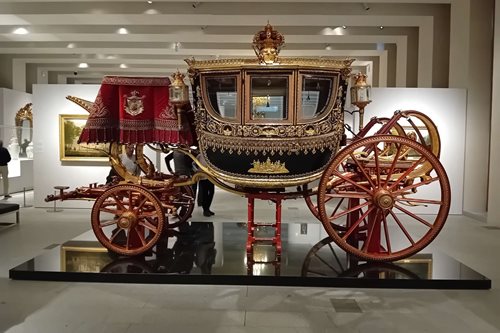
The Royal Collections Gallery houses an incredible artistic collection that has been amassed by the different dynasties of Spanish kings over the centuries.
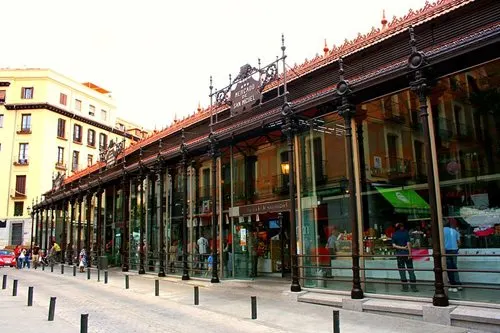
San Miguel Market is located in the historic centre of Madrid. It dates back to the Middle Ages and is currently considered one of the main gastronomic temples of the city.
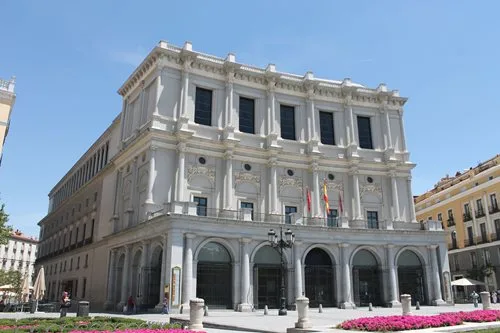
The Royal Theatre of Madrid is declared a Site of Cultural Interest. It is one of the main opera theatres in Europe, hosting numerous high-level artistic performances.